
Ingredients
The cowpeas
- 500 gdried cowpeas
- nyemba, soaked overnight
- or fresh green cowpeas
- if in season
- water, to cook
The seasoning
- 2onions, chopped
- 3 tablespoonspeanut butter
- or ground roasted peanuts
- optional
- 2tomatoes, chopped
- optional
- 3 tablespoonsoil
- salt
The equipment
- a heavy pot
- a wooden pounding stick
- or a potato masher
To serve
- sadza
- eaten with the right hand
- as the relish
Directions
- Pound it all by hand in the pot instead. Dried cowpeas must be soaked first. Cover the dried cowpeas with water. Cover them by several centimetres. Leave them overnight if you can. Refrigerate them if the weather is warm.
- Warm soaking water ferments readily. The refrigerator prevents both entirely. Drain and rinse the soaked peas. Discard all of the soaking water. Cover the peas with fresh water. Bring them up to a steady simmer. Use plenty of fresh cold water. Add more water as it cooks down. Do not let the peas ever boil dry.
- Salt slows their softening considerably. Season only once they are soft. Cooking them takes about an hour. Simmer them for about one full hour. Soaked cowpeas take about that long. Skim any foam from the surface. Foam rises in the first half hour. Lift it off with a large spoon. Judging them takes a squeeze test.
- Squeeze a pea between finger and thumb. It should crush with no resistance. Keep some cooking liquid in the pot. Drain off only the real excess. Pound the peas directly in the pot.
- Work the pounder firmly up and down. It takes real effort and time. Heat the oil in a wide frying pan. Add all the chopped onion to it. Cook it for about twelve minutes. It should soften and turn golden. Add the chopped tomato to the pan. Cook it down for five minutes. Some versions use it and some do not.
- Stir the onion mixture into the mash. Add the onion with all of its oil. Stir it right through the mash. Work it in through it thoroughly. Stir the peanut butter into the mash. Loosen it with a little hot liquid first. Work it right through the mixture. Simmer the whole thing for ten minutes.
- Stir it often so it does not catch. A thick mash burns easily on the bottom. Stir it constantly at this stage. Use a genuinely low heat throughout. Taste it and add the salt now. Taste it before adding much of it. Add it gradually and taste again. Judging it takes a careful look.
- Add hot water if it is too stiff. Cook it down if it is too loose. Serving it is always done hot. Serve it alongside a lump of sadza. Sadza is the thick maize porridge.
Technique
- Do not salt the cowpeas while they cook, since salt slows their softening considerably and can toughen the skins — season only once they are soft, at the very end. They must be genuinely soft enough to crush between finger and thumb with no resistance before pounding, or they will not mash at all.
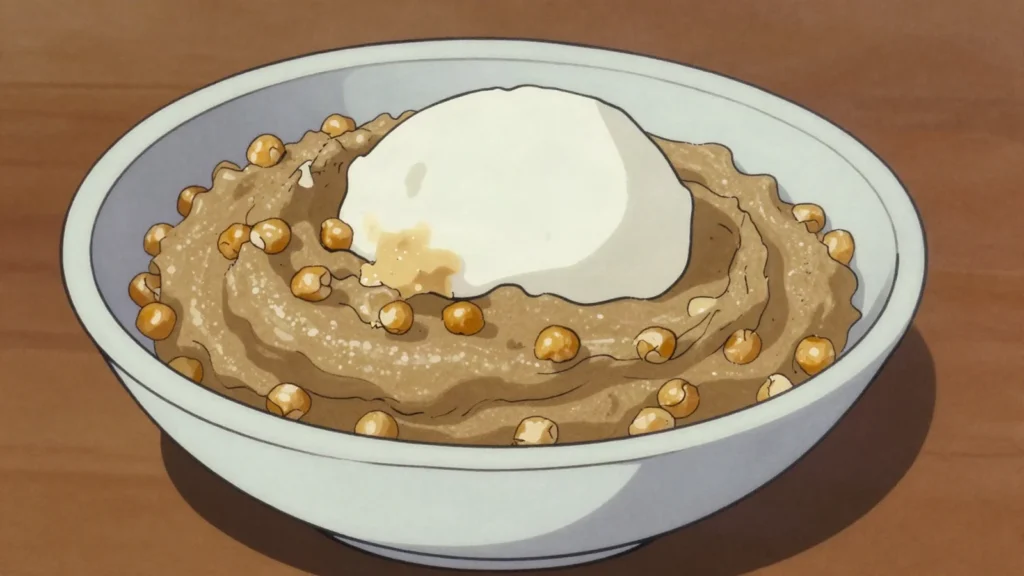
- Pound them by hand in the pot rather than blending: a blender makes it entirely too smooth and loses the characteristic texture, turning a mash into a purée. It should stay thick and coarse with some whole peas still visible, which takes several minutes of real effort.
- Once the mash is combined it catches and burns on the base very readily — keep the heat low, stir constantly and scrape the bottom through the last ten minutes.
Substitutions
- Fresh green cowpeas need no soaking and cook in half the time, and harvest is when the dish is traditionally made; any cowpea variety works, the black-eyed pea being the widely available form.
- Peanut butter stirred in enriches the dish and adds protein, loosened with a little hot liquid first so it does not sit in lumps. It becomes entirely invisible in the mash and peanut allergy can be severe — say clearly if you have used it.
Variations
- Discard the soaking water rather than cooking in it, since it carries compounds that cause wind, and skim the foam that rises in the first half hour for the same reason. Soak them in the refrigerator in warm weather, since warm soaking water ferments and grows bacteria.
- Cowpeas are an African native legume called nyemba in Shona, drought tolerant, high in protein and nitrogen-fixing — a genuinely valuable crop that grows where others struggle.
- A Zimbabwean meal pairs sadza with a relish, where relish means the accompanying dish rather than a condiment. Meat is expensive and often occasional, so bean relishes like this fill that place and make a substantial meal on their own.
History
A Shona relish from Manicaland made when the cowpea harvest comes in, eaten with sadza in place of meat.
Frequently asked questions
What is Rupiza?
Rupiza is a soup & stew from Zimbabwe: cowpeas pounded and simmered to a thick savoury mash. A Shona relish from Manicaland made when the cowpea harvest comes in, eaten with sadza in place of meat.
How long does Rupiza take to make?
Rupiza takes 20 minutes plus soaking of preparation and 1 hour 30 minutes of cooking. The recipe makes serves 6. It is rated medium to make.
What can I substitute in Rupiza?
Yes, within limits. Fresh green cowpeas need no soaking and cook in half the time, and harvest is when the dish is traditionally made; any cowpea variety works, the black-eyed pea being the widely available form. Peanut butter stirred in enriches the dish and adds protein, loosened with a little hot liquid first so it does not sit in lumps. It becomes entirely invisible in the mash and peanut allergy can be severe — say clearly if you have used it.
What is the most important thing to get right in Rupiza?
Pound it all by hand in the pot instead. Dried cowpeas must be soaked first. Cover the dried cowpeas with water. Cover them by several centimetres. Leave them overnight if you can. Refrigerate them if the weather is warm.