
A clear village rice spirit distilled in the Mekong delta and sold in reused bottles. It is named for the tall đế grass where distillers hid their stills from French colonial excise officers, who taxed and monopolised alcohol.
Unlicensed distilling is illegal in Vietnam and almost everywhere else, and a village still without a proper cut leaves methanol in the cup.
What goes into it
- rice
- men — a starter cake of moulds and yeasts
- water
How it is made
Cooked rice is mixed with a crushed starter cake and left to ferment for about a week, then distilled in a simple still, often over a wood fire. It is bottled clear and unaged, and the strength varies from producer to producer.
How long it takes: about a week to ferment, then a day to distil
How it is eaten
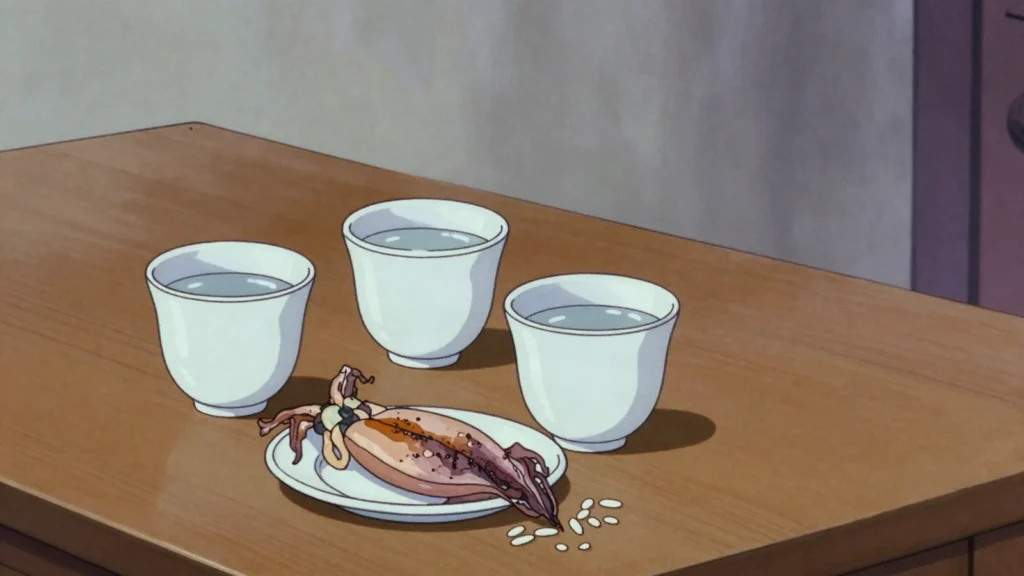
Neat in small cups at meals and gatherings, poured for everyone at once.
History
Named for the tall de grass where distillers hid their stills from French colonial excise officers who taxed and monopolised alcohol.
Frequently asked questions
What is Ruou De?
Ruou De is a wine & spirit from Vietnam: clear village rice spirit distilled in the Mekong delta, sold in reused bottles. Named for the tall de grass where distillers hid their stills from French colonial excise officers who taxed and monopolised alcohol.
How is Ruou De made?
Cooked rice is mixed with a crushed starter cake and left to ferment for about a week, then distilled in a simple still, often over a wood fire. It is bottled clear and unaged, and the strength varies from producer to producer. It takes about a week to ferment, then a day to distil.
Can I make Ruou De at home?
No, and the atlas gives no method for it. Unlicensed distilling is illegal in Vietnam and almost everywhere else, and a village still without a proper cut leaves methanol in the cup.
What goes into Ruou De?
Rice, men — a starter cake of moulds and yeasts, water.
How is Ruou De eaten?
Neat in small cups at meals and gatherings, poured for everyone at once.