
Crushed freshwater fish salted and fermented for months into a grey, powerfully pungent paste — the seasoning that underpins Cambodian cooking the way fish sauce does elsewhere. It is made when the Tonlé Sap flood recedes and fish are trapped in vast numbers, and the annual pounding of prahok is a national seasonal event.
A long low-acid ferment of raw fish sealed at ambient temperature is precisely the environment Clostridium botulinum grows in, and the salt ratio that prevents it is measured against fish weight, not judged by taste.
What goes into it
- small freshwater fish, usually mud carp or gourami
- coarse salt, at roughly a quarter the weight of fish
- sun
How it is made
The fish are gutted, scaled and trodden or pounded in baskets, then left in the sun for a day to begin breaking down. They are packed into earthenware jars with a heavy proportion of salt, weighted, and sealed for months while enzymes and salt-tolerant bacteria reduce the flesh to a soft grey paste. The salt-to-fish ratio is fixed by long practice and is the only thing standing between the jar and spoilage.
How long it takes: three months at minimum, often a year or more
How it is eaten
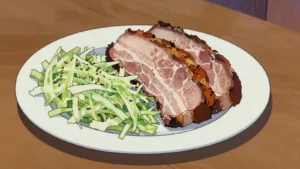
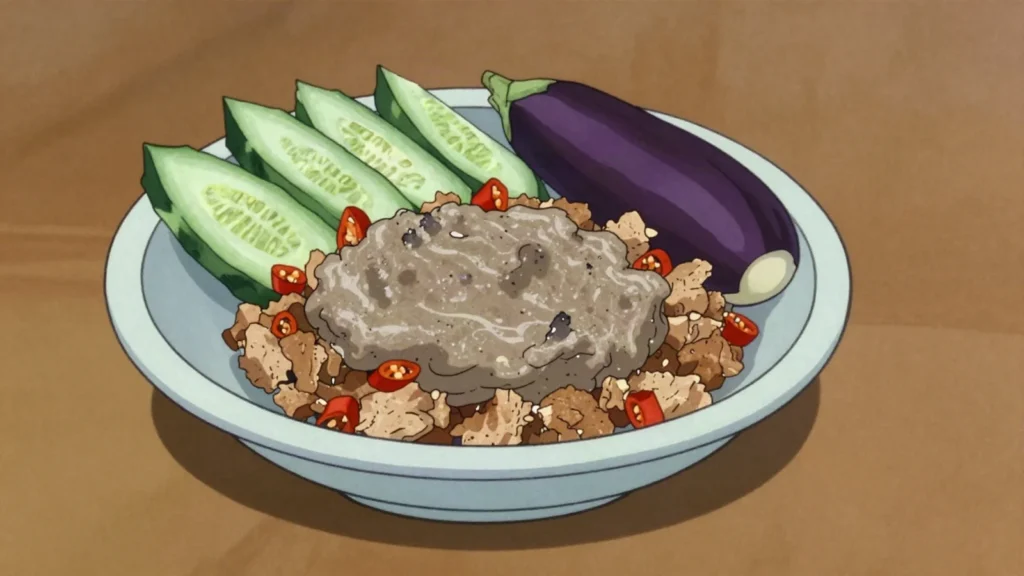
Fried with pork and chilli as prahok ktis, pounded into dips, or a spoonful stirred into soups and stir-fries.
History
Made after the Tonle Sap flood recedes and fish are trapped in vast numbers; the annual pounding of prahok is a national seasonal event.
Frequently asked questions
What is Prahok?
Prahok is a fermented & pickled from Cambodia: crushed freshwater fish salted and fermented for months into grey pungent paste. Made after the Tonle Sap flood recedes and fish are trapped in vast numbers; the annual pounding of prahok is a national seasonal event.
How is Prahok made?
The fish are gutted, scaled and trodden or pounded in baskets, then left in the sun for a day to begin breaking down. They are packed into earthenware jars with a heavy proportion of salt, weighted, and sealed for months while enzymes and salt-tolerant bacteria reduce the flesh to a soft grey paste. The salt-to-fish ratio is fixed by long practice and is the only thing standing between the jar and spoilage. It takes three months at minimum, often a year or more.
Can I make Prahok at home?
No, and the atlas gives no method for it. A long low-acid ferment of raw fish sealed at ambient temperature is precisely the environment Clostridium botulinum grows in, and the salt ratio that prevents it is measured against fish weight, not judged by taste.
What goes into Prahok?
Small freshwater fish, usually mud carp or gourami, coarse salt, at roughly a quarter the weight of fish, sun.
How is Prahok eaten?
Fried with pork and chilli as prahok ktis, pounded into dips, or a spoonful stirred into soups and stir-fries.