Ingredients
From the tree
- 1mature oil palm (Elaeis guineensis) or raffia palm, at least 10 years old
- 1clean calabash or a 5 litre plastic jerrycan, as the collecting vessel
- 1sharp tapping knife or chisel
- 1short length of bamboo or hollow reed, as the spout
- Palm-frond rope, for climbing
To serve
- 1clean gourd cup or a plastic tumbler per drinker
- A muslin or fine sieve, to strain out insects and fibre
Directions
- Cut into the top of the trunk just below the crown, or into the base of the male inflorescence, and pare a shallow channel. Fix the bamboo spout into the cut and hang the calabash or jerrycan under it, covering the mouth with a leaf to keep out insects, dust and debris.
- Leave it to run. A good palm gives 1 to 3 litres in a session and a tapper visits twice a day, at dawn and at dusk, refreshing the cut with a thin shaving each time so it does not seal over.
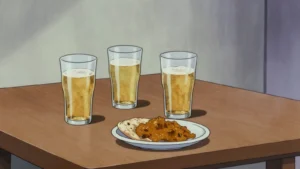
- Serve cool and cloudy, poured from the jerrycan into cups, shared at the poyo bar in the late afternoon.
- Shake or swirl before pouring, since the yeast settles.
Technique
- Poyo cannot be made without a palm. There is no honest home-brew version; the sap is the product. Everything a brewer would normally add is already present in the tree, which is why the drink is so perishable.
- It never stops fermenting and it will not keep. Refrigeration slows it but changes the flavour, and pasteurising it kills the character entirely; this is why bottled palm wine tastes nothing like the fresh drink.
- Hygiene is the real risk. The open collection vessel picks up insects, dust and whatever was in the container before, and contaminated jerrycans are the usual cause of illness. Insist on a strained draw from a clean vessel.
- Poyo bars are the social institution of Sierra Leonean village and roadside life, where a jerrycan is set on a table and shared through the afternoon, and the drink also has ceremonial roles in weddings and funerals.
Substitutions
- Cannot get fresh palm sap? Bottled palm wine from West African shops is the only realistic option abroad; chill it hard and drink it within a day of opening, and expect a flatter, sweeter drink.
- For a rough flavour analogue, a very young, cloudy, unfiltered wheat beer or a lightly fermented tepache gives the same milky, sweet-sour, faintly yeasty profile.
- Raffia palm sap gives a sweeter and more delicate wine than oil palm; where both are tapped, drinkers have strong preferences.
Variations
- Raffia palm poyo, lighter and sweeter, tapped in the swamp forests.
- Day-old sour poyo, drunk deliberately by those who like it sharp and stronger.
- Omole, the illicit spirit distilled from over-fermented palm wine.
History
A fresh, unfermented or lightly fermented palm wine, tapped directly from the oil palm or raffia palm, documented across Sierra Leone and the wider West African coastal region for many generations as a significant traditional beverage, reflecting the oil palm’s central importance to West African agriculture and daily life beyond its more commonly known role as a source of cooking oil. Tapping poyo requires a specific traditional skill, cutting into the palm’s flower stalk and collecting the sap that flows out over subsequent hours and days, a technique passed down within Sierra Leonean palm-tapping communities across generations. Poyo remains an important traditional drink across Sierra Leone, closely tied to social gatherings and rural community life specifically.
Frequently asked questions
What is Poyo?
Poyo is a wine & spirit from Sierra Leone: cloudy fresh palm wine from roadside tappers; the social drink. A fresh, unfermented or lightly fermented palm wine, tapped directly from the oil palm or raffia palm, documented across Sierra Leone and the wider West African coastal region for many generations as a significant traditional beverage, reflecting the oil palm’s central importance to West African agriculture and daily life beyond its more commonly known role as a source of cooking oil. Tapping poyo requires a specific traditional skill, cutting into the palm’s flower stalk and collecting the sap that flows out over subsequent hours and days, a technique passed down within Sierra Leonean palm-tapping communities across generations. Poyo remains an important traditional drink across Sierra Leone, closely tied to social gatherings and rural community life specifically.
How long does Poyo take to make?
Poyo takes 1 hr for the tapper of preparation and 2 hr to 3 days of natural fermentation of cooking. The recipe makes about 4 litres, tapped over one day. It is rated hard to make.
What can I substitute in Poyo?
Yes, within limits. Cannot get fresh palm sap? Bottled palm wine from West African shops is the only realistic option abroad; chill it hard and drink it within a day of opening, and expect a flatter, sweeter drink. For a rough flavour analogue, a very young, cloudy, unfiltered wheat beer or a lightly fermented tepache gives the same milky, sweet-sour, faintly yeasty profile. Raffia palm sap gives a sweeter and more delicate wine than oil palm; where both are tapped, drinkers have strong preferences.
What is the most important thing to get right in Poyo?
Poyo cannot be made without a palm. There is no honest home-brew version; the sap is the product. Everything a brewer would normally add is already present in the tree, which is why the drink is so perishable.