
Ingredients
Cheese
- 150 gmature farmhouse cheddar, in a wedge
- or Stilton, Cheshire or Lancashire
Bread
- a thick slice of crusty bread, or a granary roll
- good salted butter
Pickle
- 2 tbspBranston-style sweet pickle
- or piccalilli
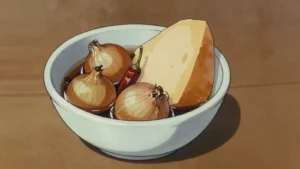
- 2pickled onions
Also
- 2 slicesham or a pork pie
- 1crisp apple, quartered
- a few salad leaves
- half a tomato
- celery sticks
To drink
- a pint of bitter or cider
Directions
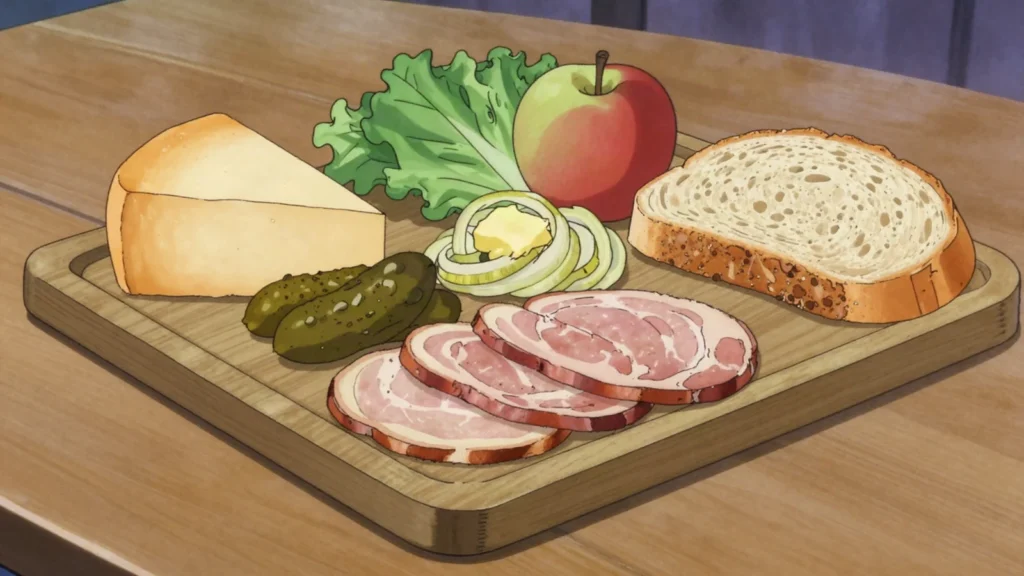
- Use a real farmhouse cheddar in a wedge rather than a block of mild supermarket cheese, and cut it thick. Take the cheese out of the fridge at least an hour before serving. Cold cheese tastes of almost nothing.
- Cut it in a generous wedge and leave the rind on. Use bread with a proper crust and a real crumb, cut thick, and butter it generously.
- Butter it properly and use salted butter, which is the British habit and the right one alongside cheese.
- Spoon the pickle into a small pot rather than onto the plate. Keeping the pickle in its own pot stops it soaking the bread and the salad, and it is how pubs serve it.
- Add a couple of pickled onions, whole. Quarter the apple and add it just before serving. Cut the apple at the last minute or it browns, and a rub with a little lemon holds it if you must do it early.
- Add a slice or two of ham, or a wedge of pork pie, which is a common addition. Add a few salad leaves, half a tomato and a couple of celery sticks.
- Arrange everything in separate piles rather than mixing them, because the point is to build each mouthful yourself. Serve with a pint of bitter or a dry cider.
Technique
- Regional versions swap in Stilton, Wensleydale, Cheshire or Lancashire.
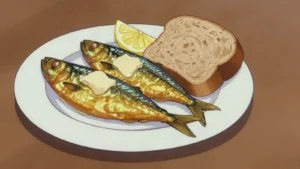
- A fisherman’s lunch swaps the cheese for smoked mackerel or prawns.
- The pork pie version is common in the Midlands and the north.
Substitutions
- Any strong hard cheese.
- Chutney or piccalilli in place of sweet pickle.
Variations
- With Stilton and a pear instead of apple.
- With a pork pie or a Scotch egg.
- A fisherman’s lunch, with smoked fish.
History
A cold meal combining cheese, bread, pickle, apple and often cold meat, arranged together on a single plate, documented across the United Kingdom, particularly associated with pub dining, its specific modern form and name generally credited to a mid-1900s marketing campaign by the British cheese industry designed to promote cheese sales within pubs, though the underlying combination of bread, cheese and pickle draws on a much older tradition of simple cold meals eaten by agricultural laborers in the field. Its deliberately simple, no-cooking-required assembly reflects both its practical agricultural origins and its later commercial packaging as an easy, ready-to-serve pub meal. Ploughman’s lunch remains a common menu item at pubs across the United Kingdom.
Frequently asked questions
What is Ploughman’s lunch?
Ploughman’s lunch is a main from United Kingdom: pub cold plate of cheese, pickle, bread, ham, apple. A cold meal combining cheese, bread, pickle, apple and often cold meat, arranged together on a single plate, documented across the United Kingdom, particularly associated with pub dining, its specific modern form and name generally credited to a mid-1900s marketing campaign by the British cheese industry designed to promote cheese sales within pubs, though the underlying combination of bread, cheese and pickle draws on a much older tradition of simple cold meals eaten by agricultural laborers in the field. Its deliberately simple, no-cooking-required assembly reflects both its practical agricultural origins and its later commercial packaging as an easy, ready-to-serve pub meal. Ploughman’s lunch remains a common menu item at pubs across the United Kingdom.
How long does Ploughman’s lunch take to make?
Ploughman’s lunch takes 15 min of preparation and no cooking at all. The recipe makes 1 plate. It is rated easy to make.
What can I substitute in Ploughman’s lunch?
Yes, within limits. Any strong hard cheese. Chutney or piccalilli in place of sweet pickle.
What is the most important thing to get right in Ploughman’s lunch?
Use a real farmhouse cheddar in a wedge rather than a block of mild supermarket cheese, and cut it thick. Take the cheese out of the fridge at least an hour before serving. Cold cheese tastes of almost nothing.