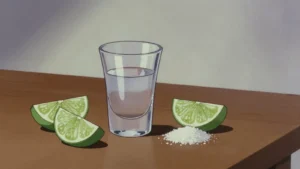

Ingredients
What the atlas records
- ara as a documented practice
- not as a procedure
- see the note on why
What to buy instead
- licensed Bhutanese spirit
- or any labelled grain spirit
- from a proper shop
How it is served
- warm, in a small cup or bowl
- or poached with egg and butter
- see the note
- offered to guests
What it is drunk with
- ema datshi
- dried pork or beef with chillies
- red rice
- puffed rice
- dried cheese
Directions
- Ara is a home-distilled spirit of Bhutan.
- It is made from fermented rice, maize, millet or wheat.
- It is offered at ceremonies and to guests.
- Now to an honest statement, which comes first and is most of this entry.
- This entry gives no method for making ara.
- It gives no ingredients, no quantities and no equipment.
- It does not describe the process in a usable way.
- That omission is deliberate. The atlas states that plainly.
- Now to an important qualification, made honestly.
- The atlas states it plainly. Now to what it is.
- Ara is genuinely a household practice in Bhutan.
- It is made at home, especially in the east.
- The atlas records that plainly.
- Now to what follows. The atlas is not describing a practice that ought not to exist.
- It is declining to write instructions for distilling anywhere.
- The atlas states that plainly.
- Now to the reasons, which apply regardless of local law.
- The atlas states them plainly.
- Now to the first. Distilling carries genuine physical hazards.
- Alcohol vapour is flammable and it collects.
- A still under pressure can rupture.
- Fires and injuries from stills are documented.
- The atlas states that plainly.
- Now to the second, which is the serious one.
- Badly made spirit can contain harmful levels of methanol.
- The atlas states that firmly. Now to what methanol does.
- It causes blindness. It causes death.
- Small quantities are enough. The atlas states that plainly.
- Now to why distilling specifically.
- Fermentation produces small amounts of methanol.
- Distillation concentrates it into the early fraction.
- Separating that fraction is a technical skill.
- The atlas states that plainly.
- Now to the crucial point. Methanol cannot be smelled or tasted apart from ethanol.
- There is no domestic test for it.
- The atlas states that firmly. Now to the third reason.
- Home distilling is illegal in most countries.
- A reader elsewhere following a method here would be breaking the law.
- The atlas states that plainly.
- Now to a note about Bhutan specifically.
- Bhutan has regulated alcohol in various ways over time.
- The atlas does not assert the current legal position on home production.
- It would rather say nothing than say something wrong.
- The atlas states that plainly.
- Now to consistency. This is the same position the atlas takes on samahon, tutovka, peket and rum.
- Distillation is the class it declines.
- The atlas applies that rule evenly, everywhere.
- The atlas states that plainly.
- Now to an important distinction.
- The fermented drinks are a different matter.
- The atlas states that plainly.
- Now to what those are. Bangchang and singchang are fermented grain drinks in Bhutan.
- They are not distilled. The atlas records that plainly.
- Now to what the atlas gives here instead.
- It records what ara is and what it means.
- That is the honest thing to give.
- The atlas states that plainly.
- Now to the grain. Rice, maize, millet or wheat.
- Whatever the household grows. The atlas records that plainly.
- Now to a note about that. Bhutan grows red rice at altitude.
- Maize is the staple in the east.
- Buckwheat and millet grow in the high valleys.
- The atlas records that plainly.
- Now to where it is most made. Eastern Bhutan especially.
- The atlas records that plainly.
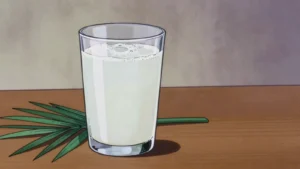
- Now to what it is like. It is clear to slightly cloudy.
- It is grainy and warming. The strength varies enormously.
- The atlas records that plainly.
- Now to that variation. There is no label and no measurement.
- One household’s ara is not another’s.
- The atlas states that plainly.
- Now to a caution that follows.
- Unlabelled spirit is of unknown strength and unknown production.
- The atlas states that plainly.
- Now to how it is served. It is served warm.
- The atlas records that plainly.
- Now to a well-documented preparation.
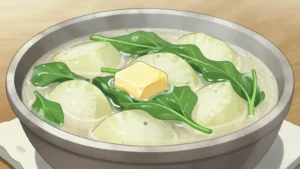
- Ara is heated with butter and egg.
- The egg is poached or scrambled into it.
- The atlas records that plainly.
- Now to a note about that. It is served to guests, to new mothers and in cold weather.
- It is a warming, sustaining thing rather than merely a drink.
- The atlas records that plainly.
- Now to a safety note about heating spirit.
- Never heat spirit over an open flame or in an open pan on a high heat.
- Alcohol vapour catches fire. The atlas states that firmly.
- Now to the safer way. Warm it gently, or stand the container in hot water.
- The atlas states that plainly.
- Now to hospitality. Ara is offered to visiting guests.
- Refusing outright can be awkward.
- The atlas records that social fact plainly.
- Now to what the atlas says about that.
- Nobody is obliged to drink anything.
- Declining is entirely reasonable.
- The atlas states that plainly.
- Now to ceremony. Ara is used in offerings and at festivals.
- The atlas records that plainly.
- Now to an honest limit. Ritual practice varies by valley and by tradition.
- The atlas records that it exists without describing it in detail it cannot verify.
- The atlas states that plainly.
- Now to what it is drunk with. Ema datshi, the chilli and cheese dish.
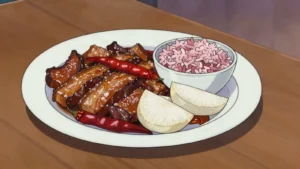
- Dried pork or beef cooked with chillies.
- Red rice. Puffed rice and dried cheese.
- The atlas records that plainly.
- Now to a note about ema datshi.
- Ema datshi treats chilli as a vegetable rather than a spice.
- It is the national dish. The atlas records that plainly.
- Now to a cross-reference. The atlas holds entries for chugo and sikam paa.
- Those are the dried cheese and the dried pork of the same table.
- The atlas cross-references rather than repeating.
- Now to alcohol. This is a strong spirit of unknown strength.
- The atlas states that plainly and without moralising.
- Now to who should not drink it.
- Anyone pregnant should not drink alcohol.
- Anyone driving should not. Anyone on medication that interacts with alcohol should not.
- Anyone who does not want to should not be pressed.
- The atlas states that plainly and moves on.
- Now to a note about altitude. Alcohol at high altitude is often felt more strongly.
- Dehydration and altitude sickness both worsen with it.
- Anyone newly at altitude should be careful.
- The atlas records that plainly.
- Now to keeping it. Spirits keep for years.
- Keep any bottle upright, away from light and heat.
- The atlas states that plainly.
Technique
- The atlas gives no method, no ingredients, no quantities and no equipment for this, and does not describe the process in a usable way. The omission is deliberate.
- Ara is genuinely a household practice in Bhutan, especially in the east, and the atlas is not describing a practice that ought not to exist — it is declining to write distilling instructions anywhere, for reasons that hold regardless of local law.
- Badly made spirit can contain harmful levels of methanol, which causes blindness and death in small quantities. Fermentation produces some methanol and distillation concentrates it into the early fraction; separating that correctly is a technical skill, methanol cannot be smelled or tasted apart from ethanol, and there is no domestic test for it.
- Distilling also carries fire and pressure hazards — alcohol vapour is flammable and collects, and a still under pressure can rupture.
- Home distilling is illegal in most countries, so a reader elsewhere following a method here would be breaking the law. Bhutan has regulated alcohol in various ways over time, and the atlas does not assert the current legal position on home production — it would rather say nothing than say something wrong.
- The same position applies to samahon, tutovka, peket and rum. Distillation is the class the atlas declines, evenly and everywhere.
- Bangchang and singchang are fermented Bhutanese grain drinks and are not distilled, which is a different matter entirely.
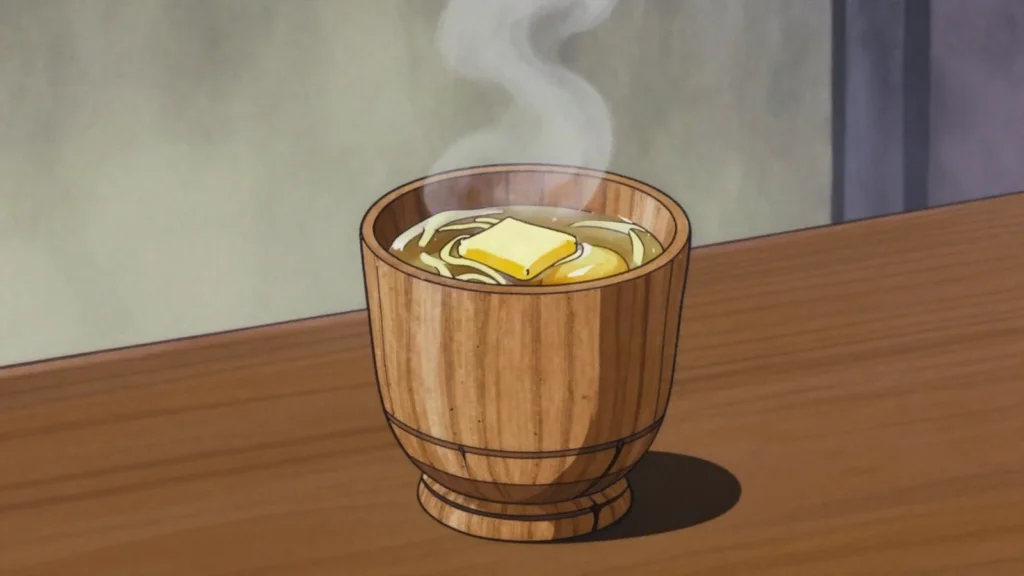
- It is served warm, and a well-documented preparation heats it with butter and an egg poached or scrambled into it, served to guests, to new mothers and in cold weather — a warming, sustaining thing rather than merely a drink.
- Never heat spirit over an open flame or in an open pan on high heat, because alcohol vapour catches fire. Warm it gently or stand the container in hot water.
- Strength varies enormously and there is no label — one household’s ara is not another’s, and unlabelled spirit is of unknown strength and unknown production.
- Ara is offered to visiting guests and refusing outright can be awkward. Nobody is obliged to drink anything and declining is entirely reasonable.
- Ritual practice varies by valley and by tradition, and the atlas records that it exists without describing detail it cannot verify.
- Alcohol at high altitude is often felt more strongly, and dehydration and altitude sickness both worsen with it. Anyone newly at altitude should be careful.
- Do not drink alcohol if you are pregnant, driving, or on medication that interacts with it.
Substitutions
- Any labelled grain spirit is the safer alternative.
- Bangchang and singchang are the undistilled fermented Bhutanese drinks.
- Chang, the Tibetan and Himalayan barley beer, is the regional low-alcohol drink.
- Suja, Bhutanese butter tea, is what is otherwise offered to a guest.
- Ngaja, the sweet milk tea, is the everyday non-alcoholic drink.
- Hot water with butter is the warming drink without alcohol.
Variations
- Ara heated with butter and egg is the guest preparation.
- Bangchang and singchang are the fermented, undistilled drinks.
- Maize ara is common in the east; rice ara elsewhere.
- Millet and wheat ara are made where those grow.
- Chang is the related Himalayan barley beer.
- Suja is the salted butter tea served alongside.
History
Spirit distilled at home from rice, maize, millet or wheat, especially in eastern Bhutan, and offered at ceremonies and to visiting guests.
Frequently asked questions
What is Ara?
Ara is a wine & spirit from Bhutan: homemade distilled spirit of fermented rice, maize or wheat. Spirit distilled at home from rice, maize, millet or wheat, especially in eastern Bhutan, and offered at ceremonies and to visiting guests.
How long does Ara take to make?
Ara takes none of preparation and none of cooking. The recipe makes not made at home; see the note. It is rated easy to make.
What can I substitute in Ara?
Yes, within limits. Any labelled grain spirit is the safer alternative. Bangchang and singchang are the undistilled fermented Bhutanese drinks. Chang, the Tibetan and Himalayan barley beer, is the regional low-alcohol drink. Suja, Bhutanese butter tea, is what is otherwise offered to a guest. Ngaja, the sweet milk tea, is the everyday non-alcoholic drink. Hot water with butter is the warming drink without alcohol.
What is the most important thing to get right in Ara?
It is a warming, sustaining thing rather than merely a drink.