Ingredients
- 500 gwhite maize meal (phofo ea poone), medium grind
- 1.2 litreswater
- 1 tspsalt, optional and often omitted
Equipment
- 1heavy-bottomed pot
- 1lesokoana (wooden stirring stick) or a strong wooden spoon
To serve
- Moroho (braised greens)
- Sour milk (mafi), cold
Directions
- Bring 900 ml of the water to a rolling boil in a heavy pot. A thin pot will scorch the porridge and taint the whole batch.
- Mix 150 g of the maize meal with the remaining 300 ml cold water to a smooth, lump-free slurry.
- Pour the slurry into the boiling water in a steady stream, whisking hard. Boil 5 minutes, stirring, until it thickens into a loose porridge and loses its raw, chalky smell.
- Reduce the heat to low. Add the remaining maize meal in four additions, beating each in fully with the wooden stick before the next goes in.
- As the last of the meal goes in, the mass will pull heavily against the stick. Switch to a folding, pressing motion, driving the stick down the side of the pot and turning the porridge over on itself.
- Cover and steam over the lowest heat for 15–20 minutes, opening every 5 minutes to fold it over again. Steam holes will form on the surface between stirs.
- Papa is ready when it comes away from the sides of the pot in one mass, holds a clean shape on the stick, and tastes of cooked maize with no gritty edge.
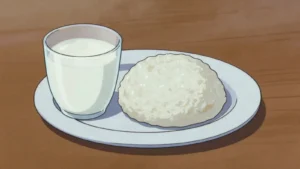
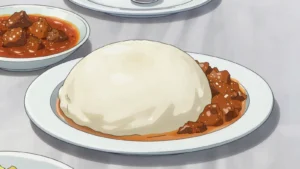
- Wet a bowl with cold water, press in a portion of papa, then turn it out onto the plate as a smooth dome. Serve immediately with moroho and cold mafi, eaten with the right hand.
Technique
- Papa must be stiff. It is a scooping tool as much as a food, and it should hold a thumb print without slumping. Basotho papa is noticeably firmer than Zambian nshima or Kenyan ugali.
- The cold-water slurry at the start is what prevents lumps. Tipping dry meal into boiling water sets instant lumps that no amount of beating will break up.
- The final covered steaming is not optional: it hydrates the last of the starch. Undercooked papa tastes raw and sits heavily.
- Salt is a matter of household preference; many Basotho cooks add none at all, because the relish carries the seasoning.
Substitutions
- White maize meal is the standard; yellow maize meal works but tastes sweeter and is regarded as animal feed in much of southern Africa.
- Fine polenta can substitute at a pinch, using 20 percent less water, though the texture is smoother and less springy.
Variations
- Motoho, the thin fermented sorghum porridge drunk at breakfast.
- Papa cooked with a proportion of sorghum meal for a darker, tangier result.
- Lesheleshele, a looser soft porridge for children and the elderly.
History
A stiff, dense maize-meal porridge, cooked by gradually stirring maize flour into boiling water until it forms a thick, moldable dough, considered the most essential staple food across Lesotho, reflecting the same broader Southern African maize-cooking tradition found under related names, including sadza in Zimbabwe and nshima in Zambia, across much of the wider region. Maize became the dominant Basotho staple crop only after its introduction along the East African coast through Portuguese trade beginning in the 1500s and 1600s and its subsequent spread inland, gradually displacing older staple grains including sorghum. Papa remains eaten daily across nearly all Basotho households, typically served alongside a vegetable relish called moroho or a meat stew, forming the foundation of most everyday Basotho meals.
Frequently asked questions
What is Papa?
Papa is a main from Lesotho: stiff maize porridge, the Basotho staple with moroho. A stiff, dense maize-meal porridge, cooked by gradually stirring maize flour into boiling water until it forms a thick, moldable dough, considered the most essential staple food across Lesotho, reflecting the same broader Southern African maize-cooking tradition found under related names, including sadza in Zimbabwe and nshima in Zambia, across much of the wider region. Maize became the dominant Basotho staple crop only after its introduction along the East African coast through Portuguese trade beginning in the 1500s and 1600s and its subsequent spread inland, gradually displacing older staple grains including sorghum. Papa remains eaten daily across nearly all Basotho households, typically served alongside a vegetable relish called moroho or a meat stew, forming the foundation of most everyday Basotho meals.
How long does Papa take to make?
Papa takes 5 min of preparation and 30 min of cooking. The recipe makes 4 servings. It is rated easy to make.
What can I substitute in Papa?
Yes, within limits. White maize meal is the standard; yellow maize meal works but tastes sweeter and is regarded as animal feed in much of southern Africa. Fine polenta can substitute at a pinch, using 20 percent less water, though the texture is smoother and less springy.
What is the most important thing to get right in Papa?
Bring 900 ml of the water to a rolling boil in a heavy pot. A thin pot will scorch the porridge and taint the whole batch.