
Ingredients
In the bottle
- Areni noir grapes, grown at 1,200–1,600 m in the Vayots Dzor province around the villages of Areni and Rind
- Indigenous yeasts from the grape skins, still used by many small producers
- Karas, the traditional buried clay amphora, or stainless steel and Caucasian oak
- A small addition of sulphur dioxide at pressing
- Alcohol by volume: 13–14.5%
To serve
- 1 bottledry Areni
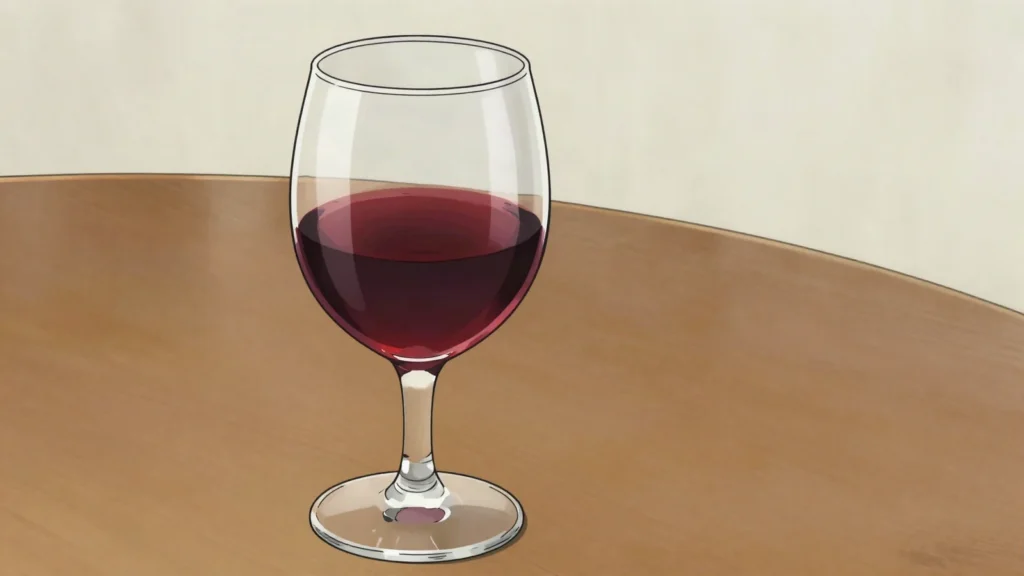
- Burgundy-shaped glasses with a wide bowl
- serving temperature 15–16°C (60–60°F), cellar-cool
- a decanter for older bottles
Directions
- Know the ground: Areni noir is an ancient indigenous Armenian variety, thin-skinned and late-ripening, grown ungrafted on volcanic and limestone soils in the high, dry Vayots Dzor valleys where the vines survive winters without being buried.
- Grapes are hand-harvested in late September and October in small baskets and sorted, often at the vineyard edge.
- In the traditional method the fruit is crushed by foot or by hand and run, skins and all, into karases, large unglazed clay jars buried up to their necks in the cellar floor, which hold a steady cool temperature all through fermentation.
- Wild yeasts start the fermentation within a day or two; the cap is punched down by hand several times daily, and fermentation on skins runs 10 to 20 days at 22–26°C (70–80°F).
- The wine is drawn off, pressed gently, and put through malolactic fermentation, after which it rests in karas, neutral oak or steel for six to twelve months, racked off its lees a few times.
- Modern wineries in the region use temperature-controlled stainless steel and French oak barriques and produce a cleaner, more polished style; both approaches are made side by side today.
- The wine is fined lightly with bentonite if needed, bottled, and usually released young, though good examples hold for five to eight years.
- Serve at 15–16°C (60–60°F) in a wide glass. Expect a pale to medium ruby colour, aromas of sour cherry, red plum, dried herbs and a faint peppery spice, bright acidity and light, fine tannins. It is drunk with grilled vegetables, herbs, lavash and cheese.
Technique
- The Areni-1 cave, in the cliffs just above the village, holds the world’s oldest known winemaking facility, with a clay treading floor, fermentation vat and grape pips dated to about 4100 BC. Wine has been made within a few kilometres of these vineyards for six thousand years.
- Karas fermentation is not a marketing revival in Armenia; it never fully stopped, and buried clay gives a rounder, slightly earthier texture than steel with almost no oxygen exchange.
- Areni is naturally light in colour. A very dark, heavily extracted bottle labelled Areni has usually been pushed with new oak or blended, and is not typical of the variety.
- This is a purchased wine. Nothing in its production involves distillation, and home reproduction is not realistic without the fruit.
Substitutions
- Hard to find outside Armenia and the diaspora: a Georgian Saperavi is the nearest Caucasian red, though darker and more tannic, and a light Pinot Noir sits in a similar weight class.
- For a white from the same region, look for Voskehat, Armenia’s leading indigenous white grape.
Variations
- Karasi-style Areni, fermented and aged in buried clay, rustic and savoury.
- Barrel-aged Areni Reserve, given 12–18 months in French oak, darker and firmer.
- Areni rosé, made by short maceration, pale and sharply mineral.
History
The nearby Areni-1 cave held a 6,100-year-old winery with press, vats and cups, the oldest yet excavated.
Frequently asked questions
What is Areni wine?
Areni wine is a wine & spirit from Armenia: dry red wine from the Areni grape grown in Vayots Dzor. The nearby Areni-1 cave held a 6,100-year-old winery with press, vats and cups, the oldest yet excavated.
How long does Areni wine take to make?
Areni wine takes 15 min of preparation and 6–12 months maturation of cooking. The recipe makes 1 bottle, 750 ml. It is rated medium to make.
What can I substitute in Areni wine?
Yes, within limits. Hard to find outside Armenia and the diaspora: a Georgian Saperavi is the nearest Caucasian red, though darker and more tannic, and a light Pinot Noir sits in a similar weight class. For a white from the same region, look for Voskehat, Armenia’s leading indigenous white grape.
What is the most important thing to get right in Areni wine?
Karas fermentation is not a marketing revival in Armenia; it never fully stopped, and buried clay gives a rounder, slightly earthier texture than steel with almost no oxygen exchange.