
Ingredients
Dough
- 700 gplain flour
- 100 gsugar
- 10 gdried yeast
- 1 teaspoonsalt
- 300 mlwarm water
- or warm coconut milk
- 1egg
- 60 gbutter, melted
- or margarine
To fry
- oil, for deep frying
To finish
- caster sugar, for rolling
- or a simple sugar glaze
- grated coconut, optional
To serve
- warm from the pan
- coffee or tea
- at a store counter
- from a roadside table
Directions
- Flour arrived entirely through import. The outside browns before it is done. Warm the water or coconut milk gently. Stir the yeast and a spoon of sugar in. Let it stand until it foams up. Give it about ten minutes to foam. Put the flour, sugar and salt in a bowl.
- Make a well in the middle of it. Beat the egg and add it in as well. Pour in the foaming yeast liquid. Add the melted butter to it as well. Bring it together into a soft dough. Turn it out onto a floured surface.
- Knead it for a good ten minutes. It should become smooth and elastic. Put the dough in an oiled bowl. Cover it and leave it somewhere warm. Let it roughly double in size. Give it an hour or a little more. Roll it out on a floured surface. Take it down to about one centimetre. A centimetre thick is about right.
- Cut rings out with two cutters. Use a large one and a small one. That is how it is very often done. Set the rings on a floured tray. Cover them loosely with a cloth. Let them prove for about thirty minutes. They should look visibly puffed.
- Pour the oil into a deep heavy pot. Fill it no more than half full. Heat it to about one hundred and seventy degrees. It should rise and sizzle steadily. Keep a lid nearby to smother a flare-up. Never put water on an oil fire at all. Keep children well away from the pot. Frying them takes care and batches. Turn them over with a slotted spoon. Give them another two minutes.
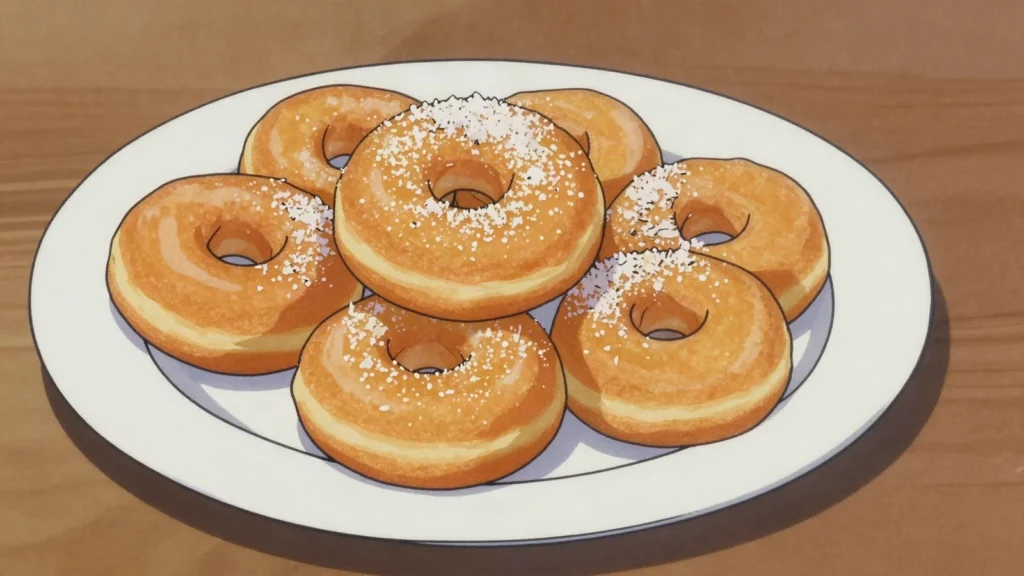
- Break the first one open to check. The inside should be light and bready. Lift them out onto a wire rack. A rack keeps them from going soggy. Let all the excess oil drip away. Finishing them is done while warm. Roll them in caster sugar straight away. Sugar sticks best while they are hot. Roll them the moment they are drained. Mix icing sugar with a little water.
- Dip the warm rings down into it. Let the glaze set on a wire rack. Scatter grated coconut over the glaze. That sticks while the glaze is wet. Pile them into a basket or a bag. Serve coffee or tea alongside. They are best within the first hour.
Technique
- Wheat does not grow on coral atolls, so flour arrived entirely through traders and mission stations and became a staple over time; atoll food was breadfruit, taro and coconut before that. Imported starches and sugar changed island diets across the Pacific and rates of diabetes rose, which is documented — though the change was in the whole food supply as cheap imports displaced local foods, rather than in any one snack.
- They are made as rings because a solid ball cooks slowly in the middle and browns outside before it is done, while a ring has no thick centre and cooks evenly right through.
- Roll them in sugar the moment they are drained, since it sticks to hot doughnuts and slides straight off cold ones.
Substitutions
- Warm coconut milk in place of water enriches the dough and uses what is locally available.
- A simple icing sugar glaze stands in for rolling them in caster sugar.
Variations
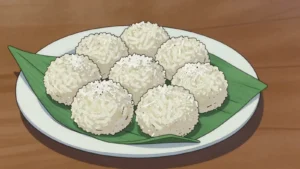
- Some are made as plain balls rather than rings.
- Grated coconut is scattered over the glaze while it is still wet.
- They are made fresh each morning and sold out by midday.
History
Wheat flour arrived through traders and mission stations, and fried dough became the standard market snack across the atolls.
Frequently asked questions
What is Marshallese Doughnuts?
Marshallese Doughnuts is a bread & pastry from Marshall Islands: fried wheat-flour rings sold warm at stores and roadside tables all morning. Wheat flour arrived through traders and mission stations, and fried dough became the standard market snack across the atolls.
How long does Marshallese Doughnuts take to make?
Marshallese Doughnuts takes 30 minutes plus rising of preparation and 30 minutes of cooking. The recipe makes about 20 rings. It is rated medium to make.
What can I substitute in Marshallese Doughnuts?
Yes, within limits. Warm coconut milk in place of water enriches the dough and uses what is locally available. A simple icing sugar glaze stands in for rolling them in caster sugar.
What is the most important thing to get right in Marshallese Doughnuts?
Pour the oil into a deep heavy pot. Fill it no more than half full. Heat it to about one hundred and seventy degrees. It should rise and sizzle steadily. Keep a lid nearby to smother a flare-up. Never put water on an oil fire at all. Keep children well away from the pot. Frying them takes care and batches. Turn them over with a slotted spoon. Give them another two minutes.