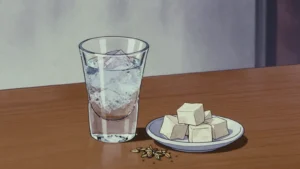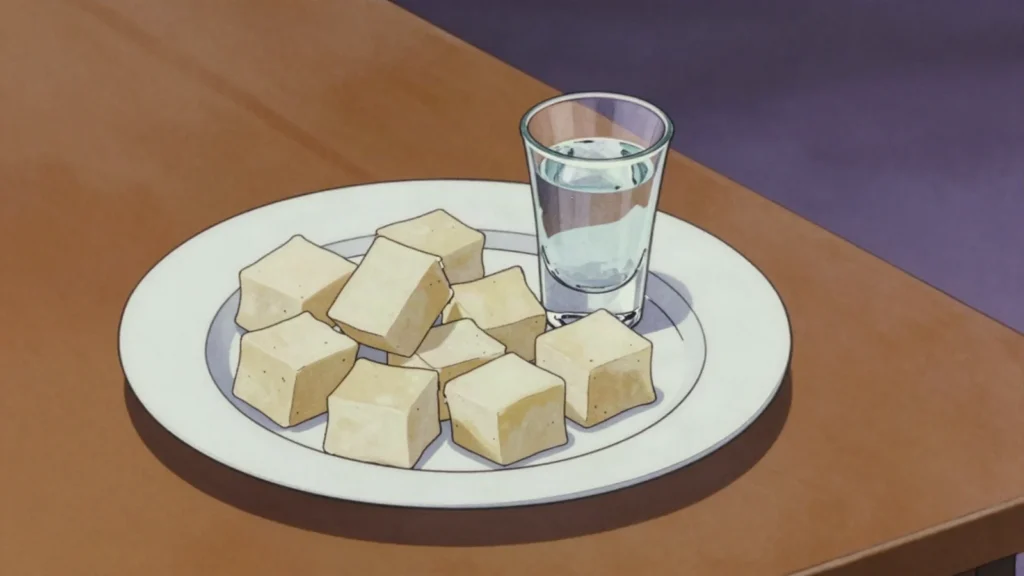

Fermented Greenland shark, cut into cubes and chased with brennivín. The shark’s flesh is poisonous when fresh, so it is buried and pressed for weeks and then hung to dry for months until the toxins break down — the fermentation is not a flavouring, it is a detoxification.
The flesh is genuinely poisonous until processed, and the traditional press-and-dry cycle is what makes it safe; there is no way to test at home whether it has worked, and the failure mode is poisoning rather than a bad smell.
What goes into it
- Greenland shark
- gravel and stones for pressing
- cold sea air
How it is made
Greenland shark tissue carries urea and trimethylamine N-oxide at concentrations that make it toxic to eat fresh. The shark is beheaded, buried in a shallow gravel pit and weighted with stones for six to twelve weeks, during which fluid is pressed out and bacteria convert the compounds. It is then cut into strips and hung in an open drying shed for four to five months until a crust forms.
How long it takes: six to twelve weeks pressed, then four to five months hanging
How it is eaten
In small cubes with a shot of brennivín, at the midwinter Þorrablót feast.
History
Greenland shark flesh is poisonous when fresh, so it is buried and pressed for weeks then hung to dry for months until the toxins break down.
Frequently asked questions
What is Hákarl?
Hákarl is a fermented & pickled from Iceland: fermented Greenland shark cubes, ammonia-sharp; brennivín chaser. Greenland shark flesh is poisonous when fresh, so it is buried and pressed for weeks then hung to dry for months until the toxins break down.
How is Hákarl made?
Greenland shark tissue carries urea and trimethylamine N-oxide at concentrations that make it toxic to eat fresh. The shark is beheaded, buried in a shallow gravel pit and weighted with stones for six to twelve weeks, during which fluid is pressed out and bacteria convert the compounds. It is then cut into strips and hung in an open drying shed for four to five months until a crust forms. It takes six to twelve weeks pressed, then four to five months hanging.
Can I make Hákarl at home?
No, and the atlas gives no method for it. The flesh is genuinely poisonous until processed, and the traditional press-and-dry cycle is what makes it safe; there is no way to test at home whether it has worked, and the failure mode is poisoning rather than a bad smell.
What goes into Hákarl?
Greenland shark, gravel and stones for pressing, cold sea air.
How is Hákarl eaten?
In small cubes with a shot of brennivín, at the midwinter Þorrablót feast.