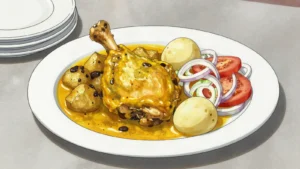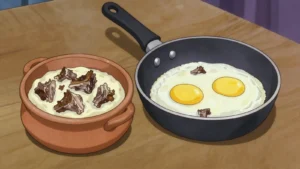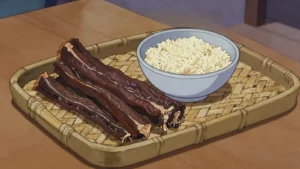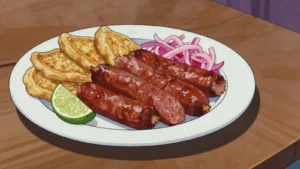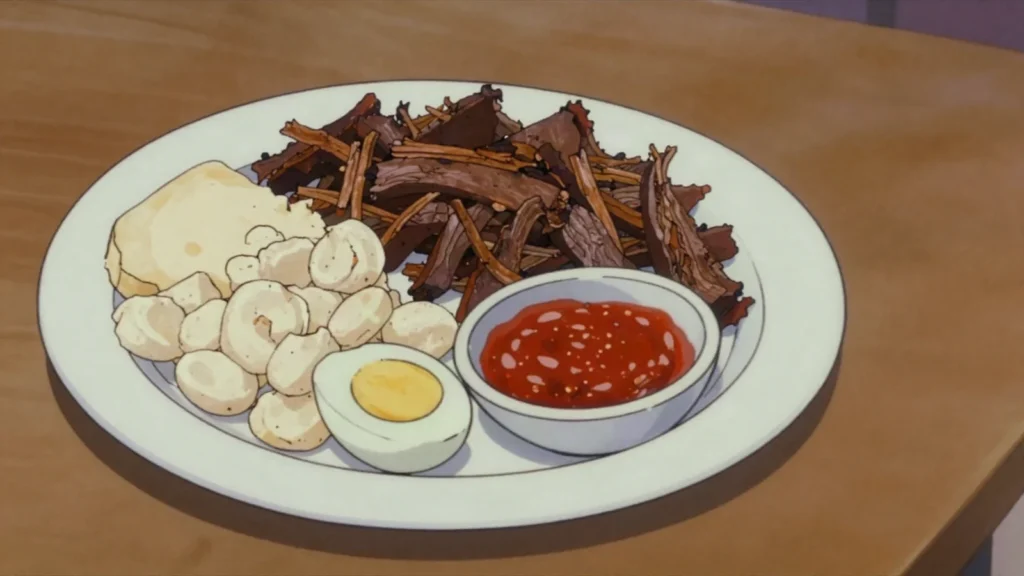

Llama or beef salted and dried hard in the thin, cold air of the Bolivian altiplano. The Quechua word charki is the ancestor of the English jerky, and the meat is pounded soft and fried into charquekán, Oruro’s plate of dried meat with mote, cheese and egg.
The safety of the dry comes from altiplano conditions — very low humidity, intense sun and freezing nights — that no ordinary kitchen or garden can reproduce, and meat drying too slowly is the classic route to spoilage.
What goes into it
- llama or beef, cut in thin sheets
- coarse salt
How it is made
The meat is cut into thin flat sheets, rubbed heavily with salt, and hung in the sun and wind of the high plateau, where very low humidity and strong ultraviolet light dry it faster than bacteria can grow. Nights below freezing help as much as the days do. It ends hard as board and keeps for months.
How long it takes: several days to two weeks in altiplano air
How it is eaten
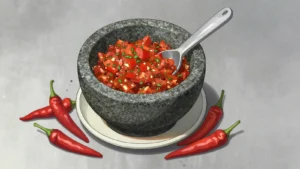
Pounded, soaked and fried; served as charquekán with hominy, fresh cheese, boiled egg and llajua.
History
The Quechua word charki gave English its jerky; Oruro serves charquekan with mote, cheese and egg.
Frequently asked questions
What is Charque?
Charque is a charcuterie & cured from Bolivia: salted sun-dried llama or beef, pounded and fried into charquekan. The Quechua word charki gave English its jerky; Oruro serves charquekan with mote, cheese and egg.
How is Charque made?
The meat is cut into thin flat sheets, rubbed heavily with salt, and hung in the sun and wind of the high plateau, where very low humidity and strong ultraviolet light dry it faster than bacteria can grow. Nights below freezing help as much as the days do. It ends hard as board and keeps for months. It takes several days to two weeks in altiplano air.
Can I make Charque at home?
No, and the atlas gives no method for it. The safety of the dry comes from altiplano conditions — very low humidity, intense sun and freezing nights — that no ordinary kitchen or garden can reproduce, and meat drying too slowly is the classic route to spoilage.
What goes into Charque?
Llama or beef, cut in thin sheets, coarse salt.
How is Charque eaten?
Pounded, soaked and fried; served as charquekán with hominy, fresh cheese, boiled egg and llajua.