
Ingredients
Grasshoppers
- 500 gchapulines, from a reputable supplier
- 4 litreswater
- 3 tbspsalt
To season
- 4 clovesgarlic, crushed
- juice of 4 limes
- 2 tbsplard or oil
- 1 tbspground chile de árbol
- ½ tspsalt, to finish
Directions
- Source matters more than technique here. Buy from a supplier who can tell you where the insects were harvested, because grasshoppers concentrate whatever was in the field they came from.
- Wash them thoroughly in several changes of cold water.
- Pull off the hind legs and the wings, which are spiny and lodge unpleasantly in the throat. The larger grades need this far more than the small ones do.
- Boil them in the salted water for 10 minutes, then drain. This is not only for flavour: thorough cooking is what deals with any parasites, and chapulines are never eaten raw.
- Toss the drained chapulines with the garlic and lime juice and leave them for 15 minutes.
- Heat the lard in a wide pan or on a comal and toast them over a medium heat for 8 to 10 minutes, shaking almost constantly, until they turn deep red-brown.
- Keep going until they are genuinely crisp all the way through. Any softness left in the middle means moisture, and they will turn leathery within the hour and will not keep.
- Toss with the ground chilli and a final pinch of salt while they are still hot.
- Cool completely and store in an airtight jar, where they keep for several weeks.
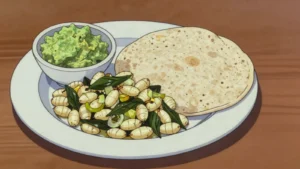
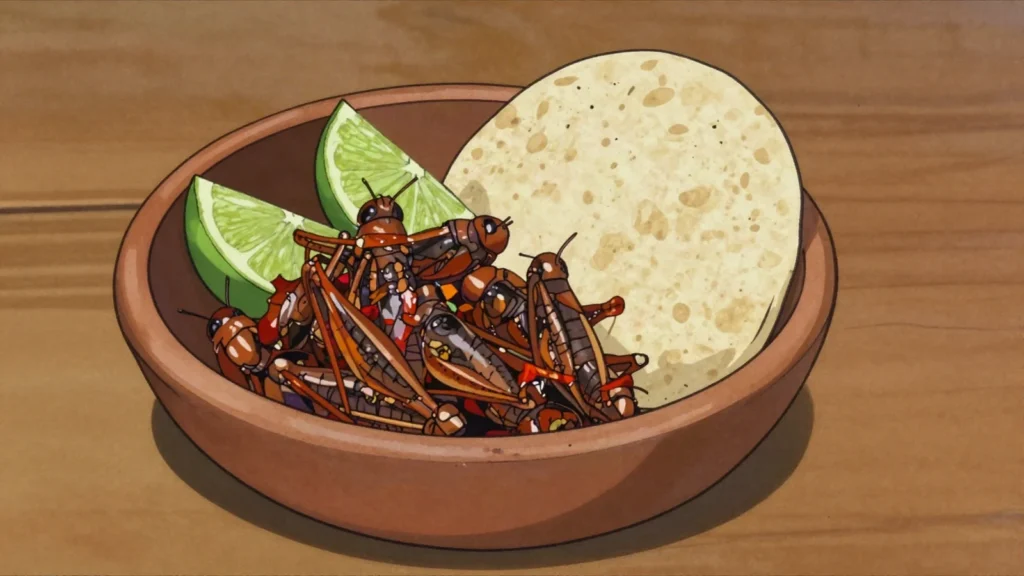
- Eat by the handful, folded into a taco with guacamole, or crumbled over a tlayuda.
Technique
- Chapulines carry the same allergen risk as shellfish. Insect and crustacean tropomyosins are closely related, so anyone with a shellfish allergy should treat them as off-limits rather than as an experiment.
- Public health authorities in California have repeatedly warned about elevated lead in chapulines imported from parts of Oaxaca, traced to processing rather than to the insects. Buy from a supplier who tests, and do not give them to young children.
- They have been harvested from the alfalfa and maize fields of Oaxaca’s Central Valleys since long before the conquest, and markets in Oaxaca city still sell them graded by size, with the smallest the most prized.
Substitutions
- Frozen chapulines, already cleaned, which are what most suppliers outside Mexico sell.
Variations
- Toasted with a sprig of epazote alongside.
- Ground into a salsa with roasted chillies, garlic and tomato.
- The smallest grade eaten plain with nothing but lime.
History
Toasted grasshoppers, seasoned with chili, lime and garlic, eaten as a snack or taco filling, most strongly associated with the state of Oaxaca, where insect consumption reflects a documented pre-Columbian Mesoamerican dietary practice predating Spanish colonization by many centuries, since insects provided an accessible, sustainable protein source across a range of ancient Mesoamerican societies. Their preparation, toasting live-caught grasshoppers, typically harvested from alfalfa or corn fields where they are naturally abundant, and seasoning them simply, reflects continuity with that older Indigenous tradition rather than a modern novelty food, even as chapulines have more recently gained attention outside Mexico as an example of entomophagy, or insect-eating, drawing interest from food writers and sustainability advocates. They remain a genuinely everyday snack across Oaxaca specifically.
Frequently asked questions
What is Chapulines?
Chapulines is a snack from Mexico: toasted grasshoppers seasoned with lime, garlic and chili, eaten by the handful. Toasted grasshoppers, seasoned with chili, lime and garlic, eaten as a snack or taco filling, most strongly associated with the state of Oaxaca, where insect consumption reflects a documented pre-Columbian Mesoamerican dietary practice predating Spanish colonization by many centuries, since insects provided an accessible, sustainable protein source across a range of ancient Mesoamerican societies. Their preparation, toasting live-caught grasshoppers, typically harvested from alfalfa or corn fields where they are naturally abundant, and seasoning them simply, reflects continuity with that older Indigenous tradition rather than a modern novelty food, even as chapulines have more recently gained attention outside Mexico as an example of entomophagy, or insect-eating, drawing interest from food writers and sustainability advocates. They remain a genuinely everyday snack across Oaxaca specifically.
How long does Chapulines take to make?
Chapulines takes 30 min of preparation and 25 min of cooking. The recipe makes 500 g. It is rated medium to make.
What can I substitute in Chapulines?
Yes, within limits. Frozen chapulines, already cleaned, which are what most suppliers outside Mexico sell.
What is the most important thing to get right in Chapulines?
Boil them in the salted water for 10 minutes, then drain. This is not only for flavour: thorough cooking is what deals with any parasites, and chapulines are never eaten raw.