Ingredients
Flour
- 500 gbarley
- 150 gdried chickpeas
- 2 tbspfenugreek seeds
- 1 tspaniseed
- ½ tspground cinnamon
- ½ tspsalt
To serve, per portion
- 4 tbspbsisa flour
- 2 tbspolive oil
- 1 tbspdate syrup, or 3 dates, mashed
- a little water
Directions
- Rinse the barley and dry it thoroughly, then roast it in a dry heavy pan over a medium heat, shaking almost constantly, for 10 to 15 minutes until it is an even deep brown and smells strongly of toast. This roasting is what lets bsisa keep for months, and it is essentially the entire flavour of the thing.
- Roast the chickpeas separately, because they take considerably longer, about 20 minutes, until they darken and start to crack open.
- Toast the fenugreek and aniseed for only 1 to 2 minutes, watching them the whole time. Fenugreek turns bitter very quickly and a scorched batch cannot be rescued or diluted.
- Let everything cool completely, then grind it all together with the cinnamon and salt to as fine a flour as your grinder will manage.
- Sieve the flour and regrind whatever is left in the sieve. Bsisa should be genuinely powdery, not gritty.
- Store it in a sealed jar somewhere cool and dark. It keeps for months without refrigeration, which is precisely why it was the food of farmers and travellers.
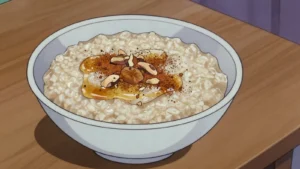
- To eat it, put 4 tbsp of the flour in a bowl, make a well in the middle and pour the olive oil into it, then work the two together with a spoon.
- Add the date syrup and just enough water to bring it to a thick paste that holds together without being wet.
- Eat it with a spoon, or roll it into small balls, with dates alongside and a glass of tea.
Technique
- Fenugreek is what marks the Libyan version out from the Tunisian one, which leans on fennel and coriander instead. It is assertive and it is meant to be.
- Roast each component separately. They are different sizes and densities and roasting them together guarantees that some burn while others stay raw.
- Libyan and Tunisian Jewish families mix bsisa in a ritual on the first of Nisan, stirring the bowl with a key as a blessing for the year.
Substitutions
- Honey in place of date syrup.
- Water instead of olive oil for a much leaner, older-style porridge.
Variations
- Whisked into milk and drunk rather than eaten as a paste.
- Mixed with olive oil alone and no sweetening at all, as a savoury breakfast.
- Enriched with ground almonds and pine nuts for a festive version.
History
Roasted barley and chickpea flour with fenugreek, eaten by farmers and travellers; Libyan and Tunisian Jews also mix it in a ritual on the first of Nisan.
Frequently asked questions
What is Bsisa?
Bsisa is a breakfast from Libya: roasted barley-legume flour mixed with olive oil and dates. Roasted barley and chickpea flour with fenugreek, eaten by farmers and travellers; Libyan and Tunisian Jews also mix it in a ritual on the first of Nisan.
How long does Bsisa take to make?
Bsisa takes 20 min of preparation and 40 min of cooking. The recipe makes 1 jar, about 700 g. It is rated easy to make.
What can I substitute in Bsisa?
Yes, within limits. Honey in place of date syrup. Water instead of olive oil for a much leaner, older-style porridge.
What is the most important thing to get right in Bsisa?
Rinse the barley and dry it thoroughly, then roast it in a dry heavy pan over a medium heat, shaking almost constantly, for 10 to 15 minutes until it is an even deep brown and smells strongly of toast. This roasting is what lets bsisa keep for months, and it is essentially the entire flavour of the thing.