
Ingredients
Starting material
- 20 litresraw whole goat or cow milk, soured naturally over 2 to 3 days at room temperature
- the lben, or buttermilk, left after churning that soured milk for butter
- coarse sea salt, about 30 g per kilo of curd
Vessel
- 1chekoua, a whole tanned and cured goatskin bag, or a clay jar lined with a permeable cloth
- hemp or cotton cord, to hang it
Weekly feeding
- 1to 2 litres fresh lben each week through the ripening
- a cool, airy, shaded room at 12 to 18°C (65°F)
Directions
- Leave the raw milk to sour and set at ambient temperature for 2 to 3 days, until it curdles cleanly into rayeb, a set sour curd that smells sharply lactic. Churn the rayeb in a skin or a churn until the butter separates, then draw off the butter and keep the buttermilk, the lben, which is the real raw material of this cheese.
- Pour the first lben into the bag, tie the neck loosely and hang it in a cool, airy, shaded room.
- Repeat that cycle for three to six months. The bag hangs the whole time and drips continuously; the mass slowly grows, dries and takes on a spreadable, dense paste texture.
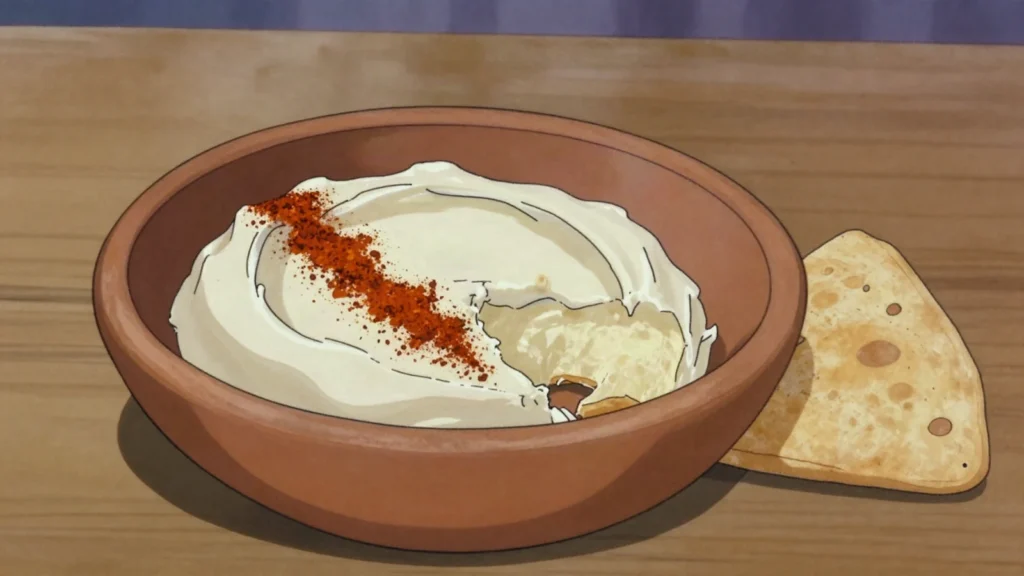
- Turn it out, work in a last dose of salt, pack it into jars or roll it into balls, and eat it spread on flatbread or stirred into hot dishes.
- Keep it cold once it leaves the bag.
Technique
- Bouhezza is a Chaoui cheese of the Aurès mountains in eastern Algeria and is unusual in that the vessel is the ripening agent: the skin lets whey out and lets air and microbes in, which is why no other container behaves the same way.
- It is a raw milk, ambient-temperature ferment made with no rennet at all, relying on lactic acidification for both set and safety. That is also its main risk, so the acidity must stay high throughout and salt must never be skimped.
- The traditional skin is a goat hide, so the container is an animal product even though nothing added to the cheese is. Use a cloth-lined clay jar if that matters to you, and note that raw milk cheeses of this type are not advised for pregnant women or anyone immunocompromised.
Substitutions
- In place of a chekoua, hang the curd in a doubled muslin bag inside a large unglazed clay pot, feeding and salting on the same weekly schedule. The drainage is slower and the flavour milder.
- If raw milk is unavailable or illegal to sell where you live, use pasteurised milk cultured with 200 ml live yoghurt to make the rayeb, accepting a less complex ferment.
Variations
- Some Aurès households feed the bag with lben from mixed goat and sheep milk, which gives a richer, fattier paste.
- A shorter forty day version is made in spring for immediate eating and is milder, softer and much less peppery.
History
A Chaoui herders’ cheese of the Aures mountains, matured for months in a treated skin bag called a chekoua and now studied as an endangered tradition.
Frequently asked questions
What is Bouhezza?
Bouhezza is a cheese & dairy from Algeria: cheese ripened inside a goatskin, fed daily with fresh buttermilk until sharp. A Chaoui herders’ cheese of the Aures mountains, matured for months in a treated skin bag called a chekoua and now studied as an endangered tradition.
How long does Bouhezza take to make?
Bouhezza takes 1 hr spread over weeks of preparation and 3 to 6 months ripening of cooking. The recipe makes about 1.5 kg after 3 months. It is rated hard to make.
What can I substitute in Bouhezza?
Yes, within limits. In place of a chekoua, hang the curd in a doubled muslin bag inside a large unglazed clay pot, feeding and salting on the same weekly schedule. The drainage is slower and the flavour milder. If raw milk is unavailable or illegal to sell where you live, use pasteurised milk cultured with 200 ml live yoghurt to make the rayeb, accepting a less complex ferment.
What is the most important thing to get right in Bouhezza?
Repeat that cycle for three to six months. The bag hangs the whole time and drips continuously; the mass slowly grows, dries and takes on a spreadable, dense paste texture.