
Ingredients
Rēwena bug
- 2medium potatoes, peeled and sliced
- 500 mlwater
- 2 tbspplain flour
- 1 tspsugar
To feed the bug
- 1 tbspflour and 1 tsp sugar, every few days
Dough
- 1 kgplain flour
- 2 tspsalt
- 1 tspbaking soda
- the rēwena bug
- warm water, as needed
Equipment
- a large glass or ceramic jar with a loose lid
- a heavy lidded pot or a loaf tin
Note
- never use a metal container or spoon with the bug
Directions
- Use glass or ceramic and a wooden spoon. Starting a new bug takes several days. Peel and slice the potatoes thinly. Boil them in the water until completely soft. Mash them in their cooking water into a thin purée. Let it cool until it is only just warm. Hot liquid would kill the wild yeasts you are trying to catch.
- Stir in the flour and the sugar with a wooden spoon. Fermenting the bug takes patience. Pour it into a glass or ceramic jar. Cover it with a cloth or a loose lid. It must not be airtight, since the gas needs to escape.
- Leave it somewhere warm to work. Stir it once a day with a wooden spoon. By the second day it should show small bubbles. Discard it and start again if it does. Feeding it keeps it alive between bakes.
- Add a tablespoon of flour and a teaspoon of sugar every few days. Stir it in with a wooden spoon. Keep it somewhere cool but not cold. Take some out to bake with and top the jar up with fresh mashed potato. Making the dough is done in one go.
- Put the flour and salt in a very large bowl. Make a well in the centre of it. Pour the active bug into the well. It should be frothy and alive when you use it. Sprinkle the baking soda over the bug in the well. Some bakers add it and some do not. Mix from the centre outward, drawing in flour. Add warm water gradually until it comes together. The amount varies with how wet your bug is.
- Turn it out and knead it for ten to twelve minutes. It should become smooth and elastic. Put it in a bowl and cover it with a cloth. Leave it somewhere warm for two to four hours. Put it in a greased lidded pot or a loaf tin. Cover it and let it prove for another hour. Baking it is done covered then uncovered.
- Heat the oven to 200C in good time. Bake it covered for thirty minutes. Take the lid off and bake for another fifteen minutes. It should be deep golden and sound hollow underneath. Turn the loaf out onto a wire rack. Let it cool completely before cutting. Cutting it warm gives a gummy crumb.
Technique
- Never use metal containers or spoons with the bug; glass, ceramic and wood only.
- Let the potato mixture cool before adding flour, since hot liquid kills the wild yeasts.
- The rise is slower and smaller than with commercial yeast, so be patient rather than adding any.
Substitutions
- A friend’s established bug, which is far more reliable than a new one.
- A heavy lidded casserole in place of a loaf tin.
Variations
- Made without baking soda, which some bakers prefer.
- Baked as smaller rolls.
- With a little sugar in the dough for a sweeter loaf.
History
Leavened with a potato bug starter kept alive for years, a technique developed after potatoes reached Maori gardens in the late 1700s.
Frequently asked questions
What is Rēwena Bread?
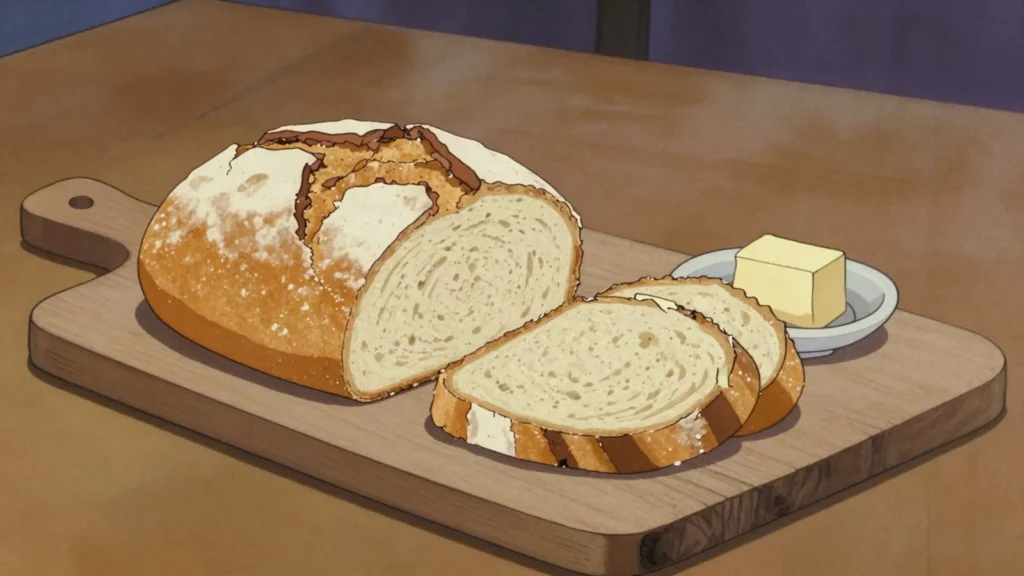
Rēwena Bread is a bread & pastry from New Zealand: māori sourdough leavened with a fermented potato starter. Leavened with a potato bug starter kept alive for years, a technique developed after potatoes reached Maori gardens in the late 1700s.
How long does Rēwena Bread take to make?
Rēwena Bread takes 40 min plus 4 days for the starter of preparation and 45 min of cooking. The recipe makes 1 large loaf. It is rated hard to make.
What can I substitute in Rēwena Bread?
Yes, within limits. A friend’s established bug, which is far more reliable than a new one. A heavy lidded casserole in place of a loaf tin.
What is the most important thing to get right in Rēwena Bread?
Stir in the flour and the sugar with a wooden spoon. Fermenting the bug takes patience. Pour it into a glass or ceramic jar. Cover it with a cloth or a loose lid. It must not be airtight, since the gas needs to escape.