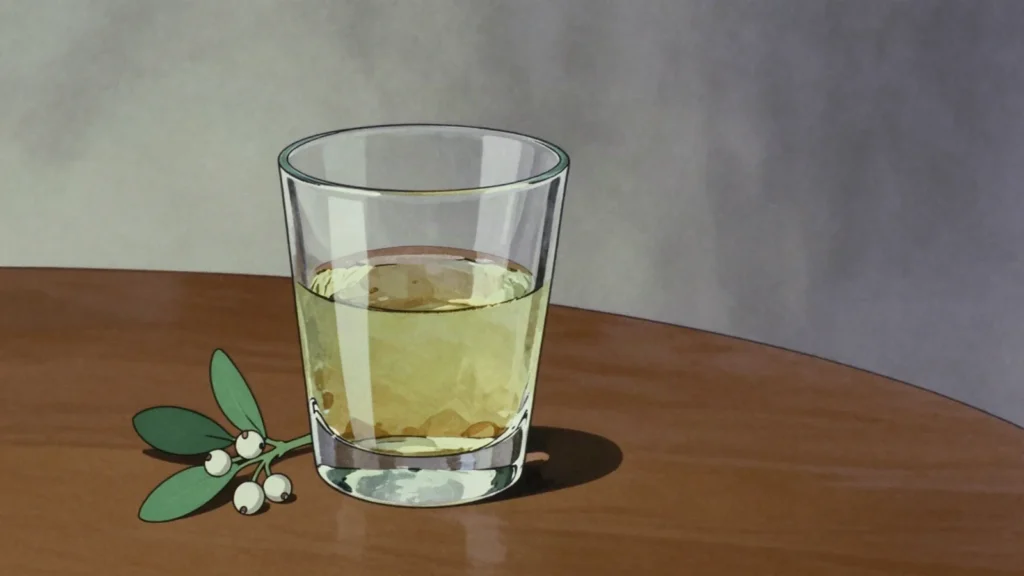

An Istrian grape brandy infused with mistletoe, herbal and faintly bitter. The recipe is attributed to old Celtic-era herbal lore and was revived by farmhouse distillers around Buzet, who hold an annual festival for it.
The base is a distilled spirit, and mistletoe is toxic — the berries especially — so the traditional dose is not something to work out by experiment.
What goes into it
- loza — Istrian grape brandy
- mistletoe
- sometimes honey and other herbs
How it is made
Mistletoe gathered from oaks is steeped in grape brandy for weeks, sometimes with honey, then strained. The base spirit is distilled from grape pomace in a copper still, which is the part that requires equipment and a licence.
How long it takes: weeks of steeping on a distilled base
How it is eaten
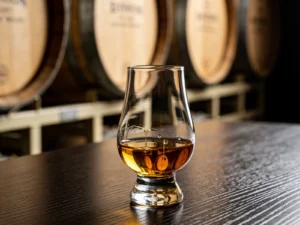
In a small glass as an aperitif or a digestif, at room temperature.
History
An Istrian recipe attributed to old Celtic-era herbal lore, revived by farmhouse distillers around Buzet.
Frequently asked questions
What is Biska?
Biska is a wine & spirit from Croatia: istrian grape brandy infused with mistletoe, herbal and slightly bitter. An Istrian recipe attributed to old Celtic-era herbal lore, revived by farmhouse distillers around Buzet.
How is Biska made?
Mistletoe gathered from oaks is steeped in grape brandy for weeks, sometimes with honey, then strained. The base spirit is distilled from grape pomace in a copper still, which is the part that requires equipment and a licence. It takes weeks of steeping on a distilled base.
Can I make Biska at home?
No, and the atlas gives no method for it. The base is a distilled spirit, and mistletoe is toxic — the berries especially — so the traditional dose is not something to work out by experiment.
What goes into Biska?
Loza — Istrian grape brandy, mistletoe, sometimes honey and other herbs.
How is Biska eaten?
In a small glass as an aperitif or a digestif, at room temperature.