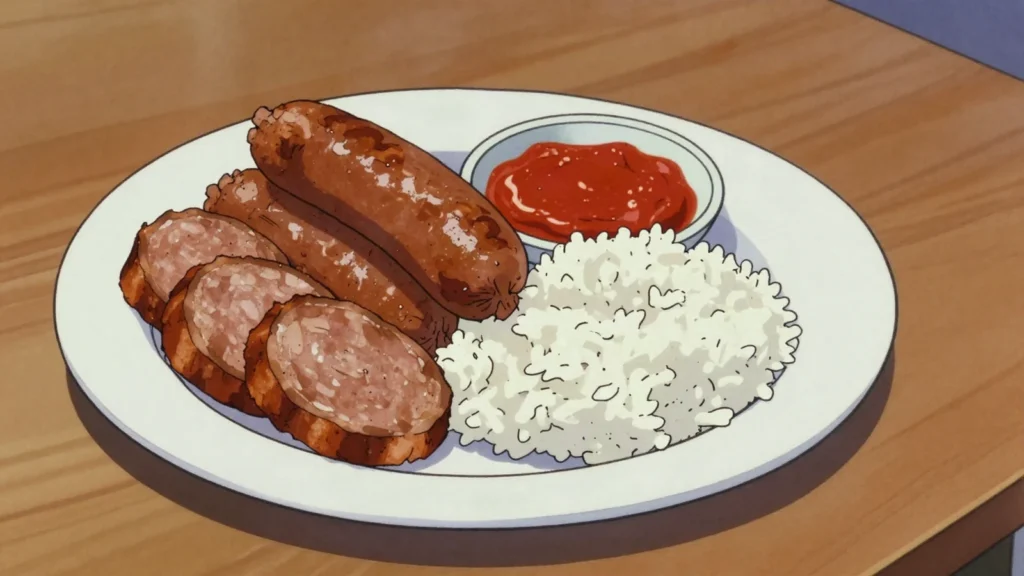

A Kedayan preserve of Brunei: beef and fat packed into intestine and left to sour in its own casing, then cut into thick slices and fried until the fat renders. It is pungent, rich and eaten in small amounts with rice.
Fermenting raw meat inside a sealed casing at ambient temperature is the exact condition Clostridium botulinum needs, and the traditional safety comes from a salt ratio and a climate that a home cook elsewhere cannot match.
What goes into it
- beef
- beef fat
- salt
- cleaned intestine for casing
How it is made
Chopped beef and a large proportion of fat are salted and packed tight into cleaned intestine, tied off and left at ambient temperature for days while the meat ferments and acidifies. It is stored in its own rendered fat and cut off as needed, then fried through before eating.
How long it takes: several days to ferment, then kept under fat
How it is eaten
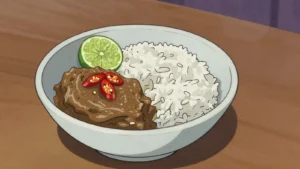
Sliced thick and fried until the edges crisp, with plain rice and sambal.
History
A Kedayan preserve of Brunei made from beef and fat packed into intestine and left to sour.
Frequently asked questions
What is Belutak?
Belutak is a charcuterie & cured from Brunei: fat beef sausage fermented in its own casing, then fried in thick slices. A Kedayan preserve of Brunei made from beef and fat packed into intestine and left to sour.
How is Belutak made?
Chopped beef and a large proportion of fat are salted and packed tight into cleaned intestine, tied off and left at ambient temperature for days while the meat ferments and acidifies. It is stored in its own rendered fat and cut off as needed, then fried through before eating. It takes several days to ferment, then kept under fat.
Can I make Belutak at home?
No, and the atlas gives no method for it. Fermenting raw meat inside a sealed casing at ambient temperature is the exact condition Clostridium botulinum needs, and the traditional safety comes from a salt ratio and a climate that a home cook elsewhere cannot match.
What goes into Belutak?
Beef, beef fat, salt, cleaned intestine for casing.
How is Belutak eaten?
Sliced thick and fried until the edges crisp, with plain rice and sambal.