
Ingredients
The pot
- 250 gpanela (unrefined cane sugar block), broken up
- 1.5 litreswater
- juice of 2 limes
- 1cinnamon stick (optional)
To serve, hot
- 200 gqueso campesino or a fresh salty white cheese, in cubes
- arepas or almojábanas
Directions
- Break the panela block into pieces with a knife or hammer — it is hard, and dropping it in whole means twenty minutes of waiting.
- Bring the water to a boil, add the panela and the cinnamon if using, and simmer 12–15 minutes, stirring now and then, until every piece has dissolved.
- Taste and adjust with water: it should be sweet but thin, closer to a hot drink than a syrup.
- Take off the heat and stir in the lime juice. Adding lime while it boils turns the flavour flat and slightly bitter.
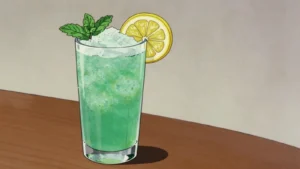
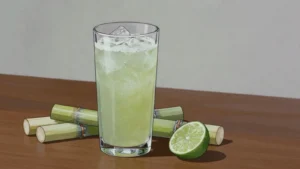
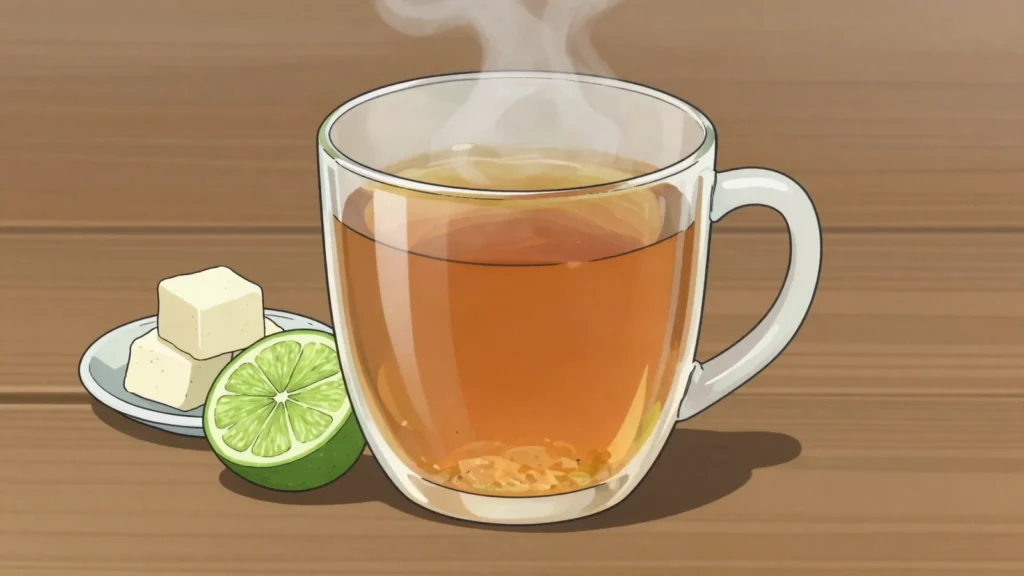
- Serve hot in mugs, with cubes of fresh cheese dropped in to soften and go stringy, or chilled over ice with more lime as a cold agua de panela.
Technique
- Panela is not interchangeable with white sugar and water: the molasses in it is the entire flavour.
- The cheese is not a garnish. It is dropped in, left to soften, and eaten with a spoon at the end.
Substitutions
- Dark muscovado or jaggery are the closest substitutes where panela is unavailable.
- Mozzarella cubes stand in for queso campesino, though they are milder.
Variations
- Aguapanela con leche, made with milk instead of half the water, given to children.
- Served with a shot of aguardiente stirred in, a mountain remedy for cold weather.
History
A drink made by dissolving panela, an unrefined whole cane sugar block, in hot or cold water, often with lime juice or cheese added, documented across Colombia for many generations as one of the country’s most essential and widely consumed traditional beverages, reflecting Colombia’s long agricultural history with sugarcane cultivation across many of its regions. Its use of panela specifically, rather than refined white sugar, gives aguapanela a distinctive, deeper caramel-like sweetness and reflects a broader Latin American tradition of using minimally processed whole cane sugar in traditional cooking and beverages. Aguapanela remains a staple drink across Colombia, commonly given to children, consumed during illness as a comforting remedy, and enjoyed as an everyday refreshment.
Frequently asked questions
What is Aguapanela?
Aguapanela is a drink from Colombia: hot or cold cane-sugar infusion with lime; often with cheese. A drink made by dissolving panela, an unrefined whole cane sugar block, in hot or cold water, often with lime juice or cheese added, documented across Colombia for many generations as one of the country’s most essential and widely consumed traditional beverages, reflecting Colombia’s long agricultural history with sugarcane cultivation across many of its regions. Its use of panela specifically, rather than refined white sugar, gives aguapanela a distinctive, deeper caramel-like sweetness and reflects a broader Latin American tradition of using minimally processed whole cane sugar in traditional cooking and beverages. Aguapanela remains a staple drink across Colombia, commonly given to children, consumed during illness as a comforting remedy, and enjoyed as an everyday refreshment.
How long does Aguapanela take to make?
Aguapanela takes 5 min of preparation and 15 min of cooking. The recipe makes 1.5 litres. It is rated easy to make.
What can I substitute in Aguapanela?
Yes, within limits. Dark muscovado or jaggery are the closest substitutes where panela is unavailable. Mozzarella cubes stand in for queso campesino, though they are milder.
What is the most important thing to get right in Aguapanela?
Panela is not interchangeable with white sugar and water: the molasses in it is the entire flavour.