
Ingredients
The flour
- 150 gkabubu
- pandanus flour, finely pounded
- sifted if it is coarse
- see the note on sourcing
The liquid
- 700 mlcoconut cream
- freshly squeezed if possible
- or 500 ml water
- plus 200 ml coconut cream
- or plain water alone
Sometimes added
- sugar, to taste
- or kamaimai, coconut toddy syrup
- a pinch of salt
- grated fresh coconut
- to scatter over
Equipment
- a wide bowl
- a whisk or a wooden spoon
- a fine sieve
- a coconut scraper, if using fresh
Directions
- Sift it through a fine sieve if it feels rough. Discard any hard fibrous bits left behind. Now prepare the coconut cream if using fresh.
- Crack a mature coconut and grate out the flesh. Put the grated coconut into a clean cloth. Add a little warm water to the grated flesh. The thick first pressing is the cream. Add more water and squeeze again for thinner milk.
- Shake the tin hard before you open it. Put the flour into a wide mixing bowl. Add a little liquid at first, not all of it. Work it into a smooth paste with no lumps. So build it up gradually from a thick paste.
- Pour it in a steady stream while whisking. Keep whisking until it is completely smooth. Let it stand for ten minutes and check again. Add more liquid if it has become too thick. Some drink it thin, like a thick milk. Salt is worth adding even in a sweet drink.
- Heat the mixture gently in a pan while stirring. Do not let it boil hard at any point. Warm it only until it steams gently. Stir constantly, because it catches on the base. The warm version is thicker and more filling.
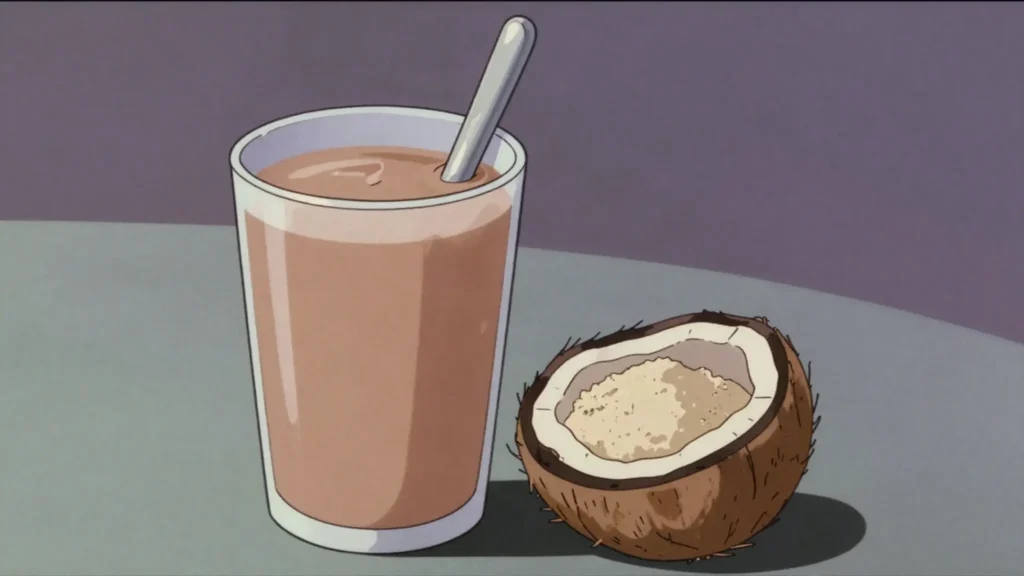
- Serve it in cups or in coconut shell bowls. Scatter fresh grated coconut over the top. Drink it slowly, because it is genuinely filling.
- Whisk it again if it has separated slightly. It keeps for a day covered in the refrigerator. Make only as much as you intend to drink. The dry kabubu flour itself keeps for months.
Technique
- Kabubu is pandanus fruit pulp that has been cooked, sun-dried into sheets called te tuae, and pounded to powder. It is a genuine long-term preservation system that carried atoll communities through droughts and fed long canoe voyages. The keeping quality is the entire point of it.
- There is no real substitute for pandanus flour and the atlas will not invent one. It is sold occasionally through Pacific grocers in New Zealand and Australia and by regional online sellers. Without it, read this entry as a record rather than a recipe.
- Build the mixture from a thick smooth paste and add liquid gradually. Tipping all the liquid in at once produces lumps that are very difficult to whisk out.
- Never boil the mixture. Coconut cream splits and turns grainy at a hard boil; warm it only until it steams.
- Sift hand-pounded kabubu if it feels coarse. The fibrous pieces do not soften and give the drink a gritty texture.
- A cup of te kabubu is genuinely filling and can stand in for a light meal. That energy density is exactly why it suited voyaging canoes.
Substitutions
- Water replaces coconut cream entirely for a plainer, lighter drink, which is how it is often made when coconut is short.
- Tinned coconut cream replaces freshly squeezed; shake the tin hard before opening it.
- Kamaimai, coconut toddy syrup, replaces sugar and is the traditional sweetener.
- The drink can be served warm or cold; both are made and neither is more correct.
- Grated fresh coconut scattered over the top adds texture and is a common finish.
Variations
- A thick version eaten with a spoon, closer to a porridge, is served as a meal rather than a drink.
- A warmed version is made in cooler weather and is noticeably more filling.
- Kabubu is also mixed into other dishes as a thickener and a sweetener rather than drunk on its own.
- Te tuae, the dried pandanus sheets before pounding, is eaten as a chewy sweet in its own right.
- Closely related pandanus preparations are made in Tuvalu, the Marshall Islands and across Micronesia under different names.
- Some households mix kabubu with grated breadfruit or with swamp taro for a denser dish.
History
Made from pandanus paste dried and pounded to powder, a voyaging and famine food of the Gilbert Islands.
Frequently asked questions
What is Te Kabubu?
Te Kabubu is a drink from Kiribati: pandanus flour whisked into water or coconut cream; sweet, malty and filling. Made from pandanus paste dried and pounded to powder, a voyaging and famine food of the Gilbert Islands.
How long does Te Kabubu take to make?
Te Kabubu takes 10 minutes of preparation and 5 minutes of cooking. The recipe makes serves 4. It is rated easy to make.
What can I substitute in Te Kabubu?
Yes, within limits. Water replaces coconut cream entirely for a plainer, lighter drink, which is how it is often made when coconut is short. Tinned coconut cream replaces freshly squeezed; shake the tin hard before opening it. Kamaimai, coconut toddy syrup, replaces sugar and is the traditional sweetener. The drink can be served warm or cold; both are made and neither is more correct. Grated fresh coconut scattered over the top adds texture and is a common finish.
What is the most important thing to get right in Te Kabubu?
Heat the mixture gently in a pan while stirring. Do not let it boil hard at any point. Warm it only until it steams gently. Stir constantly, because it catches on the base. The warm version is thicker and more filling.