
Brewed rice wine, served warm or chilled. Kōji-mould brewing is recorded by the Nara period; Nada and Fushimi became the great centres, and Edo-era filtering produced the clear sake drunk today.
It depends on a live kōji culture propagated in a temperature-controlled room, on rice polished by specialist machinery, and on a multiple parallel fermentation held to a temperature curve over weeks — and brewing alcohol at home is licensed or restricted in most of the atlas’s readership.
What goes into it
- rice, polished to remove the outer layers
- kōji — rice inoculated with Aspergillus oryzae
- yeast
- very pure water
How it is made
Rice is polished to strip away the protein and fat of the outer grain, washed, soaked and steamed. Part of it is inoculated with Aspergillus oryzae in a warm cedar room over two days to make kōji, which converts starch to sugar. Kōji, steamed rice, water and yeast are then combined in stages over four days, and saccharification and fermentation run simultaneously in the same tank for several weeks — a technique found nowhere else in brewing.
How long it takes: 45 to 60 days from polished rice to pressed sake
How it is eaten
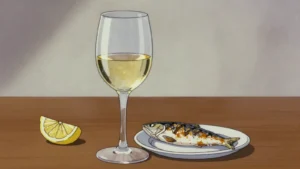
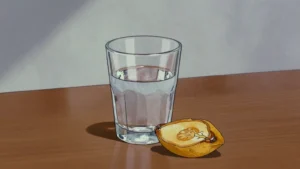
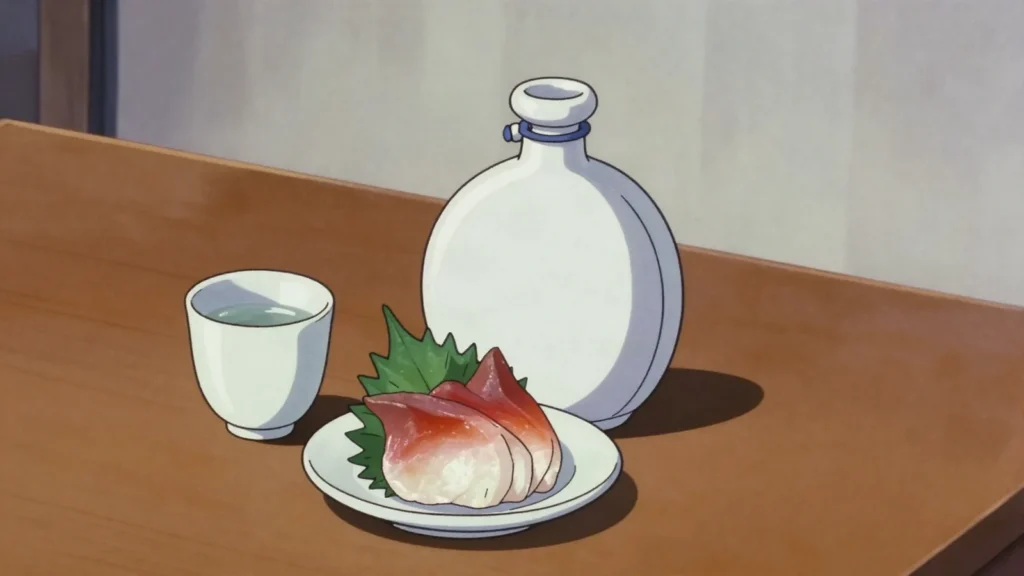
Chilled in a glass for a ginjō, warmed in a tokkuri for a fuller style, with sashimi or grilled fish.
History
Koji-mould brewing is recorded by the Nara period; Nada and Fushimi became centres, and Edo-era filtering produced the clear sake drunk today.
Frequently asked questions
What is Sake?
Sake is a wine & spirit from Japan: brewed rice wine served warm or chilled. Koji-mould brewing is recorded by the Nara period; Nada and Fushimi became centres, and Edo-era filtering produced the clear sake drunk today.
How is Sake made?
Rice is polished to strip away the protein and fat of the outer grain, washed, soaked and steamed. Part of it is inoculated with Aspergillus oryzae in a warm cedar room over two days to make kōji, which converts starch to sugar. Kōji, steamed rice, water and yeast are then combined in stages over four days, and saccharification and fermentation run simultaneously in the same tank for several weeks — a technique found nowhere else in brewing. It takes 45 to 60 days from polished rice to pressed sake.
Can I make Sake at home?
No, and the atlas gives no method for it. It depends on a live kōji culture propagated in a temperature-controlled room, on rice polished by specialist machinery, and on a multiple parallel fermentation held to a temperature curve over weeks — and brewing alcohol at home is licensed or restricted in most of the atlas’s readership.
What goes into Sake?
Rice, polished to remove the outer layers, kōji — rice inoculated with Aspergillus oryzae, yeast, very pure water.
How is Sake eaten?
Chilled in a glass for a ginjō, warmed in a tokkuri for a fuller style, with sashimi or grilled fish.