
Ingredients
What to buy
- Saison Dupont
- the reference bottle
- or Fantôme, Blaugies, Dieu du Ciel, Hill Farmstead
- bottle-conditioned, corked or capped
- see the note on why no method is given
To serve
- at 8 to 12 degrees
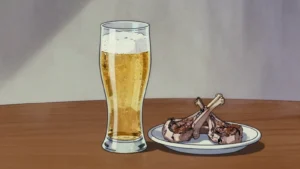
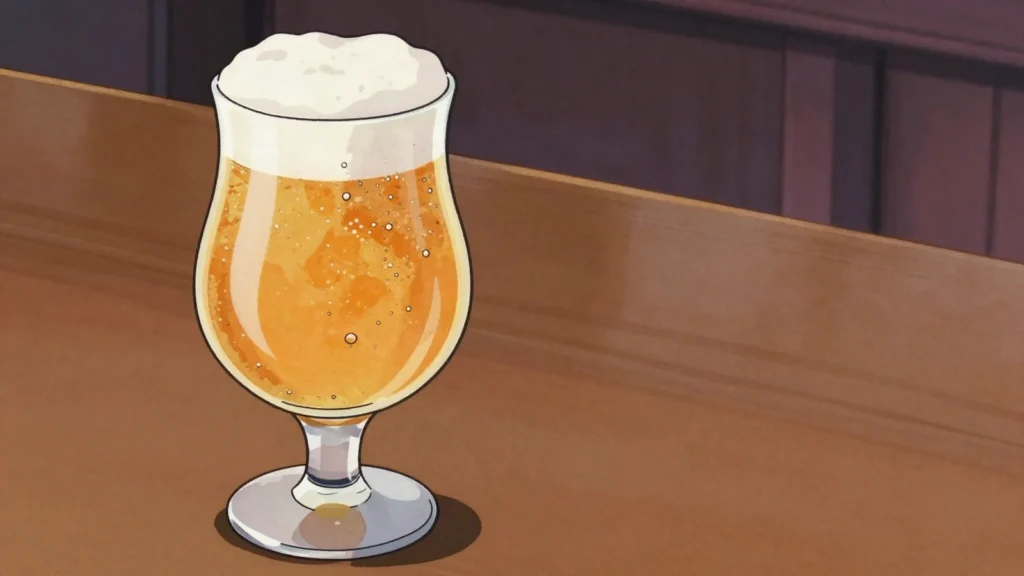
- in a goblet or a tulip glass
- opened carefully, see the safety note
- poured leaving the sediment behind
To eat with
- almost anything
- see the note
- roast chicken
- mussels
- goat’s cheese
- charcuterie
- spicy food
- salads and vegetables
Directions
- Warm weather brings the wrong organisms. So farms brewed in the cold and stored it.
- Chill it well before opening. Open it over a sink with a glass ready.
- Pour it into a large glass, not a small one.
- Pour steadily down the side, then straighten up at the end.
- Stand it upright, pour in one motion, leave the last centimetre. Cold hides the pepper and the citrus.
- Roast chicken. Anyone who needs to know should check with the brewery.
Technique
- The reason for no method here differs from the lambic and Trappist entries, and the atlas is explicit about it. Saison is a style rather than a brand, tied to no single place or microbe, and brewed worldwide — home brewing one is legal, safe and widely done. The omission is because brewing is a craft with its own equipment and literature: mashing, boiling, cooling, fermenting and conditioning, a hydrometer, a fermenter, an airlock and sanitiser, across weeks and many pages. That is a limitation of this atlas rather than a property of the beer.
- The farmhouse saison was weak. It was drunk in quantity by people doing hard physical work in the sun, was safer than water, and a strong beer would have been useless for that. Modern saisons often sit between six and eight percent, so the beer sold as saison today is not the beer the field workers drank — which is not a criticism of it, just a slightly rewritten story.
- It is very highly carbonated. Chill it well, open it over a sink with a glass ready, and point corks away from your face and anyone else — a warm bottle of saison will empty itself onto the floor, and that is not an exaggeration.
- Pour it into a large glass, not a small one. The head is enormous and a small glass overflows immediately. Pour steadily down the side, then straighten up at the end.
- The pepperiness is the yeast rather than added spice. People assume pepper is in the recipe and it usually is not — phenols produced by the yeast make it.
- It finishes bone dry because saison yeasts ferment further than most, eating sugars other strains leave behind. They also ferment warm, often above twenty-five degrees, which is deliberate. The Dupont strain is notorious for stalling partway through, and brewers raise the temperature to restart it.
- Serve it at eight to twelve degrees. Cold hides the pepper and citrus and makes an already fizzy beer harsher.
- It is close to a universal food beer, and that claim is true of this one: dry so it clashes with nothing, highly carbonated so it scrubs fat, peppery so it stands up to spice, and not heavily hopped so it does not fight the plate. It handles chilli where a sweet or heavily hopped beer does not.
- Stand it upright, pour in one motion and leave the last centimetre — though saison sediment is mild and many drinkers include it.
- It is best fresh, since its character is hop and yeast aromatics and both fade. Some strong or barrel-aged saisons do develop; the everyday bottle does not.
- Bière de garde is the French cousin from just across the border — maltier and rounder where saison is drier and sharper.
- Bitterness concentrates as a liquid reduces, though saison is not very bitter and forgives this better than most beers.
- Some beers are fined with isinglass, which comes from fish, though bottle-conditioned Belgian beers usually are not. Anyone who needs to know should check with the brewery.
- Do not drink alcohol if you are pregnant or driving.
Substitutions
- Bière de garde is the maltier French cousin.
- Any dry Belgian pale ale fills a similar place at a table.
- A dry sparkling cider works where saison would.
- Grisette is the lighter Hainaut farmhouse beer.
- Modern low-alcohol saisons are increasingly good.
- Sparkling water with lemon is the non-alcoholic parallel at a meal.
Variations
- Saison Dupont is the reference bottle.
- Grisette was the lighter mining-country counterpart.
- Bière de garde is the French farmhouse equivalent.
- Barrel-aged and Brettanomyces saisons are made by many small breweries.
- Fruited and spiced saisons are common in modern brewing.
- Table-strength saisons revive the original weak farmhouse beer.
History
Brewed on Hainaut farms in winter and stored for the saisonniers, the seasonal field workers, who were paid partly in beer.
Frequently asked questions
What is Saison?
Saison is a wine & spirit from Belgium: dry, peppery farmhouse ale, bottle-conditioned and highly carbonated. Brewed on Hainaut farms in winter and stored for the saisonniers, the seasonal field workers, who were paid partly in beer.
How long does Saison take to make?
Saison takes 5 minutes of preparation and none of cooking. The recipe makes buy by the bottle. It is rated easy to make.
What can I substitute in Saison?
Yes, within limits. Bière de garde is the maltier French cousin. Any dry Belgian pale ale fills a similar place at a table. A dry sparkling cider works where saison would. Grisette is the lighter Hainaut farmhouse beer. Modern low-alcohol saisons are increasingly good. Sparkling water with lemon is the non-alcoholic parallel at a meal.
What is the most important thing to get right in Saison?
The reason for no method here differs from the lambic and Trappist entries, and the atlas is explicit about it. Saison is a style rather than a brand, tied to no single place or microbe, and brewed worldwide — home brewing one is legal, safe and widely done. The omission is because brewing is a craft with its own equipment and literature: mashing, boiling, cooling, fermenting and conditioning, a hydrometer, a fermenter, an airlock and sanitiser, across weeks and many pages. That is a limitation of this atlas rather than a property of the beer.