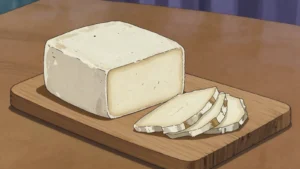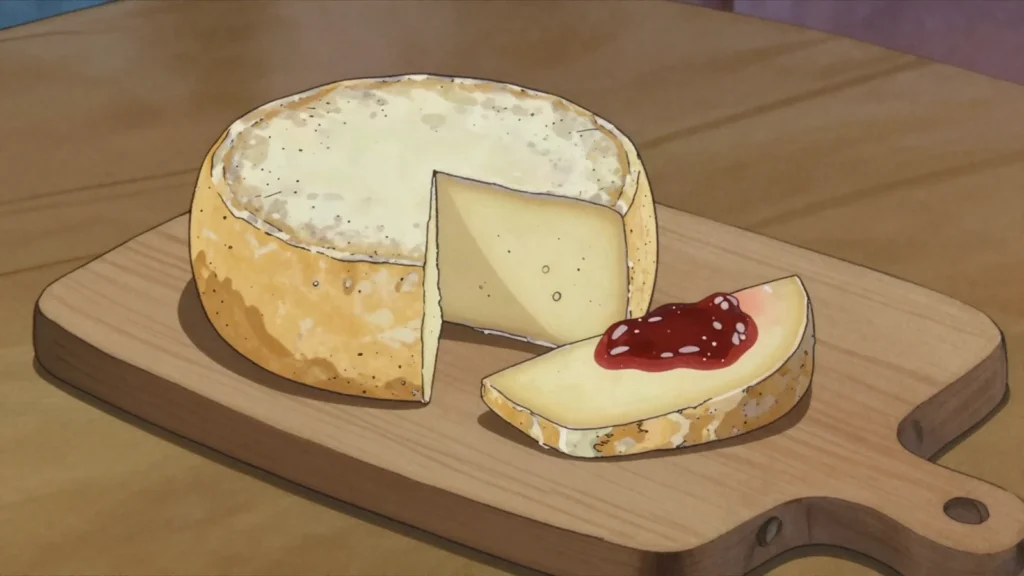

A raw-milk cow’s cheese from the Serra da Canastra in Minas Gerais, tangy and firm with a natural rind, made the same way since the 18th-century gold rush. Brazil listed Minas artisanal cheesemaking as intangible cultural heritage in 2008.
It is a raw-milk cheese carried by a farm’s own inherited whey culture and ripened for weeks in a controlled store, and the legal minimum maturation exists precisely because raw milk needs that time to become safe.
What goes into it
- raw cow’s milk, milked that morning
- pingo — whey saved from the previous day’s cheese
- rennet
- salt
How it is made
Morning milk is set with rennet and a spoonful of pingo, the whey drained off yesterday’s batch, which carries the farm’s own bacterial culture forward from day to day. The curd is cut, pressed by hand into a mould, salted on the surface and turned daily while it ripens on wooden shelves. The rind forms itself; the flavour comes from the pasture and from a culture particular to each farm.
How long it takes: 22 days minimum by law, often 60 or more
How it is eaten
With guava paste as Romeu e Julieta, on pão de queijo, or shaved over beans.
History
Made in the Serra da Canastra since the 18th-century gold rush; Brazil listed Minas artisanal cheesemaking as intangible heritage in 2008.
Frequently asked questions
What is Queijo Canastra?
Queijo Canastra is a cheese & dairy from Brazil: raw-milk cow’s cheese from Minas, tangy and firm, eaten with guava paste. Made in the Serra da Canastra since the 18th-century gold rush; Brazil listed Minas artisanal cheesemaking as intangible heritage in 2008.
How is Queijo Canastra made?
Morning milk is set with rennet and a spoonful of pingo, the whey drained off yesterday’s batch, which carries the farm’s own bacterial culture forward from day to day. The curd is cut, pressed by hand into a mould, salted on the surface and turned daily while it ripens on wooden shelves. The rind forms itself; the flavour comes from the pasture and from a culture particular to each farm. It takes 22 days minimum by law, often 60 or more.
Can I make Queijo Canastra at home?
No, and the atlas gives no method for it. It is a raw-milk cheese carried by a farm’s own inherited whey culture and ripened for weeks in a controlled store, and the legal minimum maturation exists precisely because raw milk needs that time to become safe.
What goes into Queijo Canastra?
Raw cow’s milk, milked that morning, pingo — whey saved from the previous day’s cheese, rennet, salt.
How is Queijo Canastra eaten?
With guava paste as Romeu e Julieta, on pão de queijo, or shaved over beans.