
Fortified Douro wine, aged as tawny in barrel or as ruby in bottle. It is shipped down from vineyards demarcated in 1756 by the Marquis of Pombal — the world’s first regulated wine region — and it was fortified in the first place for English merchants who needed it to survive the voyage.
It is a protected appellation grown on demarcated schist terraces, and the fortification is a licensed operation with a spirit that cannot be made without a licence.
What goes into it
- Touriga Nacional, Touriga Franca, Tinta Roriz and other Douro varieties
- grape spirit at 77 percent
- schist terraces
How it is made
The grapes are trodden or crushed and fermented on their skins, and part-way through — while a great deal of sugar remains — grape spirit is added. The alcohol kills the yeast and stops the fermentation dead, leaving the wine sweet and strong. Ruby ages briefly and finishes in bottle; tawny spends years or decades in cask, oxidising and losing colour.
How long it takes: two years minimum; tawny runs ten, twenty, forty years and more
How it is eaten
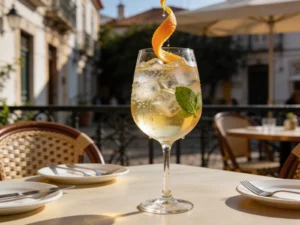
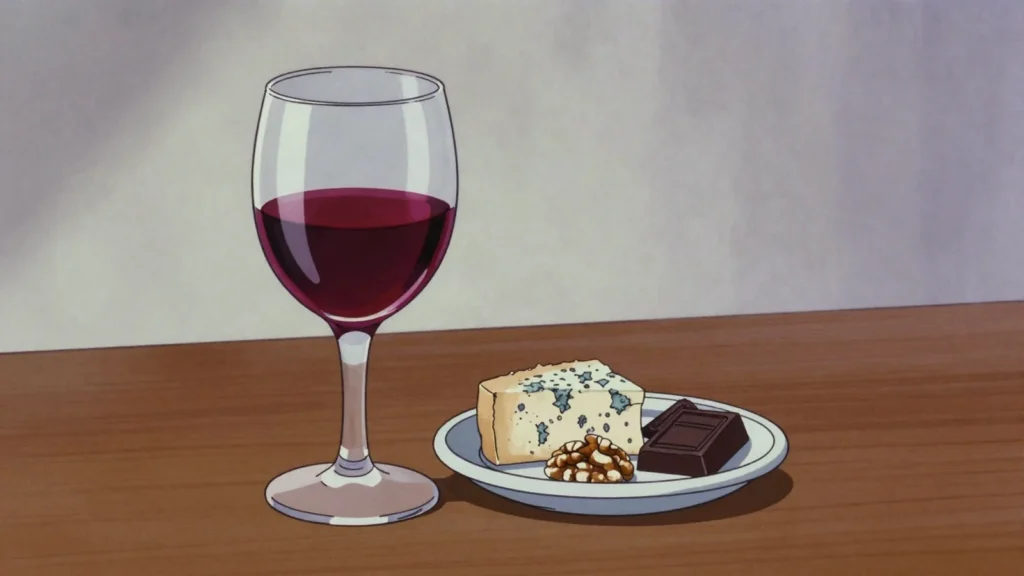
After dinner with blue cheese, walnuts and chocolate; white port cold with tonic.
History
Shipped down the Douro from vineyards demarcated in 1756 by the Marquis of Pombal, the world’s first regulated wine region, and fortified for English merchants.
Frequently asked questions
What is Port wine?
Port wine is a wine & spirit from Portugal: fortified Douro wine aged tawny or ruby. Shipped down the Douro from vineyards demarcated in 1756 by the Marquis of Pombal, the world’s first regulated wine region, and fortified for English merchants.
How is Port wine made?
The grapes are trodden or crushed and fermented on their skins, and part-way through — while a great deal of sugar remains — grape spirit is added. The alcohol kills the yeast and stops the fermentation dead, leaving the wine sweet and strong. Ruby ages briefly and finishes in bottle; tawny spends years or decades in cask, oxidising and losing colour. It takes two years minimum; tawny runs ten, twenty, forty years and more.
Can I make Port wine at home?
No, and the atlas gives no method for it. It is a protected appellation grown on demarcated schist terraces, and the fortification is a licensed operation with a spirit that cannot be made without a licence.
What goes into Port wine?
Touriga Nacional, Touriga Franca, Tinta Roriz and other Douro varieties, grape spirit at 77 percent, schist terraces.
How is Port wine eaten?
After dinner with blue cheese, walnuts and chocolate; white port cold with tonic.