
Ingredients
The pig
- 1young pig, 20–25 kg, cleaned, hair scraped, backbone split from the inside
- 300 grock salt
- 20 gblack peppercorns, cracked
Stuffing, Cebu style
- 3whole heads of garlic, crushed
- 10 stalkslemongrass (tanglad), bruised
- 6spring onions
- 4star anise
- 4bay leaves
- 2onions, quartered
For the skin
- 500 mlfresh coconut water, or evaporated milk, for basting
- 2 tbspsalt dissolved in 200 ml water
Kit
- 1bamboo or steel spit pole, 2.5 m
- 20 kglump charcoal
- wire, for sewing the cavity
Directions
- Rub the cavity hard with the rock salt and cracked pepper, pack it with the garlic, lemongrass, spring onion, star anise, bay and onion, then sew the belly shut tightly with wire. Air-dry the skin for at least an hour, uncovered.
- Turn it slowly and constantly, by hand or by motor, for the whole cook, 4–6 hours depending on size.
- Baste the skin with coconut water for the first 3 hours only, then stop entirely so the surface dries and crackles. A skewer into the shoulder should meet no resistance and run clear, and the deepest meat should read 75°C (165°F).
- Rest on the pole 20–30 minutes before carving, so the juices settle and the skin stays taut.
- Chop skin-side down with a heavy cleaver so the crackling stays crisp, and serve immediately. Cebu lechon needs nothing but its own juices; Luzon lechon comes with sarsa, a thick sweet-sour liver sauce.
Technique
- Every fiesta, wedding and Christmas in the Philippines is built around this animal, and the whole pig is a communal effort, turned by relatives in shifts.
- The skin blisters because the fat beneath renders while the surface stays bone dry. Any liquid in the last hour, including a drop of rain, gives leathery skin instead of glass.
- Keep the coals low and even and move them rather than the pig. Flames scorch the belly long before the shoulders are cooked.
- Cebu’s version, stuffed with lemongrass and star anise and served unsauced, is the one usually singled out as the country’s best.
Substitutions
- The honest home version is lechon liempo: a 2 kg slab of pork belly, skin scored, spread with the same garlic and lemongrass mix, rolled and tied, dried uncovered in the fridge overnight, roasted at 160°C (325°F) for 2 hours 30 minutes, then blasted at 240°C (475°F) for 20–30 minutes for crackling.
- No lemongrass: use plenty of spring onion, garlic and bay; the perfume will be flatter but the pig will still be right.
Variations
- Cebu lechon, aggressively stuffed and served with no sauce at all.
- Manila lechon, plainer in the cavity and served with liver sarsa.
- Lechon de leche, a 6–8 kg milk-fed piglet, done in about 2 hours 30 minutes, with far more crackling per person.
History
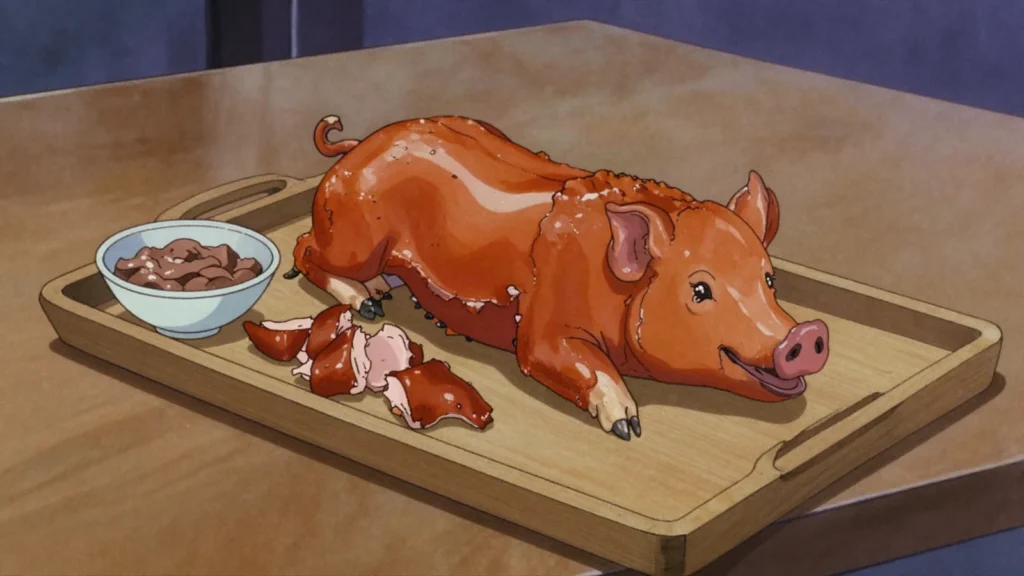
A whole roasted pig, slow-cooked over charcoal for hours while being turned continuously on a spit until the skin turns deeply crisp, brought to the Philippines through Spanish colonization beginning in the 1500s, since lechón, the Spanish word for a roasted suckling pig, is used across several former Spanish colonies for closely related dishes. Filipino cooks adapted the technique with local ingredients, commonly stuffing the cavity with lemongrass, garlic and other regional aromatics before roasting, distinguishing Filipino lechon from Spanish and Latin American versions of the same colonial-era dish. It carries strong ceremonial and celebratory significance across the Philippines, traditionally centerpiece food at major festivals, weddings and Christmas gatherings rather than everyday fare, with the crackling skin widely considered the dish’s most prized part.
Frequently asked questions
What is Lechon?
Lechon is a main from Philippines: whole spit-roasted pig with crackling skin, fiesta centerpiece. A whole roasted pig, slow-cooked over charcoal for hours while being turned continuously on a spit until the skin turns deeply crisp, brought to the Philippines through Spanish colonization beginning in the 1500s, since lechón, the Spanish word for a roasted suckling pig, is used across several former Spanish colonies for closely related dishes. Filipino cooks adapted the technique with local ingredients, commonly stuffing the cavity with lemongrass, garlic and other regional aromatics before roasting, distinguishing Filipino lechon from Spanish and Latin American versions of the same colonial-era dish. It carries strong ceremonial and celebratory significance across the Philippines, traditionally centerpiece food at major festivals, weddings and Christmas gatherings rather than everyday fare, with the crackling skin widely considered the dish’s most prized part.
How long does Lechon take to make?
Lechon takes 1 hr 30 min of preparation and 5 hr of cooking. The recipe makes serves 25–30. It is rated hard to make.
What can I substitute in Lechon?
Yes, within limits. The honest home version is lechon liempo: a 2 kg slab of pork belly, skin scored, spread with the same garlic and lemongrass mix, rolled and tied, dried uncovered in the fridge overnight, roasted at 160°C (325°F) for 2 hours 30 minutes, then blasted at 240°C (475°F) for 20–30 minutes for crackling. No lemongrass: use plenty of spring onion, garlic and bay; the perfume will be flatter but the pig will still be right.
What is the most important thing to get right in Lechon?
Turn it slowly and constantly, by hand or by motor, for the whole cook, 4–6 hours depending on size.