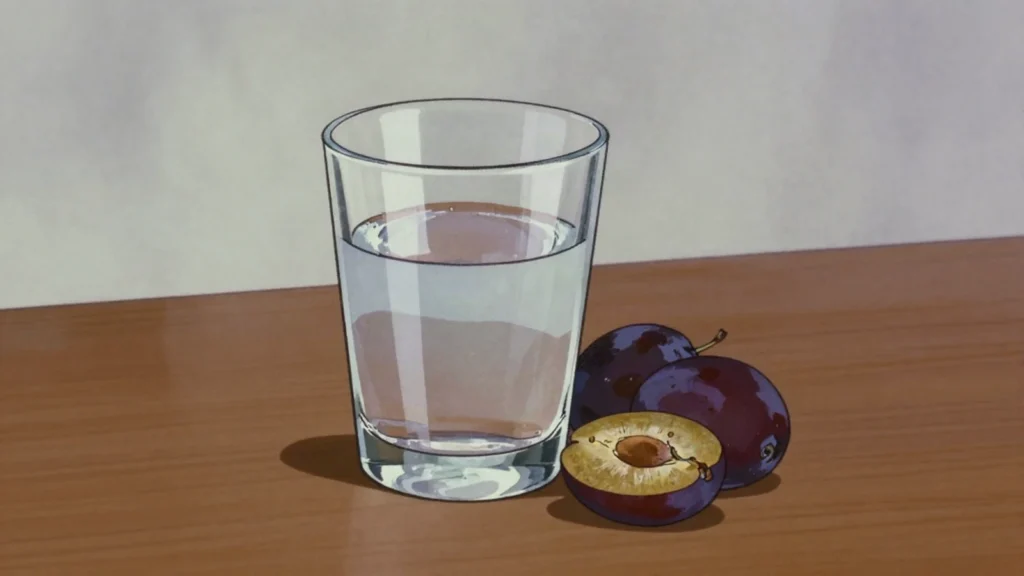

Double-distilled plum or apricot brandy from Transylvania and Maramureș, stronger than țuică and protected as a Romanian geographical indication.
Unlicensed distilling is a criminal offence, and the cut that separates drinkable spirit from methanol-bearing heads is precisely the step people get wrong when learning by trial.
What goes into it
- ripe plums, apricots, pears or apples
- nothing else
How it is made
The fruit is crushed and fermented on its own sugars for three to six weeks, then distilled twice in a copper still. The second run concentrates it well above țuică’s strength, and the distiller discards the volatile head and the weak tail. It rests in glass demijohns or wood for months to years.
How long it takes: weeks to ferment, then months to years resting
How it is eaten
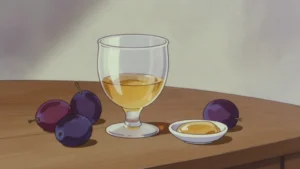
In a small glass at room temperature, before a meal or to welcome a guest.
History
Distilled twice to a higher strength than țuică in Transylvania and Maramureș, and protected as a Romanian geographical indication.
Frequently asked questions
What is Palincă?
Palincă is a wine & spirit from Romania: double-distilled plum or apricot brandy from Transylvania and Maramureș. Distilled twice to a higher strength than țuică in Transylvania and Maramureș, and protected as a Romanian geographical indication.
How is Palincă made?
The fruit is crushed and fermented on its own sugars for three to six weeks, then distilled twice in a copper still. The second run concentrates it well above țuică’s strength, and the distiller discards the volatile head and the weak tail. It rests in glass demijohns or wood for months to years. It takes weeks to ferment, then months to years resting.
Can I make Palincă at home?
No, and the atlas gives no method for it. Unlicensed distilling is a criminal offence, and the cut that separates drinkable spirit from methanol-bearing heads is precisely the step people get wrong when learning by trial.
What goes into Palincă?
Ripe plums, apricots, pears or apples, nothing else.
How is Palincă eaten?
In a small glass at room temperature, before a meal or to welcome a guest.