Ingredients
The dough
- 1 kgstrong white flour
- 650 mlwarm water
- 15 gfresh yeast
- or 7 g dried
- 20 gsalt
- 1 teaspoonsugar
To shape and bake
- flour, to dust
- a baking tray
- a hot oven
- a tray of water, for steam
To serve
- split open
- with butter
- or filled with curry
- or rougaille
The habit
- bought fresh twice a day
- morning and afternoon
Directions
- Steam in the first minutes matters. It keeps the crust soft while the loaf rises. Steam prevents exactly that problem. About sixty-five per cent water is right. Add the teaspoon of sugar to it. Let it stand for a good ten minutes. The yeast should foam visibly. Use warm rather than hot water. Hot water kills the yeast outright. Put the flour in a large bowl. Add the salt to one side of it.
- Salt kills yeast on direct contact. Keep them apart until the water goes in. Put the salt on the opposite side. Mixing it is straightforward enough. Add the yeast mixture and the rest of the water. Bring it together into a rough dough.
- Turn it out and knead it properly. Give it a good ten full minutes. Put the dough in an oiled bowl. Cover it and leave it somewhere warm. Give it about ninety full minutes.
- Press the air out of the dough. Press it gently rather than pounding it. Divide the dough into even pieces. Weigh them if you want them even. Keep them all the same for even baking. Shape each piece into a tight ball. Roll it under a cupped hand on the surface. Set them out on a floured tray. Cover them and leave them to rise. Give them about forty-five minutes.
- Leave good wide gaps between them. Heat the oven to two hundred and thirty degrees. Put a tray in the bottom to heat. Bread needs a genuinely hot oven. Preheat it properly and fully. Give it a good twenty minutes. Slash the top of each roll with a blade. Use a very sharp thin razor blade. Slash it quickly and confidently. About a centimetre deep is right.
- Pour hot water into the hot bottom tray. Water on a hot tray makes a burst of steam. Stand back and close the door fast. Never lean out over the hot tray. Bake them for about twenty minutes. Twenty minutes is usually enough.
- Lift them out onto a wire rack. Let them cool at least a little. Cutting it hot gives a gummy crumb. Fill them with curry or butter. Refresh them briefly in a hot oven.
Technique
- Steam in the first minutes is what makes the crust: it keeps the surface soft while the loaf expands fully, and the crust crisps once the steam goes. A dry oven sets the crust immediately and the loaf comes out dense and small. Pour hot water into a preheated bottom tray and close the door at once — the burst of steam is genuinely hot, so stand back and never lean over it.
- This is a lean dough of flour, water, yeast and salt with no fat or milk, which is what gives the crisp crust and also why it stales within hours — hence buying it fresh twice a day, which is a genuine Mauritian routine rather than a preference.
- Keep the salt on the opposite side of the bowl from the yeast until the water goes in, since salt kills yeast on direct contact, and use warm rather than hot water, which kills it outright.
Substitutions
- Dried yeast stands in for fresh at about half the weight; let it foam in warm sugared water for ten minutes first, which shows it is alive.
- Slash the top of each roll about a centimetre deep with a very sharp blade, which gives the rapidly expanding loaf a place to open rather than bursting at a weak point.
Variations
- It descends from the French colonial baguette but became a small round roll locally, a shape that suits splitting and filling — it is Mauritian rather than French now.
- Shape each piece by rolling it under a cupped hand to build surface tension, which is what gives a good rise; a slack ball spreads flat.
- Tap the bottom of a baked loaf — it should sound hollow, where a dull thud means it needs longer.
History
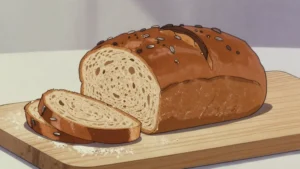
Mauritius’s everyday bread, descended from the French colonial baguette and split open to hold curry or butter.
Frequently asked questions
What is Pain maison?
Pain maison is a bread & pastry from Mauritius: small round crusty loaf bought fresh twice a day. Mauritius’s everyday bread, descended from the French colonial baguette and split open to hold curry or butter.
How long does Pain maison take to make?
Pain maison takes 30 minutes plus rising of preparation and 20 minutes of cooking. The recipe makes about 12 small loaves. It is rated medium to make.
What can I substitute in Pain maison?
Yes, within limits. Dried yeast stands in for fresh at about half the weight; let it foam in warm sugared water for ten minutes first, which shows it is alive. Slash the top of each roll about a centimetre deep with a very sharp blade, which gives the rapidly expanding loaf a place to open rather than bursting at a weak point.
What is the most important thing to get right in Pain maison?
Steam in the first minutes matters. It keeps the crust soft while the loaf rises. Steam prevents exactly that problem. About sixty-five per cent water is right. Add the teaspoon of sugar to it. Let it stand for a good ten minutes. The yeast should foam visibly. Use warm rather than hot water. Hot water kills the yeast outright. Put the flour in a large bowl. Add the salt to one side of it.