
Ingredients
Fish
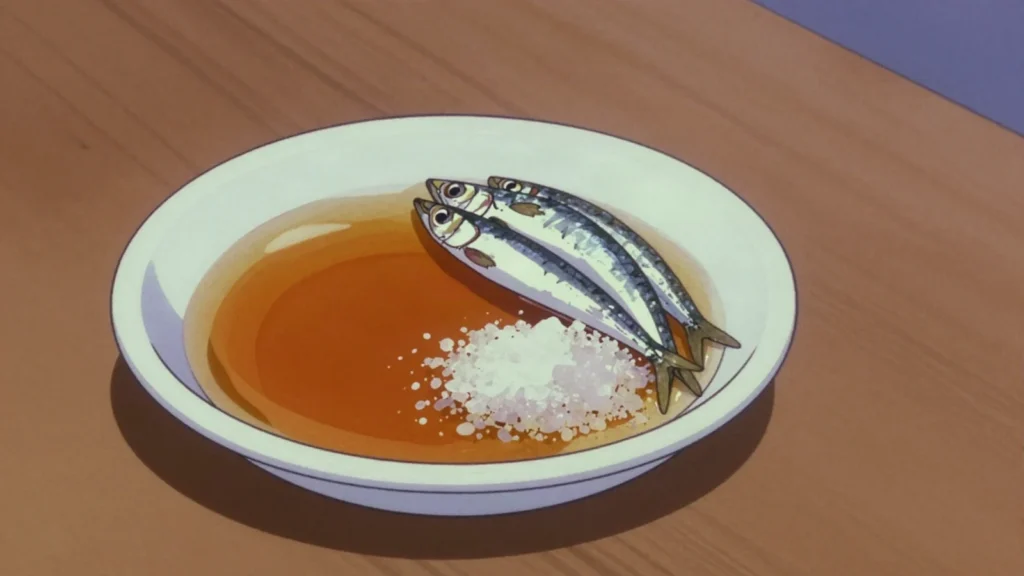
- 3 kgfresh whole anchovies, or other small oily fish
Salt
- 1 kgcoarse sea salt, non-iodised
Equipment
- a food-grade fermenting vessel with a lid
- a wooden or ceramic weight
- muslin, for straining
Note
- this takes a year and must be watched throughout
Directions
- Use coarse non-iodised sea salt. They must be genuinely fresh, ideally caught the same day. Rinse them briefly in seawater or salted water only. Scald the fermenting vessel with boiling water and dry it.
- Put a layer of salt across the bottom. Add a layer of fish, packed closely. Cover them with a generous layer of salt. Continue alternating fish and salt.
- Finish with a thick layer of salt on top. Weighing it down keeps everything submerged. Set a clean wooden or ceramic weight on top of the fish. That liquid must cover everything completely.
- Cover the vessel and keep it somewhere warm. Leave it for twelve months at minimum. Check the vessel every few weeks. Skim off any surface scum that forms.
- Top up with brine if the level drops. The liquid should gradually clear and turn amber. Discard the entire batch if you see fuzzy mould. Discard it if it smells putrid or of ammonia rather than fishy.
- Discard it if the liquid turns pink, slimy or gassy. Do not taste anything you are unsure about. Strain it through several layers of muslin. Strain it again if it is still cloudy. It should be clear amber and should smell savoury rather than rotten.
- Pour it into sterilised bottles and seal them. It keeps almost indefinitely because of the salt. Add it a little at a time and taste as you go.
Technique
- Do not reduce the salt; under-salted fish ferment is a genuine botulism risk.
- The fish are used whole and ungutted, since the gut enzymes drive the fermentation.
- Discard the whole batch if it moulds, smells of ammonia, or turns pink or slimy.
Substitutions
- A good commercial bottle, which almost everyone should use.
- Any small oily fish in place of anchovies.
Variations
- The first draw, bottled alone as a premium sauce.
- A second brining of the solids for a weaker sauce.
- Vegetarian versions made from fermented soy or pineapple.
History
Anchovies are layered with salt in vats and pressed for a year; Thailand became the world’s largest fish sauce exporter in the twentieth century.
Frequently asked questions
What is Nam Pla?
Nam Pla is a sauce & condiment from Thailand: clear amber fish sauce from salted anchovies, the salt of the Thai kitchen. Anchovies are layered with salt in vats and pressed for a year; Thailand became the world’s largest fish sauce exporter in the twentieth century.
How long does Nam Pla take to make?
Nam Pla takes 1 hour of preparation and 12 months of cooking. The recipe makes about 1 litre. It is rated hard to make.
What can I substitute in Nam Pla?
Yes, within limits. A good commercial bottle, which almost everyone should use. Any small oily fish in place of anchovies.
What is the most important thing to get right in Nam Pla?
Use coarse non-iodised sea salt. They must be genuinely fresh, ideally caught the same day. Rinse them briefly in seawater or salted water only. Scald the fermenting vessel with boiling water and dry it.