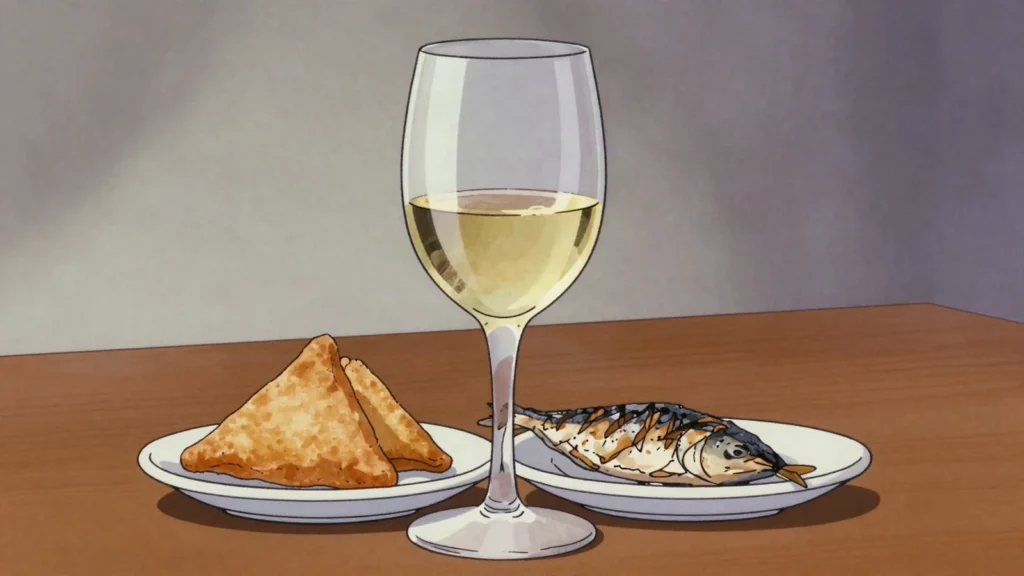

A dry aromatic white muscat from Cap Bon and Tunisia’s most exported wine. Cap Bon vines date to Carthage, whose agronomist Mago wrote a farming manual the Roman Senate had translated; the modern appellation system dates from the 1950s.
Wine is grown, not cooked, and made in a licensed cellar under a Tunisian appellation.
What goes into it
- Muscat d’Alexandrie grapes
- yeast
How it is made
The grapes are picked early on the Cap Bon peninsula, where the sea breeze holds the temperature down, and pressed and fermented cool off the skins. The fermentation is taken fully dry, which is unusual for muscat, so the wine smells intensely of the grape and tastes bone dry.
How long it takes: one vintage a year
How it is eaten
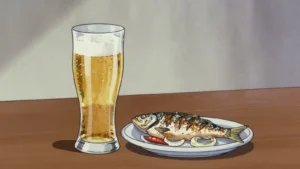
Very cold with grilled fish, brik and salads.
History
Cap Bon vines date to Carthage, whose agronomist Mago wrote a farming manual the Roman Senate had translated; the modern appellation system dates from the 1950s.
Frequently asked questions
What is Muscat de Kelibia?
Muscat de Kelibia is a wine & spirit from Tunisia: dry aromatic white muscat from Cap Bon, Tunisia’s most exported wine. Cap Bon vines date to Carthage, whose agronomist Mago wrote a farming manual the Roman Senate had translated; the modern appellation system dates from the 1950s.
How is Muscat de Kelibia made?
The grapes are picked early on the Cap Bon peninsula, where the sea breeze holds the temperature down, and pressed and fermented cool off the skins. The fermentation is taken fully dry, which is unusual for muscat, so the wine smells intensely of the grape and tastes bone dry. It takes one vintage a year.
Can I make Muscat de Kelibia at home?
No, and the atlas gives no method for it. Wine is grown, not cooked, and made in a licensed cellar under a Tunisian appellation.
What goes into Muscat de Kelibia?
Muscat d’Alexandrie grapes, yeast.
How is Muscat de Kelibia eaten?
Very cold with grilled fish, brik and salads.