
Ingredients
The batter
- 400 grice flour
- 100 gplain flour
- 100 gsugar
- 7 gdried yeast
- 1/2 teaspoonsalt
- about 450 ml warm water
- or warm coconut milk
Sometimes added
- 1egg
- a little vanilla
- a pinch of grated nutmeg
To cook
- a dimpled cast-iron pan
- with hemispherical moulds
- oil, for the moulds
- charcoal or a burner
To serve
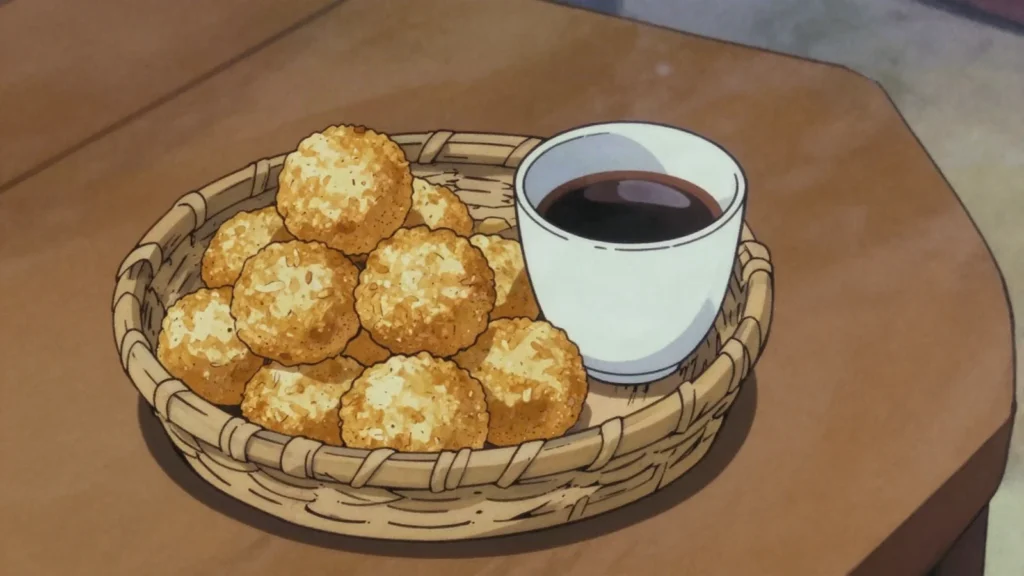
- hot, by the bagful
- with sweet coffee
- at a roadside stall
Directions
- Warm the water or coconut milk gently. Stir the yeast and a spoon of sugar in. Let it stand until it foams up. Give it about ten minutes to foam. Put both flours in a large bowl. Add the sugar and the salt to them.
- Stir them together thoroughly. The two flours must be evenly combined. Whisk them together before adding liquid. Pour in the foaming yeast liquid. Whisk it into a smooth batter. It should be a thick pourable batter. Add more liquid if it is too stiff.
- Whisk it until it is entirely smooth. Lumps of rice flour do not break down. Cover the bowl over with a cloth. Leave it somewhere warm to rise. Give it at least one full hour.
- Set the dimpled pan over the heat. Let it get properly hot right through. Cast iron takes time to heat through. Brush each hollow well with oil. Brush every hollow rather than some. Use a brush rather than pouring it. Pour the batter into each hollow. Fill them almost right to the top.
- Fill them nearly full rather than half. The batter needs to dome over the top. Let them cook until the edges set. Give them about two full minutes. Flip it over in its own hollow.
- Lift one edge and roll it over. The wet top folds underneath as you do. Turn them too early and the batter runs. Turn them too late and they will not fold. Let them cook for two more minutes. Turn them again if they need it. Judging them takes a careful look. Break one of them open to check. The inside should be light and cooked.
- Cook them for longer if it is. Removing them is straightforward enough. Lift them all out with a skewer. Set them on a rack or in a basket. Brush the hollows with oil again. Heat oil in a deep heavy large pot.
- Drop spoonfuls of batter into it. A deep pot of hot oil is genuinely dangerous. Keep a lid nearby to smother a flare-up. Never put water on an oil fire at all. Keep children well away from the pot. Frying them takes a few minutes.
- Turn them with a slotted spoon. Serving them is always done hot. Scoop them into small paper bags. Serve strong sweet coffee alongside. They are best within the first hour.
Technique
- The batter is poured almost to the top of each oiled hollow so it domes over, and turned once the edges set but the top is still wet: lift one edge with a skewer and roll it over, so the wet top folds underneath and cooks into the second half of the ball. Too early and the batter runs, too late and it will not fold — watch the first batch closely.
- Re-oil every hollow between batches, since the oil burns off during cooking and the next batch sticks fast without it.
- A takoyaki or aebleskiver pan is the same shape and widely available. Failing that, spoonfuls of the batter deep-fried make rough balls — richer and less neat, but close.
Substitutions
- Warm coconut milk in place of water enriches the batter.
- The same pan makes mofo gasy, which is left flat rather than turned and comes out as a round cake.
Variations
- Menakely and mofo akondro are the other members of the same fried bread family.
- Whisk the batter entirely smooth, since lumps of rice flour do not break down and cook badly in the moulds.
- They are scooped into paper bags and sold hot with strong sweet coffee.
History
Cooked in a cast-iron pan of hemispherical moulds set over charcoal, the same pan used for mofo gasy, and sold hot by the bagful.
Frequently asked questions
What is Mofo baolina?
Mofo baolina is a street food from Madagascar: balls of sweet rice-flour batter fried in dimpled pans at roadside stalls. Cooked in a cast-iron pan of hemispherical moulds set over charcoal, the same pan used for mofo gasy, and sold hot by the bagful.
How long does Mofo baolina take to make?
Mofo baolina takes 20 minutes plus rising of preparation and 25 minutes of cooking. The recipe makes about 30 balls. It is rated medium to make.
What can I substitute in Mofo baolina?
Yes, within limits. Warm coconut milk in place of water enriches the batter. The same pan makes mofo gasy, which is left flat rather than turned and comes out as a round cake.
What is the most important thing to get right in Mofo baolina?
Stir them together thoroughly. The two flours must be evenly combined. Whisk them together before adding liquid. Pour in the foaming yeast liquid. Whisk it into a smooth batter. It should be a thick pourable batter. Add more liquid if it is too stiff.