
Ingredients
The sweet potatoes
- 2 kgsweet potatoes
- scrubbed, skins on
- water, for boiling
- a little salt
To roast instead
- hot ash and embers
- or a hot oven
Sometimes served with
- butter or margarine
- peanut butter
- salt
To serve
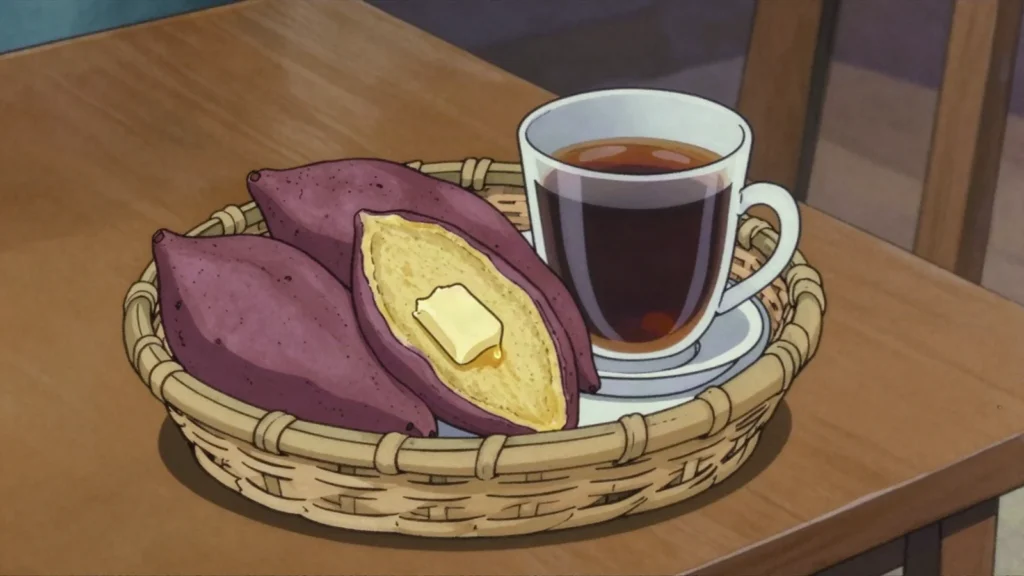
- hot, with black tea
- at breakfast
- in winter
Directions
- Rinse them under running water. Discard any that are soft or damaged. Cut out any dark rotten patches. Put the whole potatoes in a large pot.
- Cover them well with cold water. Add a little salt to the water. Cut ones leach sweetness into the water.
- Cook them whole where you can. Cooking them takes about half an hour. Bring the whole pot up to a boil. Give them about thirty minutes. Take them off as soon as they are tender. Draining them is straightforward enough.
- Drain them all very thoroughly. Return them to the hot dry pot. Let them steam dry for a minute. Steaming dry drives off surface water.
- Let them cook for about an hour. A hot oven does much the same job. Roast them at two hundred degrees. Give them about one full hour.
- Squeeze one gently with a cloth. It should give easily under the pressure. Brush the ash off the roasted potatoes. Wipe them over with a dry cloth.
- Pile them into a bowl or a basket. Serve hot black tea alongside. Split a hot potato right open. Put a knob of butter down into it. Let it melt right into the flesh. Spread peanut butter on the hot flesh. It is done in many households.
Technique
- Sweet potatoes can be left in the soil for weeks after maturing and dug as the household needs them, which avoids the space, protection and pest problems of any store — a genuinely practical arrangement, though weevils, rot and heavy rain get to them eventually, so it is weeks rather than months.
- Slow roasting tastes noticeably sweeter than boiling because enzymes in the potato convert starch to sugar and slow heat gives them more time to act; a dark sticky patch where sugar has bubbled out and caramelised is a good sign.
- Boil them whole rather than cut, since cut ones leach their sweetness into the water, and steam them dry in the hot pot for a minute after draining for a much better texture.
Substitutions
- A hot oven at two hundred degrees for an hour stands in for ash roasting, though it is less smoky.
- Butter or peanut butter in the split hot flesh is a common addition; say clearly if peanut has gone on, since the allergy can be severe.
Variations
- White and cream-fleshed varieties are drier and more floury than orange ones, which are moister and sweeter.
- Most are eaten entirely plain, with the sweetness carrying them on their own.
- It is eaten at breakfast with strong sweet black tea through the dry Zimbabwean winter.
History
A winter breakfast in rural Zimbabwe, where sweet potatoes store in the ground and are dug as needed.
Frequently asked questions
What is Mbambaira?
Mbambaira is a breakfast from Zimbabwe: sweet potatoes boiled or roasted, eaten hot with tea. A winter breakfast in rural Zimbabwe, where sweet potatoes store in the ground and are dug as needed.
How long does Mbambaira take to make?
Mbambaira takes 10 minutes of preparation and 45 minutes of cooking. The recipe makes serves 6. It is rated easy to make.
What can I substitute in Mbambaira?
Yes, within limits. A hot oven at two hundred degrees for an hour stands in for ash roasting, though it is less smoky. Butter or peanut butter in the split hot flesh is a common addition; say clearly if peanut has gone on, since the allergy can be severe.
What is the most important thing to get right in Mbambaira?
Rinse them under running water. Discard any that are soft or damaged. Cut out any dark rotten patches. Put the whole potatoes in a large pot.