
Ingredients
Raw material
- Albanian white wine grapes, mainly Shesh i Bardhë and Debinë from the Durrës and Berat plains
- base wine of 8 to 10 percent alcohol, unsulphured and dry
Distillation and ageing
- copper pot or column stills
- heart cut of roughly 68 to 72 percent alcohol
- Albanian oak and imported oak casks of 300 to 600 litres
- demineralised water for reduction
- a small dose of caramel and oak infusion for colour adjustment, as permitted for brandy
To serve
- 50 mlSkënderbeu at room temperature
- a tulip-shaped brandy glass or a small tumbler
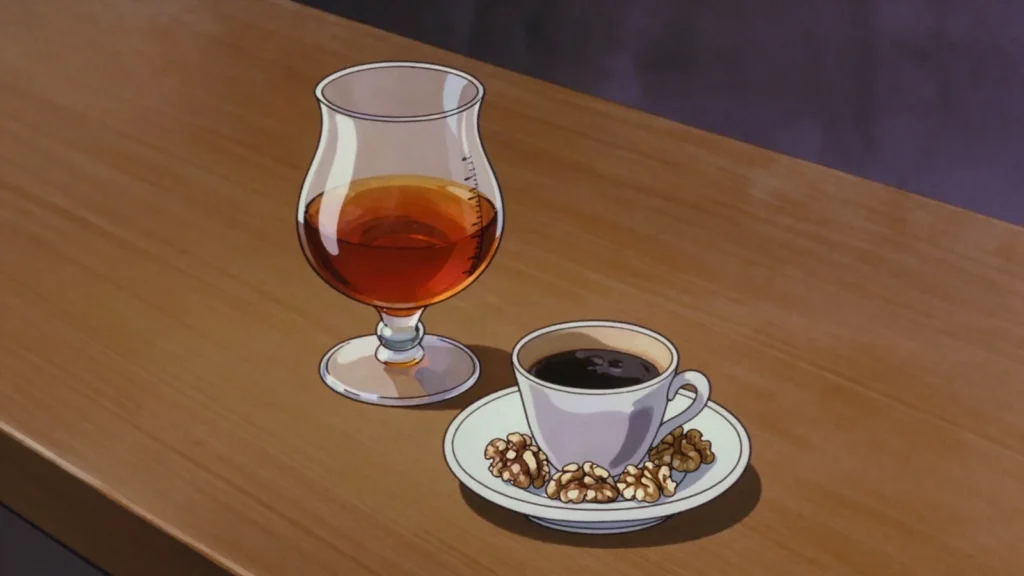
- Turkish coffee and a plate of walnuts alongside
Directions
- White grapes are harvested and pressed, and the juice fermented dry to a thin, high-acid base wine of 8 to 10 percent alcohol, deliberately low in alcohol and free of sulphur so the still runs clean.
- The base wine is distilled, in copper stills at the Gjergj Kastrioti Skënderbeu works in Durrës, first to a low wine of about 30 percent and then a second time.
- The distiller cuts the second run into three: the volatile heads are discarded, the heart is collected at roughly 68 to 72 percent alcohol, and the oily tails are set aside for redistillation. The cut points decide the whole character of the brandy.
- The clear spirit goes into oak casks and rests in a temperate cellar for a minimum of three years, with the standard bottling drawn at around five and the reserve at seven or more.
- During ageing the spirit takes colour and vanillin from the wood and loses 2 to 4 percent a year to evaporation, concentrating what stays behind.
- Casks of different ages are blended to a consistent house style, then reduced slowly with demineralised water to 38 to 41 percent alcohol over several weeks, so the spirit does not turn soapy.
- The blend is chilled, filtered, rested a few more months to marry, and bottled.
- Serve neat at room temperature in a tulip glass, 50 ml, warmed in the hand rather than over a flame, after dinner with coffee. It shows dried fig, vanilla, orange peel and a warm woody finish.
Technique
- Konjak Skënderbeu has been made in Durrës since 1933 and is the best known Albanian spirit abroad. It is legally a brandy: the name konjak is the local usage, and it cannot be sold as Cognac in the European Union.
- It is a grape brandy, so it is not the same drink as raki, which in Albania is usually a single distillation of grape pomace or fruit and is drunk unaged.
- Distilling spirits at home is illegal without a licence in most countries and dangerous without proper cut control, since the heads carry methanol and volatile esters. There is no honest domestic version of this bottle.
Substitutions
- If you cannot find it, a young VS Cognac or a Greek Metaxa five star sits closest in sweetness, oak and strength.
- For cooking, where it is used to flambé and to soak cakes, any grape brandy of 38 percent or more behaves the same way.
Variations
- The seven star reserve bottling is aged longer and drunk on its own rather than with coffee.
- Albanians often use it in the syrup for shendetlie and baklava, a tablespoon per litre, for a warm background note.
History
Produced in Korçë since 1933 and named after the fifteenth-century national hero Skanderbeg.
Frequently asked questions
What is Konjak Skenderbeu?
Konjak Skenderbeu is a wine & spirit from Albania: amber Albanian grape brandy aged in oak, drunk after dinner. Produced in Korçë since 1933 and named after the fifteenth-century national hero Skanderbeg.
How long does Konjak Skenderbeu take to make?
Konjak Skenderbeu takes n/a, produced at the distillery of preparation and 5 to 7 years in oak of cooking. The recipe makes 1 bottle, 700 ml, about 14 measures. It is rated hard to make.
What can I substitute in Konjak Skenderbeu?
Yes, within limits. If you cannot find it, a young VS Cognac or a Greek Metaxa five star sits closest in sweetness, oak and strength. For cooking, where it is used to flambé and to soak cakes, any grape brandy of 38 percent or more behaves the same way.
What is the most important thing to get right in Konjak Skenderbeu?
The distiller cuts the second run into three: the volatile heads are discarded, the heart is collected at roughly 68 to 72 percent alcohol, and the oily tails are set aside for redistillation. The cut points decide the whole character of the brandy.