
Ingredients
Infusion
- 1 kgsour cherries (ginja), stems removed
- 1 litreaguardente or brandy, 40%
- 500 gsugar
- 1cinnamon stick
- a strip of lemon peel, optional
To serve
- small glasses, or edible chocolate cups
Directions
- Use sour cherries, not sweet ones. Ginja are small, tart and firm, and a sweet dessert cherry gives a flat, cloying liqueur.
- Wash and dry the cherries and pull off the stems, but leave the stones in. The stones give ginjinha its faint almond note over the months of steeping — this is the same principle as maraschino.
- Prick each cherry once with a needle so the spirit can get into the flesh, or lightly crush a handful of them.
- Layer the cherries and sugar in a large clean jar with the cinnamon and lemon peel, then pour over the aguardente.
- Seal and keep somewhere dark, shaking gently once a week for the first month until the sugar has dissolved.
- Leave at least three months. It is drinkable at one but the colour and flavour go on deepening, and Lisbon houses commonly leave it far longer.
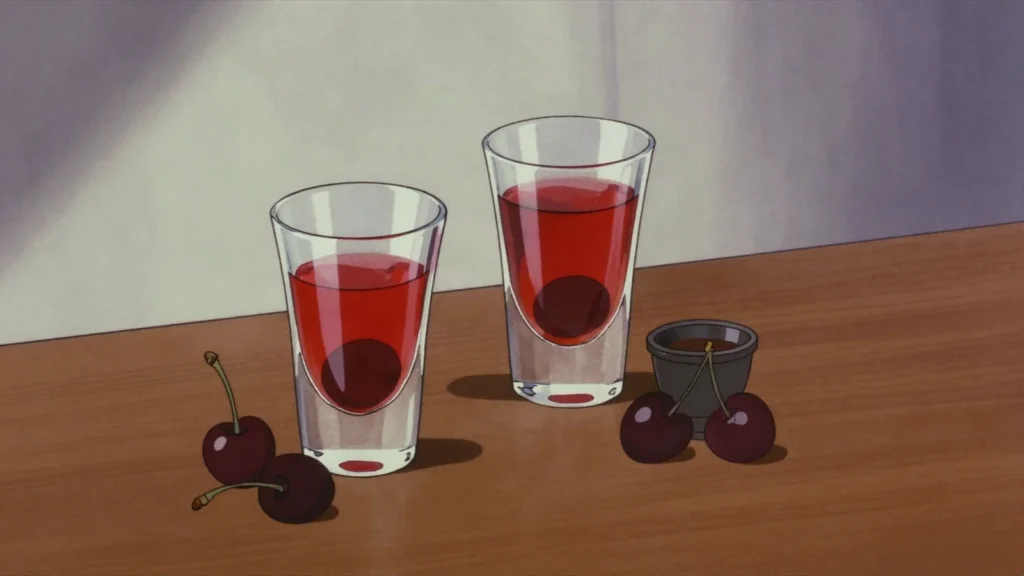
- Strain into bottles, keeping the cherries. Serve in small glasses with or without a cherry in the bottom — com ou sem elas, which is the only question anyone is asked at a Lisbon ginjinha bar.
- The steeped cherries are eaten too, and are potent.
Technique
- Leave the stones in and give it months. Both are what make it taste of ginjinha rather than cherry syrup.
- Dark and undisturbed. Light bleaches the colour out.
- The cherries at the bottom of the glass are traditional and they are strong — one or two is enough.
Substitutions
- Morello or Montmorency cherries, both properly sour.
- Vodka in place of aguardente, which gives a cleaner infusion.
- Less sugar for a drier liqueur, which some Óbidos producers make.
Variations
- Served in a small cup of dark chocolate, which is the Óbidos tradition and is eaten afterwards.
- The Croatian višnjevac and Romanian vișinată are the same drink.
History
A cherry liqueur, made by infusing ginja, a specific sour cherry variety, in alcohol along with sugar and cinnamon, most strongly associated with Lisbon, where small, specialized bars called ginjinha bars have sold the drink, traditionally by the shot glass, since at least the 1800s. Its production is generally credited to Galician monks who developed the technique using locally grown ginja cherries, later commercialized and popularized specifically within Lisbon through those small dedicated bars, several of which remain in operation using recipes and traditions documented across multiple generations of the same family businesses. Ginjinha is traditionally served with a whole cherry left in the glass, and the small, standing-room bars that specialize in it remain a distinctive feature of Lisbon’s traditional drinking culture.
Frequently asked questions
What is Ginjinha?
Ginjinha is a wine & spirit from Portugal: sour-cherry liqueur sipped from shot glasses or chocolate cups. A cherry liqueur, made by infusing ginja, a specific sour cherry variety, in alcohol along with sugar and cinnamon, most strongly associated with Lisbon, where small, specialized bars called ginjinha bars have sold the drink, traditionally by the shot glass, since at least the 1800s. Its production is generally credited to Galician monks who developed the technique using locally grown ginja cherries, later commercialized and popularized specifically within Lisbon through those small dedicated bars, several of which remain in operation using recipes and traditions documented across multiple generations of the same family businesses. Ginjinha is traditionally served with a whole cherry left in the glass, and the small, standing-room bars that specialize in it remain a distinctive feature of Lisbon’s traditional drinking culture.
How long does Ginjinha take to make?
Ginjinha takes 20 min plus 3 months steeping of preparation and no cooking at all. The recipe makes makes about 1.5 litres. It is rated easy to make.
What can I substitute in Ginjinha?
Yes, within limits. Morello or Montmorency cherries, both properly sour. Vodka in place of aguardente, which gives a cleaner infusion. Less sugar for a drier liqueur, which some Óbidos producers make.
What is the most important thing to get right in Ginjinha?
Strain into bottles, keeping the cherries. Serve in small glasses with or without a cherry in the bottom — com ou sem elas, which is the only question anyone is asked at a Lisbon ginjinha bar.