
Young, lightly fizzy white wine from the Minho, demarcated in 1908. The vines were traditionally trained high on trees and pergolas so the land beneath could still be cropped, which is where the wine’s sharpness comes from — high canopies, cool grapes, low ripeness.
Wine is grown, not cooked, and made in a licensed cellar under a demarcated appellation.
What goes into it
- Loureiro, Alvarinho, Arinto and Trajadura grapes
- yeast
How it is made
The grapes are picked early and pressed, and the juice fermented cool. The characteristic prickle was originally a malolactic fermentation continuing in bottle; modern production adds a small amount of carbon dioxide instead for consistency. It is bottled within months and drunk within the year.
How long it takes: one vintage a year, drunk young
How it is eaten
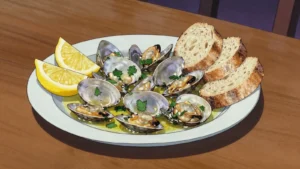
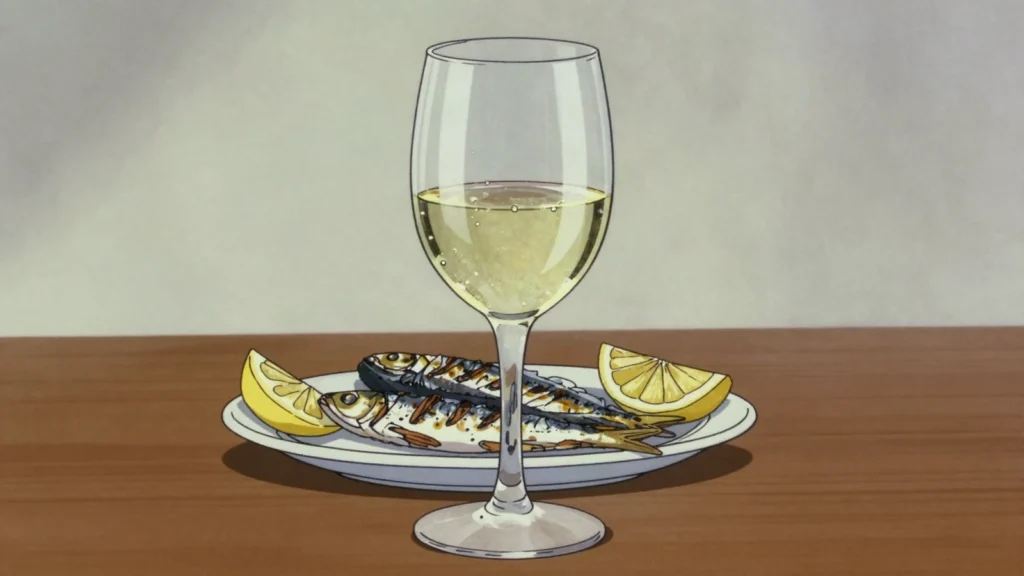
Very cold with grilled sardines, seafood and salads.
History
Lightly sparkling young wine from the Minho, demarcated in 1908; vines were trained high on trees and pergolas to free land for crops.
Frequently asked questions
What is Vinho verde?
Vinho verde is a wine & spirit from Portugal: young, lightly fizzy white wine from the Minho. Lightly sparkling young wine from the Minho, demarcated in 1908; vines were trained high on trees and pergolas to free land for crops.
How is Vinho verde made?
The grapes are picked early and pressed, and the juice fermented cool. The characteristic prickle was originally a malolactic fermentation continuing in bottle; modern production adds a small amount of carbon dioxide instead for consistency. It is bottled within months and drunk within the year. It takes one vintage a year, drunk young.
Can I make Vinho verde at home?
No, and the atlas gives no method for it. Wine is grown, not cooked, and made in a licensed cellar under a demarcated appellation.
What goes into Vinho verde?
Loureiro, Alvarinho, Arinto and Trajadura grapes, yeast.
How is Vinho verde eaten?
Very cold with grilled sardines, seafood and salads.