
Ingredients
Dough
- 500 gself-raising flour, or 500 g plain flour with 4 tsp baking powder
- 1 tspfine salt
- 60 gcold butter, cubed
- 300 mlfull-cream milk, plus 2 tbsp for brushing
- extra flour for dusting
Swagman’s original (three ingredients only)
- 500 gplain flour
- 1 tspsalt
- about 300 ml water
- 1 tspbicarbonate of soda, if you have it
To serve
- salted butter
- golden syrup, known as cocky’s joy
- a billy of black tea
Directions
- Rub the butter into the flour and salt with your fingertips until the mixture looks like coarse breadcrumbs with a few larger flakes still visible.
- Pour in the milk all at once and bring it together with a butter knife in a cutting motion, stopping the second there is no dry flour left; overmixing develops gluten and gives a tough, dense loaf.
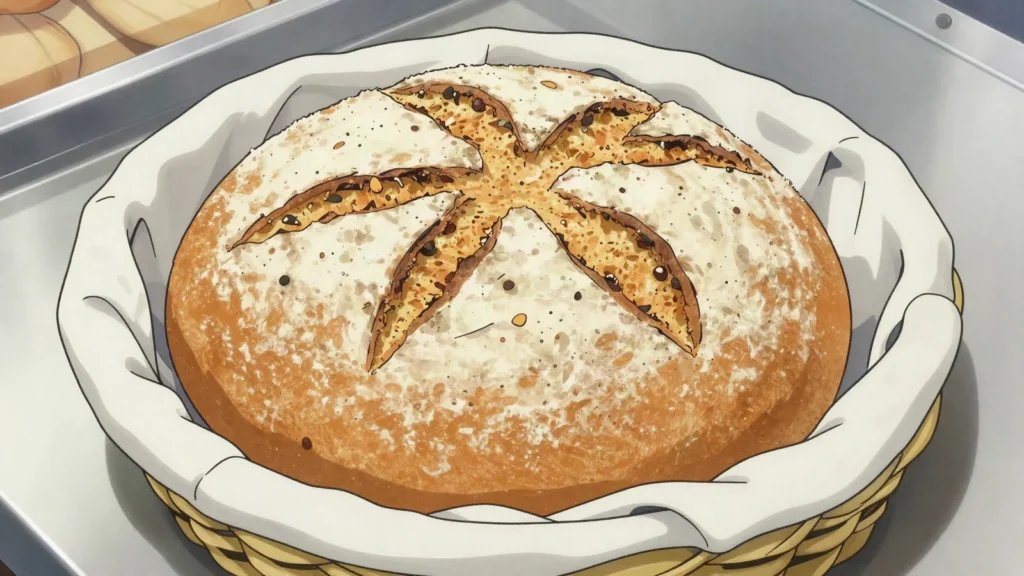
- Tip the shaggy dough onto a floured bench and knead it no more than eight or ten times, just enough to make a rough ball with a smooth top. Pat it into a round about 18 cm across and 5 cm high, then cut a deep cross into the top, going a third of the way down, which lets heat into the centre and gives the loaf its characteristic four-part break.
- Brush with milk and dust with flour for the traditional pale, floury crust. For the camp method, put it in a greased cast-iron camp oven, put the lid on, sit it in the embers and shovel coals onto the lid; cook 30 to 35 minutes.
- Tear it apart at the cross while hot and eat it with butter and golden syrup.
Technique
- The original swagman’s damper had no leavening, no fat and no milk: just flour, water and salt, mixed in the top of the flour bag and baked directly in the ashes, then dusted off before eating. Every richer version is a later refinement.
- The name comes from damping down the fire, since the loaf was cooked in the dying coals rather than a live flame.
- Handle it as little as possible. Damper is a soda bread, so its lift comes from chemical leavening reacting with liquid, and it starts working the moment the milk goes in.
- It goes stale within hours, which is why it was baked fresh each day on the stock routes. Eat it the day it is made.
Substitutions
- No self-raising flour: 500 g plain flour with 4 tsp baking powder and the salt gives the same rise.
- Beer or soda water in place of milk makes a lighter, more open crumb and is a common bush-cooking trick.
- Buttermilk with 1 tsp bicarbonate of soda instead of baking powder gives a tangier, softer loaf.
Variations
- Cheese and herb damper folds 150 g grated tasty cheese and a handful of chopped rosemary through the dry mix.
- Damper scrolls roll the dough flat, spread it with vegemite and cheese, then slice and bake as spirals.
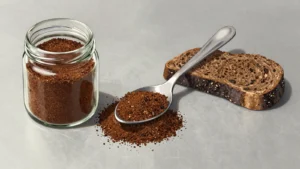
- Wattleseed damper, a modern native-ingredient version, adds 2 tbsp of roasted ground wattleseed for a coffee and cocoa note.
History
A simple soda bread made from flour, water and occasionally milk, traditionally baked in the coals of a campfire, developed by rural Australian settlers and stockmen, particularly those droving cattle or sheep across remote areas far from any bakery or town, since it required only basic ingredients that could be carried on a long journey and a campfire rather than an oven to cook. Its name is thought to derive from the bread’s dense, filling, appetite-dampening quality rather than any more elaborate explanation. Damper is closely associated with the broader Australian bush and outback tradition, and Indigenous Australian communities also developed and continue to make their own versions using native plant seeds and flours well before and alongside the settler tradition using imported wheat flour.
Frequently asked questions
What is Damper?
Damper is a bread & pastry from Australia: bush soda bread traditionally baked in campfire coals. A simple soda bread made from flour, water and occasionally milk, traditionally baked in the coals of a campfire, developed by rural Australian settlers and stockmen, particularly those droving cattle or sheep across remote areas far from any bakery or town, since it required only basic ingredients that could be carried on a long journey and a campfire rather than an oven to cook. Its name is thought to derive from the bread’s dense, filling, appetite-dampening quality rather than any more elaborate explanation. Damper is closely associated with the broader Australian bush and outback tradition, and Indigenous Australian communities also developed and continue to make their own versions using native plant seeds and flours well before and alongside the settler tradition using imported wheat flour.
How long does Damper take to make?
Damper takes 10 min of preparation and 35 min of cooking. The recipe makes 1 loaf, 8 wedges. It is rated easy to make.
What can I substitute in Damper?
Yes, within limits. No self-raising flour: 500 g plain flour with 4 tsp baking powder and the salt gives the same rise. Beer or soda water in place of milk makes a lighter, more open crumb and is a common bush-cooking trick. Buttermilk with 1 tsp bicarbonate of soda instead of baking powder gives a tangier, softer loaf.
What is the most important thing to get right in Damper?
The name comes from damping down the fire, since the loaf was cooked in the dying coals rather than a live flame.