
Ingredients
Pulses
- 300 gwhole black urad dal
- 60 gred kidney beans
- water, for soaking
Base
- 2 tbspghee
- 1onion, finely chopped
- 2 tbspginger and garlic paste
- 3tomatoes, puréed
- 2 tbsptomato paste
- 1 tspchilli powder
- 1 tspground cumin
- 1 tspground coriander
- 2green chillies
- salt
To finish
- 100 gbutter
- 200 mldouble cream
- 1 tspkasuri methi
- ½ tspgaram masala
Directions
- Soak the urad dal and kidney beans together overnight, for at least 8 hours and preferably 12.
- Drain, cover with fresh water, boil hard for 10 minutes, then simmer for 1 hour 30 minutes to 2 hours until completely soft. In a pressure cooker this takes about 45 minutes.
- Mash some of the dal against the side of the pot with a spoon as it cooks, which releases the starch and is what makes the dish creamy without leaving all the work to the cream.
- Fry the onion in the ghee until deep golden, about 12 minutes, then add the ginger and garlic paste and cook for 2 minutes.
- Add the ground spices, tomato paste and puréed tomato and cook for 15 minutes, until the fat separates and pools at the edges of the pan.
- Add the cooked dal with all of its liquid, the butter and half the cream.
- Now simmer it on the lowest possible heat for 2 to 3 hours, stirring every 20 minutes and scraping the base.
- This long slow simmer is the entire dish. It is what turns a lentil stew into dal makhani: the pulses break down completely, the butter emulsifies into them, and the colour deepens from brown towards black. There is no shortcut, and a thirty-minute version is simply a different dish.
- Add water whenever it thickens too far, and keep stirring so the bottom does not catch.
- Stir in the remaining cream, the crushed kasuri methi and the garam masala right at the end.
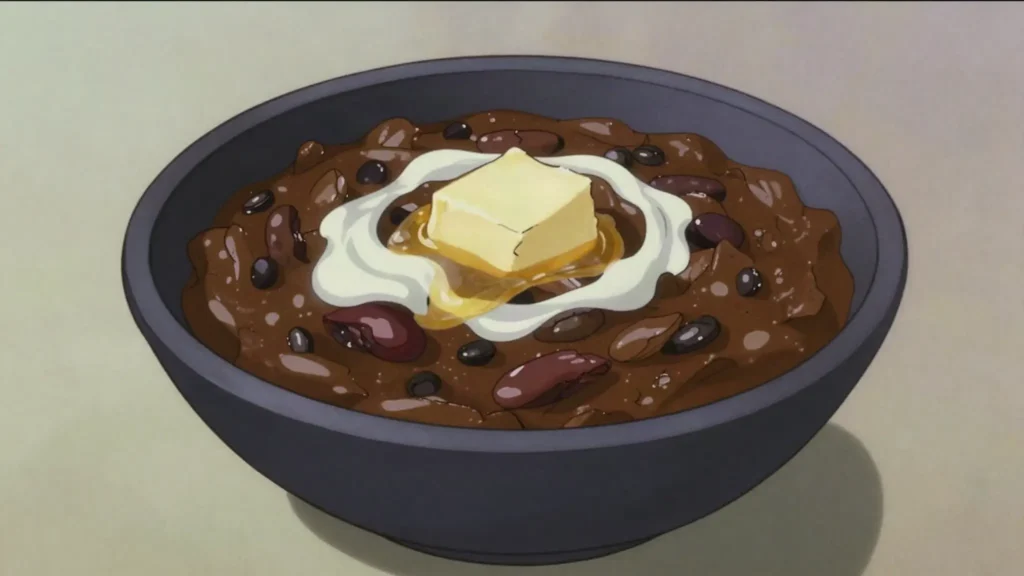
- Serve with naan or rice, with a swirl of cream and a knob of butter on top.
Technique
- Whole black urad, not the split white kind. The skins are where the colour and most of the body come from.
- It is credited to Kundan Lal Gujral’s Moti Mahal in post-Partition Delhi, the same kitchen that is said to have produced butter chicken.
- It is better the next day, and better still the day after that.
Substitutions
- Tinned kidney beans, added after the dal is already soft.
- Coconut cream in place of dairy cream, which changes it considerably but works.
Variations
- Cooked overnight on the lowest heat, which is the restaurant method.
- With less butter and cream, as it is made in most homes.
- Finished with a dhungar smoking, using a hot coal and a spoonful of ghee under a lid.
History
Black lentils and kidney beans, slow-simmered for hours with butter and cream until the sauce turns rich and velvety, invented, according to a commonly told and reasonably well-documented account, at Moti Mahal in Delhi, the same restaurant credited with creating butter chicken in the years following the 1947 Partition, when Punjabi refugee restaurateurs from Peshawar adapted tandoor and rich, buttery cooking techniques into a new set of signature Delhi dishes. Its long, slow cooking time, traditionally simmered overnight or for many hours on low heat, is considered essential to properly softening the lentils and developing the dish’s characteristic deep, rounded flavour, distinguishing a well-made dal makhani from a faster-cooked, thinner lentil dish. It remains one of the most widely recognized North Indian dishes both within India and internationally.
Frequently asked questions
What is Dal Makhani?
Dal Makhani is a main from India: black lentils simmered overnight with butter and cream. Black lentils and kidney beans, slow-simmered for hours with butter and cream until the sauce turns rich and velvety, invented, according to a commonly told and reasonably well-documented account, at Moti Mahal in Delhi, the same restaurant credited with creating butter chicken in the years following the 1947 Partition, when Punjabi refugee restaurateurs from Peshawar adapted tandoor and rich, buttery cooking techniques into a new set of signature Delhi dishes. Its long, slow cooking time, traditionally simmered overnight or for many hours on low heat, is considered essential to properly softening the lentils and developing the dish’s characteristic deep, rounded flavour, distinguishing a well-made dal makhani from a faster-cooked, thinner lentil dish. It remains one of the most widely recognized North Indian dishes both within India and internationally.
How long does Dal Makhani take to make?
Dal Makhani takes 20 min plus overnight soaking of preparation and 5 hr of cooking. The recipe makes 8 servings. It is rated medium to make.
What can I substitute in Dal Makhani?
Yes, within limits. Tinned kidney beans, added after the dal is already soft. Coconut cream in place of dairy cream, which changes it considerably but works.
What is the most important thing to get right in Dal Makhani?
This long slow simmer is the entire dish. It is what turns a lentil stew into dal makhani: the pulses break down completely, the butter emulsifies into them, and the colour deepens from brown towards black. There is no shortcut, and a thirty-minute version is simply a different dish.