
Ingredients
Mash
- 250 gmillet flour, or whole millet ground fine
- 1.6 litreswater
- 1 pinchfine salt
To sweeten and start
- 200 gsugar
- 3 tbspboza from a previous batch, or 5 g fresh baker’s yeast slaked in 50 ml warm water with 1 tsp sugar
To serve
- ground cinnamon
- roasted chickpea flour or crushed walnuts, optional
Directions
- Whisk the millet flour into 600 ml of the cold water until completely smooth, then stir this slurry into the remaining water in a heavy pan with the salt.
- Bring to a boil slowly, stirring constantly with a wooden spoon, then drop to the lowest heat and cook 45 to 60 minutes until it thickens to a loose porridge and no longer tastes raw or chalky.
- Pass the hot mash through a fine sieve, pressing hard, to leave a smooth cream with no husk. This is what gives boza its velvet body.
- Stir in the sugar while still hot so it dissolves completely, then cool to 30°C (85°F), blood warm on the wrist.
- Stir in the starter boza or the yeast slurry, cover the vessel with a cloth and leave at 22 to 25°C (75°F).
- Ferment 24 to 36 hours, stirring twice a day. It is ready when it smells faintly of bread and lemon, tastes sweet with a clean sour edge, and small bubbles rise when you stir.
- Taste every few hours towards the end; past 40 hours it turns sharply sour and alcoholic rather than pleasantly tart.
- Chill hard for at least 4 hours, stir before pouring into glasses, and dust each with cinnamon and a spoon of roasted chickpea flour or crushed walnut.
Technique
- Boza is only just fermented. The alcohol stays around 1 percent, so it counts as a soft drink; a longer ferment pushes it higher and past the point Albanians consider drinkable.
- Reserve 3 tablespoons of every batch to start the next. A back-slopped culture builds a rounder, more reliable sourness than fresh yeast.
- It separates in the fridge, with a watery layer on top. That is normal, not spoilage; stir it back in. Discard it if it smells of acetone or grows any surface film.
Substitutions
- Albanian boza is often made from maize flour, or maize with a quarter wheat flour, if millet is hard to find. Cook maize versions a full hour.
- Sugar can be cut to 120 g for a sourer, more traditional drink and honey stirred in at serving instead.
Variations
- Korça bozaxhinj sell it thick enough to stand a spoon in, eaten almost with a teaspoon.
- A winter version is served warm with extra cinnamon and roasted chickpeas alongside.
History
Berat and Tirana boza houses have poured it for generations, an Ottoman-era drink of the Balkans.
Frequently asked questions
What is Boza?
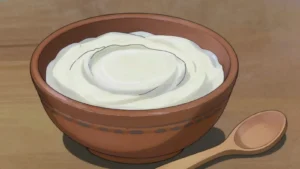
Boza is a drink from Albania: thick fermented millet drink, faintly sour, sold from dedicated shops. Berat and Tirana boza houses have poured it for generations, an Ottoman-era drink of the Balkans.
How long does Boza take to make?
Boza takes 20 min of preparation and 1 hr cooking plus 24 to 36 hr fermenting of cooking. The recipe makes 1.5 litres. It is rated medium to make.
What can I substitute in Boza?
Yes, within limits. Albanian boza is often made from maize flour, or maize with a quarter wheat flour, if millet is hard to find. Cook maize versions a full hour. Sugar can be cut to 120 g for a sourer, more traditional drink and honey stirred in at serving instead.
What is the most important thing to get right in Boza?
Taste every few hours towards the end; past 40 hours it turns sharply sour and alcoholic rather than pleasantly tart.