
Ingredients
Cabbage
- 4 kgChinese cabbage, about 6 heads, outer leaves removed
- 80 gcoarse non-iodised salt — 2% of the cabbage weight
Equipment
- a scrubbed crock or food-grade bucket
- a large clean stone or a water-filled jar, as a weight
- cooled boiled water, to top up
Directions
- Trim the cabbages and cut each in half lengthwise through the core. Leave them out in a cool airy place for a day to wilt slightly, which drives off surface water and makes them easier to pack.
- Blanch each half in boiling water for 30 seconds and plunge it straight into cold water. This is the northeastern method: it softens the leaves so they pack tight without air pockets, and it knocks back the surface organisms that would otherwise turn the crock slimy.
- Drain thoroughly, then rub the salt between the leaves of each half, working from the base outward. Two percent is a low salt level, which is why the crock must stay genuinely cold.
- Pack the halves into the crock cut-side down, pressing hard as you go so each layer beds into the one below with no gaps.
- Set the weight on top and leave for a day. The cabbage should give up enough liquid to cover itself; if it has not, top up with cooled boiled water until everything sits 3 cm below the surface.
- Keep at 4 to 10°C (39 to 50°F) — a cold cellar, an unheated porch or a spare fridge — for four to six weeks. Warmer than that and the low salt level will not hold it; it goes soft and smells wrong within days.
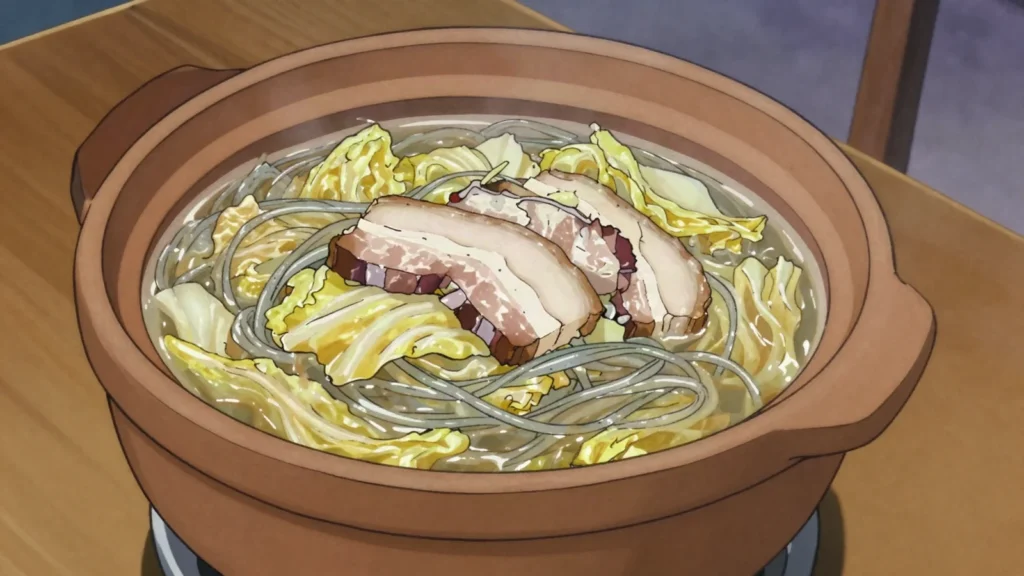
- It is ready when the leaves are translucent and yellowish and it smells sharply sour. Shred it fine and stew with pork belly and glass noodles.
Technique
- Cold is doing the job salt does in a saltier pickle. This is a winter preserve and it genuinely needs winter temperatures.
- The blanching step is worth doing. Skipped, the crock is far more likely to go ropy in the first week.
- Everything must stay under the liquid. Rinse and re-weight the moment anything rises.
Substitutions
- Napa cabbage from any supermarket, which is what this is.
- A little rice-washing water added at the start, which speeds the ferment if the room is on the cold side.
Variations
- The Korean baechu form ferments faster with chilli and salted shrimp added; suan cai has neither.
- Rinsed and squeezed before cooking if it has gone very sour, which is normal by late winter.
History
A Manchurian winter staple: cabbage was salted under stones in crocks so northeastern households could eat vegetables through months of frost.
Frequently asked questions
What is Suan Cai?
Suan Cai is a fermented & pickled from China: sour brined Chinese cabbage from the northeast, stewed with pork belly and glass noodles. A Manchurian winter staple: cabbage was salted under stones in crocks so northeastern households could eat vegetables through months of frost.
How long does Suan Cai take to make?
Suan Cai takes 30 min plus 4 to 6 weeks fermenting of preparation and no cooking at all. The recipe makes fills a 5-litre crock. It is rated easy to make.
What can I substitute in Suan Cai?
Yes, within limits. Napa cabbage from any supermarket, which is what this is. A little rice-washing water added at the start, which speeds the ferment if the room is on the cold side.
What is the most important thing to get right in Suan Cai?
Blanch each half in boiling water for 30 seconds and plunge it straight into cold water. This is the northeastern method: it softens the leaves so they pack tight without air pockets, and it knocks back the surface organisms that would otherwise turn the crock slimy.