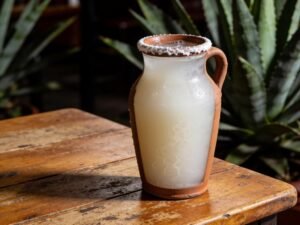

An herbal desert spirit distilled from the desert spoon plant, which is not an agave at all. It is made in Chihuahua, Durango and Coahuila from wild Dasylirion harvested in the sierra, and Mexico gave it its own denomination of origin in 2002.
Distilling is illegal without a licence, the plant is wild-harvested under a denomination of origin, and the pit-roast is a fire dug into the ground and covered for several days.
What goes into it
- wild Dasylirion — sotol, or desert spoon
- wild yeasts
- water
How it is made
Wild sotol plants, which take a decade or more to mature, are cut in the sierra and their hearts roasted in earth pits lined with hot stones and covered over for days — which is where the smoke comes from. The roasted hearts are crushed, fermented in open vats on wild yeasts, and distilled. Each producer’s spirit tastes of the specific sierra it was cut from.
How long it takes: a decade of wild growth, then days of pit-roasting and fermenting
How it is eaten
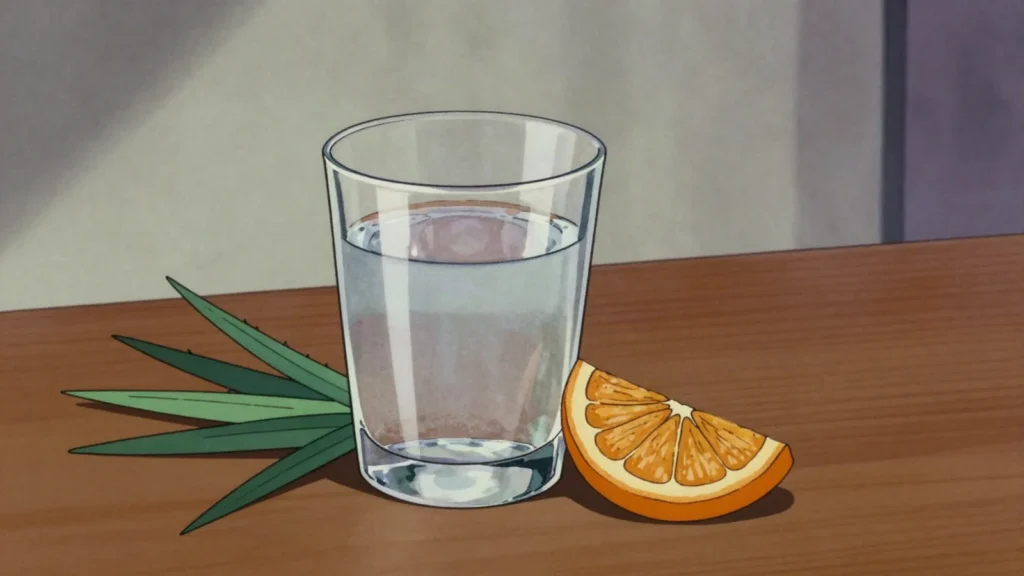
Neat at room temperature in a small glass, sipped rather than shot.
History
A distilled spirit made not from agave, like tequila and mezcal, but from the desert spoon plant, a distinct desert succulent native to the arid regions of northern Mexico, particularly Chihuahua, where it has been distilled for generations by communities in that specific desert ecosystem. Its production predates modern Mexican statehood, with Indigenous peoples of the region fermenting the plant’s heart well before Spanish colonization introduced distillation technology in the 1500s and 1600s, after which the two traditions merged into the distilled spirit known today. Sotol received Mexican denomination of origin protection, legally restricting the name to spirits produced from the specific plant and within defined northern Mexican states, distinguishing it as its own protected category separate from tequila and mezcal despite superficial similarities in production concept.
Frequently asked questions
What is Sotol?
Sotol is a wine & spirit from Mexico: herbal desert spirit distilled from the desert spoon plant, not agave. A distilled spirit made not from agave, like tequila and mezcal, but from the desert spoon plant, a distinct desert succulent native to the arid regions of northern Mexico, particularly Chihuahua, where it has been distilled for generations by communities in that specific desert ecosystem. Its production predates modern Mexican statehood, with Indigenous peoples of the region fermenting the plant’s heart well before Spanish colonization introduced distillation technology in the 1500s and 1600s, after which the two traditions merged into the distilled spirit known today. Sotol received Mexican denomination of origin protection, legally restricting the name to spirits produced from the specific plant and within defined northern Mexican states, distinguishing it as its own protected category separate from tequila and mezcal despite superficial similarities in production concept.
How is Sotol made?
Wild sotol plants, which take a decade or more to mature, are cut in the sierra and their hearts roasted in earth pits lined with hot stones and covered over for days — which is where the smoke comes from. The roasted hearts are crushed, fermented in open vats on wild yeasts, and distilled. Each producer’s spirit tastes of the specific sierra it was cut from. It takes a decade of wild growth, then days of pit-roasting and fermenting.
Can I make Sotol at home?
No, and the atlas gives no method for it. Distilling is illegal without a licence, the plant is wild-harvested under a denomination of origin, and the pit-roast is a fire dug into the ground and covered for several days.
What goes into Sotol?
Wild Dasylirion — sotol, or desert spoon, wild yeasts, water.
How is Sotol eaten?
Neat at room temperature in a small glass, sipped rather than shot.