
Ingredients
Mash
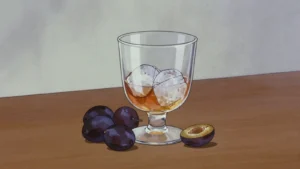
- 60 kgripe grapes with their skins, or the pomace left after winemaking, or very ripe plums, stoned
- no added sugar in a traditional batch
- clean water only if the mash is too stiff to stir
Fermentation
- a wooden or food-grade plastic vat of 100 litres with a loose lid
- wild yeast from the fruit skins, or 20 g wine yeast
Distillation
- a copper alembic, the kazan, of 50 to 100 litres with a coiled condenser and a water bath
- cold running water for the condenser
To serve
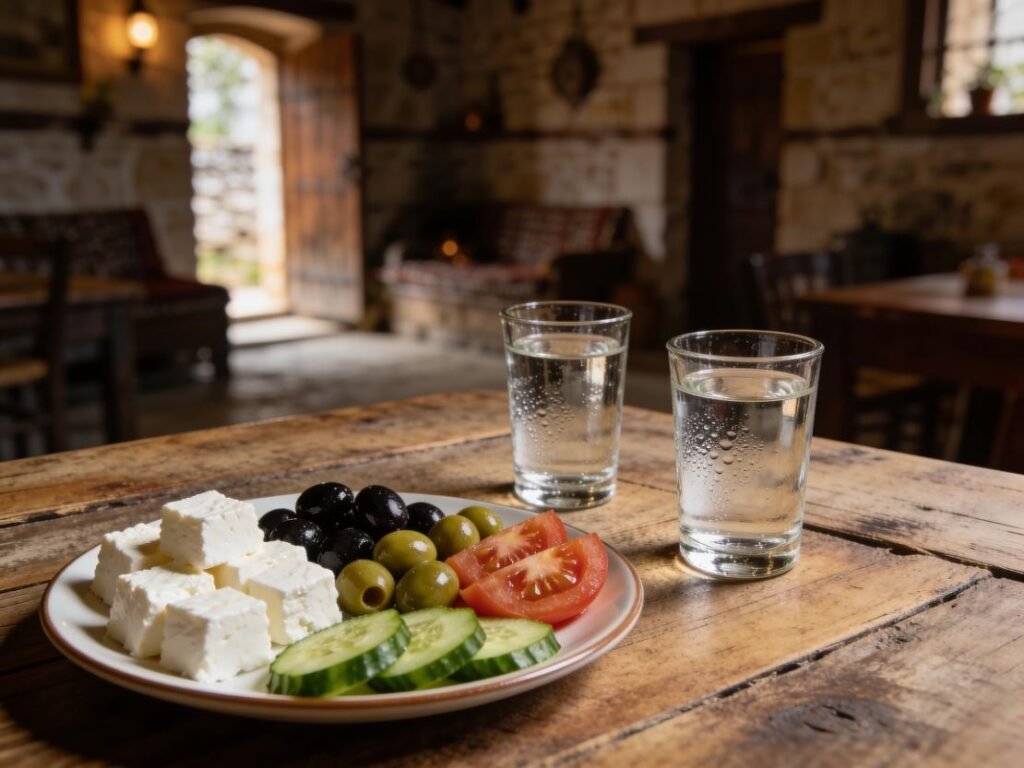
- 50 mlraki at cellar temperature or lightly chilled
- small straight-sided glasses
- meze of white cheese, olives, tomato and cucumber
Directions
- Crush the fruit by hand or foot into the vat, skins, pulp and all, and leave the stones out of plums since they carry bitterness and unwanted compounds.
- Cover loosely and let it ferment at 18 to 24°C (75°F) for 20 to 30 days. The cap of skins rises and must be pushed down daily so it does not dry out and go to vinegar.
- Fermentation is finished when the cap sinks, the bubbling stops and the mash tastes dry and sharply alcoholic rather than sweet, at about 7 to 9 percent alcohol.
- Charge the copper alembic no more than three quarters full, seal the join with a rope of rye dough, and heat gently over a wood fire.
- Discard the first fraction, roughly 1 percent of the charge, which runs at over 80 percent and smells of solvent and nail varnish. This heads cut carries the methanol and it is not optional.
- Collect the heart while the spirit runs clear and sweet-smelling, from about 75 percent down to 45 percent on the alcoholmeter.
- Cut to tails once the run drops below about 45 percent and turns cloudy or cheesy, and set that fraction aside to be redistilled in the next batch.
- Rest the heart in glass or in a chestnut cask for at least a month, reduce with clean water to 40 to 45 percent, and serve in small glasses with meze, poured for every guest who crosses the threshold.
Technique
- The cuts are the entire craft and the entire safety question. Methanol concentrates in the heads, and badly cut homemade raki has blinded and killed people; if you cannot measure and taste the run properly, do not drink it.
- Home distilling is legal for personal use in Albania and illegal in most of the European Union, the United Kingdom and the United States. Check your own law before building a still.
- Grape raki, made from pomace, is the everyday Albanian spirit and is drunk unaged and clear. Plum, mulberry and quince versions follow the same route with their own season.
Substitutions
- If you cannot distil, the closest bought equivalents are Albanian or Kosovar rakia, Serbian sljivovica for the plum style, or an Italian grappa for the grape style.
- Anise-flavoured Turkish raki is a different drink entirely, not a substitute; Albanian raki is unflavoured.
Variations
- Raki rrushi from grape pomace is the standard and the most widely distilled.
- Raki kumbulle, from plums, is darker in flavour and often distilled twice to 45 percent for winter.
History
Grape or fruit brandy distilled at home in copper stills and offered to guests at any hour as a mark of hospitality.
Frequently asked questions
What is Raki?
Raki is a wine & spirit from Albania: grape or plum spirit, offered as welcome. Grape or fruit brandy distilled at home in copper stills and offered to guests at any hour as a mark of hospitality.
How long does Raki take to make?
Raki takes 2 hr over the season of preparation and 20 to 30 days fermenting plus 1 day distilling of cooking. The recipe makes about 6 litres of 40 percent spirit from 60 kg of fruit. It is rated hard to make.
What can I substitute in Raki?
Yes, within limits. If you cannot distil, the closest bought equivalents are Albanian or Kosovar rakia, Serbian sljivovica for the plum style, or an Italian grappa for the grape style. Anise-flavoured Turkish raki is a different drink entirely, not a substitute; Albanian raki is unflavoured.
What is the most important thing to get right in Raki?
Cover loosely and let it ferment at 18 to 24°C (75°F) for 20 to 30 days. The cap of skins rises and must be pushed down daily so it does not dry out and go to vinegar.