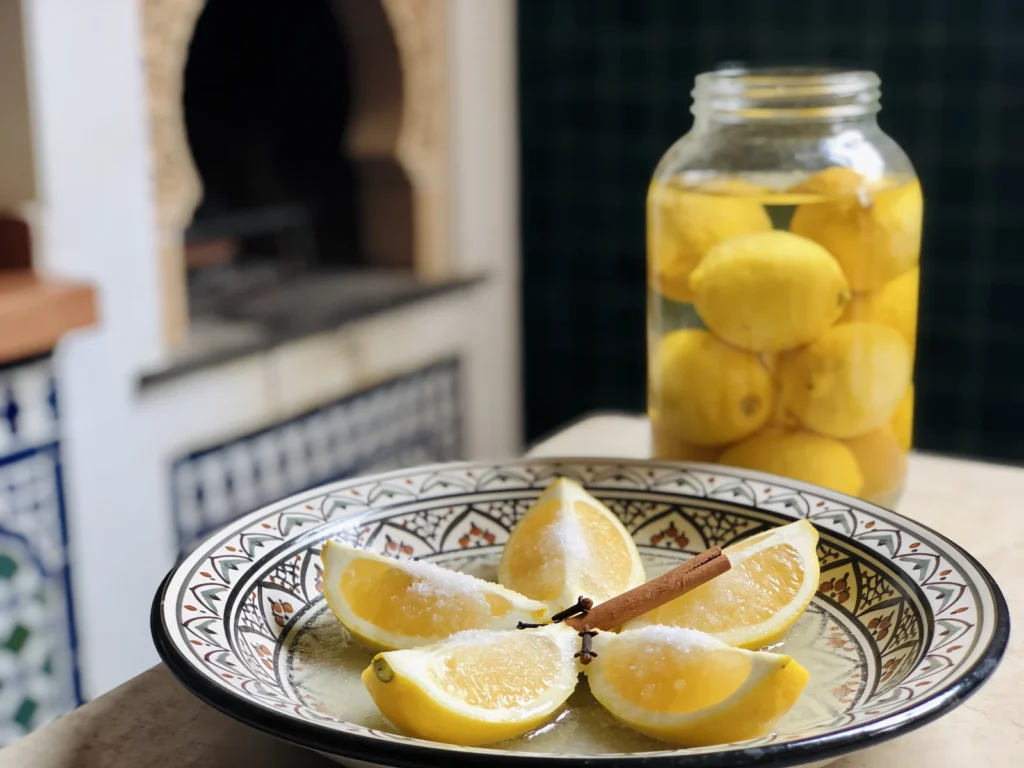

Ingredients
Lemons
- 8–10thin-skinned unwaxed lemons (doqq or Meyer if possible), about 1.2 kg
- 180–200 gcoarse sea salt, roughly 15 percent of the fruit weight
- Juice of 4–6 extra lemons, about 300 ml
Optional aromatics
- 1cinnamon stick
- 4cloves
- 1 tspcoriander seed
- 2bay leaves
Equipment
- 1 litreglass jar with a tight lid, sterilised
- 1small glass weight or a folded plastic sheet, to hold the fruit under
Directions
- Stand it on its base and cut down through it in a cross, stopping about 1 cm short of the bottom so the fruit opens like a flower but stays in one piece.
- Put 1 tbsp salt in the base of the sterilised jar.
- Pack the lemons in one at a time, pressing each down hard with a wooden spoon so it releases juice and crushes into the space.
- Layer the aromatics between the fruit if using, and add another spoon of salt every second lemon. Press until the jar is full and the fruit sits in its own juice.
- Top up with the extra lemon juice so the fruit is completely submerged, leaving 2 cm of headspace.
- Set the weight on top to hold everything under the surface, and seal. Keep the jar at room temperature, 18–22°C (65–70°F), out of direct sun.
- Turn and shake it once a day for the first week to move the salt around. They are ready at 4 weeks, when the rind is silky and yields easily to a thumbnail, the pith has gone glassy and the smell is floral rather than raw.
Technique
- It is the rind you are after. The salt draws water out and lets the pectin and the peel oils transform, which is why the pulp is usually discarded and only the softened peel is used.
- Everything must stay under the brine. Fruit poking above the surface will grow mould; a glass weight or a crumpled piece of baking parchment pushed down solves it.
- A white bloom or a slightly cloudy brine is normal kahm yeast and harmless; skim it off. Fuzzy blue, green or black mould, or a smell of solvent or rot, means the jar has failed and must be thrown away.
- Salt at 12–15 percent of fruit weight is the working range. Less and the ferment is unreliable; a lot more and the rind never softens.
Substitutions
- No doqq lemons: unwaxed Meyer or thin-skinned Amalfi lemons work well. Thick-skinned supermarket lemons need the full 3-day soak and about 5 weeks.
- Out of extra juice for topping up, use a brine of 30 g salt to 500 ml water, but expect a slightly less perfumed result.
- In a hurry, quartered lemons packed in salt and kept at 25°C (75°F) for 10 days give a usable, if less silky, quick version.
Variations
- Preserved limes, made the same way and used across the Moroccan south.
- Lemons preserved with saffron and olive oil floated on top, a Fez habit.
- Hamd markad msyar, quartered rather than scored, the fastest everyday household method.
History
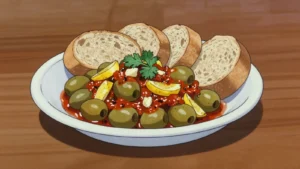
Salt-curing let Morocco’s winter Doqq and Boussera lemons last all year; the softened rind, not the pulp, flavours tagines of chicken, olives and fish.
Frequently asked questions
What is Preserved lemons?
Preserved lemons is a fermented & pickled from Morocco: lemons packed in salt until the rind turns silky and intensely perfumed. Salt-curing let Morocco’s winter Doqq and Boussera lemons last all year; the softened rind, not the pulp, flavours tagines of chicken, olives and fish.
How long does Preserved lemons take to make?
Preserved lemons takes 25 min of preparation and 4 weeks of cooking. The recipe makes 1 litre jar, about 8 lemons. It is rated easy to make.
What can I substitute in Preserved lemons?
Yes, within limits. No doqq lemons: unwaxed Meyer or thin-skinned Amalfi lemons work well. Thick-skinned supermarket lemons need the full 3-day soak and about 5 weeks. Out of extra juice for topping up, use a brine of 30 g salt to 500 ml water, but expect a slightly less perfumed result. In a hurry, quartered lemons packed in salt and kept at 25°C (75°F) for 10 days give a usable, if less silky, quick version.
What is the most important thing to get right in Preserved lemons?
Turn and shake it once a day for the first week to move the salt around. They are ready at 4 weeks, when the rind is silky and yields easily to a thumbnail, the pith has gone glassy and the smell is floral rather than raw.