
Ingredients
Fish
- 3 kgsmall fish, such as anchovies or dilis
- 1 kgcoarse sea salt
Equipment
- a large glazed earthenware jar or a food-grade bucket
- a plate or wooden disc that fits inside
- a clean weight
- muslin, for straining
- clean bottles
Directions
- Use plenty of salt and clean equipment throughout. Discard the batch if it smells putrid rather than fermented. They must be extremely fresh indeed. Rinse the fish briefly in clean seawater or brine. Do not gut them or remove the heads.
- Drain the fish really thoroughly. Mix the fish and salt in a large tub. Turn them until every fish is coated. Pack the mixture tightly into the jar. Press out all the air as you go.
- Fill the jar no more than three quarters full. Weighting it keeps the fish submerged. Set a plate or wooden disc on top of the fish.
- Put a clean weight on top of that. Everything must stay under that liquid. Cover the jar with cloth rather than a lid.
- Stand the jar somewhere warm outside. Bring it in or cover it against rain. Leave it for at least six months. Do not disturb it during that time. Ladle the clear liquid off the top carefully.
- Strain it through several layers of muslin. Strain it again if it is at all cloudy. Pour it into clean glass bottles. Storing the sauce is easy enough. Keep it in a sealed bottle away from light. Add a splash to adobo, sinigang and soups.
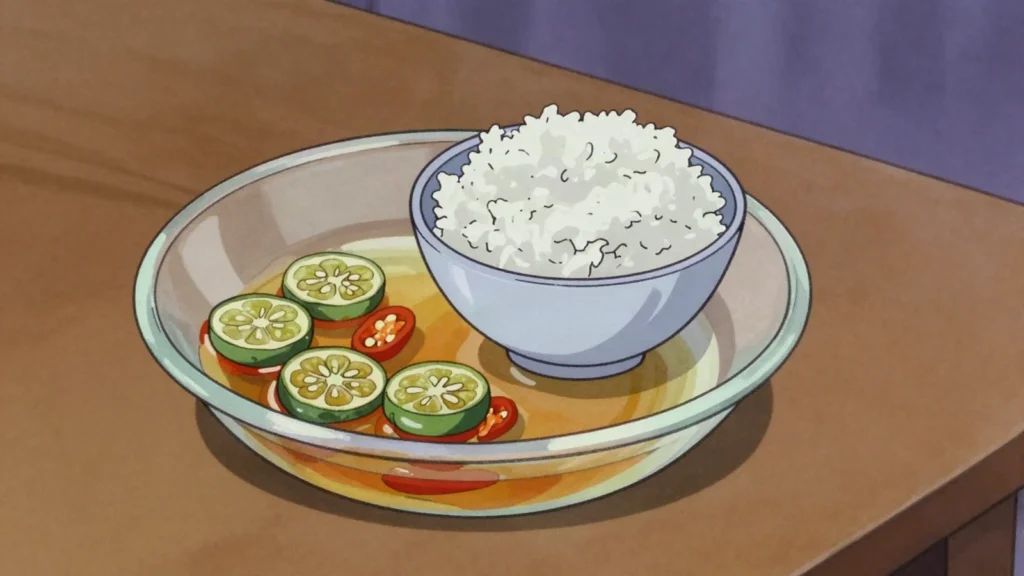
- Use it in place of salt in most savoury cooking. Mix it with calamansi juice and chilli as a dip. Sprinkle it over rice and fried egg. Use it sparingly, since it is very salty.
Technique
- Patis and bagoong come from the same jar: the liquid is drawn off as fish sauce and the solids remain as the paste.
- Different regions of the Philippines make bagoong from different fish and shrimp, and each has its own character.
Substitutions
- Any bottled Filipino patis works, and Vietnamese or Thai fish sauce is a close substitute.
- There is no vegetarian equivalent that tastes the same, though fermented soybean sauces fill a similar role.
Variations
- Bagoong isda is the fish paste left from the same process.
- Bagoong alamang is made from small shrimp and is a different product.
- First-draw patis is paler and more prized than later runs.
Frequently asked questions
What is Patis?
Patis is a sauce & condiment from Philippines: clear fish sauce drawn off fermenting bagoong, used at the table like salt.
How long does Patis take to make?
Patis takes 1 hour plus months of fermenting of preparation and none of cooking. The recipe makes about 1 litre. It is rated hard to make.
What can I substitute in Patis?
Yes, within limits. Any bottled Filipino patis works, and Vietnamese or Thai fish sauce is a close substitute. There is no vegetarian equivalent that tastes the same, though fermented soybean sauces fill a similar role.
What is the most important thing to get right in Patis?
Use plenty of salt and clean equipment throughout. Discard the batch if it smells putrid rather than fermented. They must be extremely fresh indeed. Rinse the fish briefly in clean seawater or brine. Do not gut them or remove the heads.