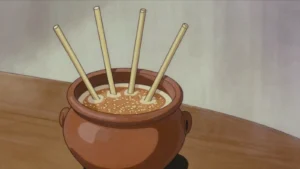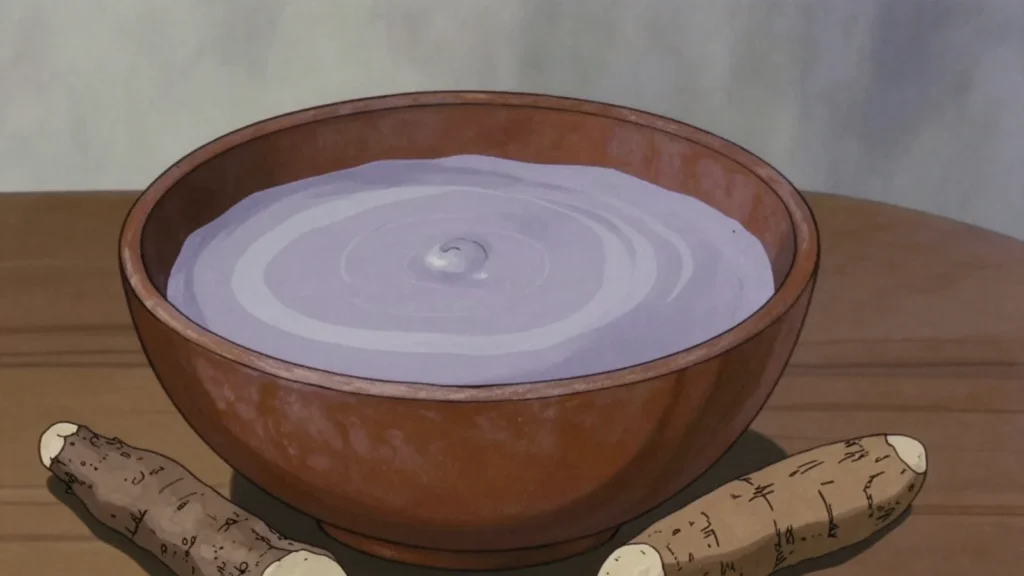

Cloudy fermented cassava beer brewed in Amerindian villages of Guyana. Wapishana and Makushi brewers ferment baked cassava bread with a Rhizopus mould — the only documented use of a mould starter for a fermented drink anywhere in the New World.
It depends on a mould starter maintained on leaves within particular communities, it produces alcohol, and the cassava has to be pressed and baked correctly first to remove its cyanogenic glycosides.
What goes into it
- bitter cassava, made into bread
- leaves carrying the Rhizopus starter
- water
How it is made
Cassava is grated, pressed and baked into bread. The bread is broken up, layered with leaves that carry a Rhizopus mould culture kept alive from batch to batch, and left in a covered vessel for several days while the mould converts starch to sugar and yeasts ferment it. The mash is then diluted and strained.
How long it takes: three to seven days
How it is eaten
From a bowl at village work parties and festivals.
History
Wapishana and Makushi brewers ferment baked cassava bread with a Rhizopus mould, the only documented New World use of a mould starter.
Frequently asked questions
What is Parakari?
Parakari is a wine & spirit from Guyana: cloudy fermented cassava beer brewed in Amerindian villages. Wapishana and Makushi brewers ferment baked cassava bread with a Rhizopus mould, the only documented New World use of a mould starter.
How is Parakari made?
Cassava is grated, pressed and baked into bread. The bread is broken up, layered with leaves that carry a Rhizopus mould culture kept alive from batch to batch, and left in a covered vessel for several days while the mould converts starch to sugar and yeasts ferment it. The mash is then diluted and strained. It takes three to seven days.
Can I make Parakari at home?
No, and the atlas gives no method for it. It depends on a mould starter maintained on leaves within particular communities, it produces alcohol, and the cassava has to be pressed and baked correctly first to remove its cyanogenic glycosides.
What goes into Parakari?
Bitter cassava, made into bread, leaves carrying the Rhizopus starter, water.
How is Parakari eaten?
From a bowl at village work parties and festivals.