
Ingredients
The coffee
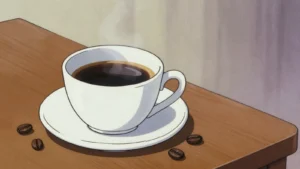
- 1shot espresso
- about 30 ml
The milk
- 30 mlhot milk
- steamed or heated
To serve
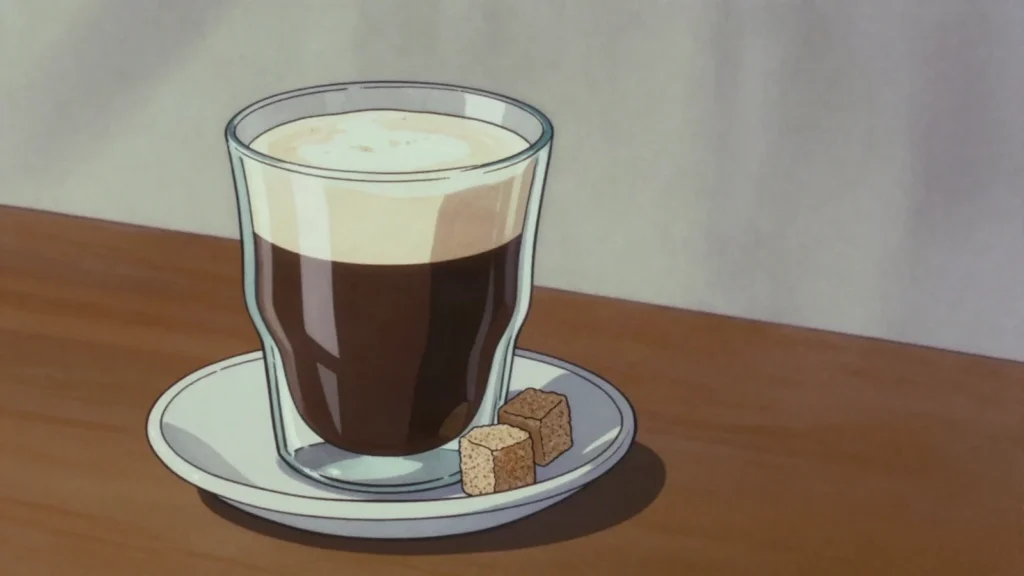
- a small glass
- sugar on the side
- in a café
Directions
- Pull a single shot of espresso. It should be about thirty millilitres.
- Steam the milk if you have a machine. It should be hot but not boiling. Take it off before it simmers. Steam it briefly if using a machine.
- Whisk it lightly if heating in a pan. Do not aim for a stiff foam here. Rinse the glass with hot water first. A cold glass cools the drink immediately.
- Pour the water out before using it. Pour the espresso into the warm glass. Pour the hot milk slowly over the coffee.
- Pour it down the side of the glass. A slow pour keeps the layers separate. Pour gently over the back of a spoon if you like. The two should be roughly equal.
- Fill the glass about halfway with coffee. Top it up with the same again in milk. Adjust it all to your own taste. Serving it is always done immediately.
- Set the glass on a small saucer. Put the sugar out on the side. It is drunk hot and quite slowly. Make every single glass of it fresh.
Technique
- Nous means half in Moroccan Arabic and saying it twice gives half-half, which describes the proportions exactly: equal parts espresso and hot milk. That is less milk than a latte and more than a macchiato, and the coffee comes through clearly — which is the point of it.
- Heat the milk to hot but not boiling, around sixty-five degrees, since boiled milk tastes cooked and flat; and aim for a little foam rather than a stiff cappuccino foam, since the texture wanted is closer to hot milk.
- Pour the espresso in first and the milk slowly down the side of the glass, which keeps the two briefly layered — that look is expected in a café, and it is stirred before drinking. Rinse the small glass with hot water first, since it loses heat fast.
Substitutions
- A stovetop pot makes a usable base at home, stronger than filter coffee though without the crema.
- Sugar is served on the side rather than added in the kitchen, and each drinker adds their own.
Variations
- The French protectorate brought espresso machines and cafés spread with them; the habit outlasted it entirely and is Moroccan rather than French now.
- Kahwa kahla is black coffee and mhrs a coffee with a little milk; the proportions are what distinguish the orders.
- Moroccan cafés are social institutions where people sit for long stretches over one glass, with tables facing the street.
History
The name means half-half in Moroccan Arabic; the café culture that carries it dates to the French protectorate, when espresso machines reached the cities.
Frequently asked questions
What is Nous nous?
Nous nous is a drink from Morocco: half espresso, half hot milk, the standard order in Moroccan cafés. The name means half-half in Moroccan Arabic; the café culture that carries it dates to the French protectorate, when espresso machines reached the cities.
How long does Nous nous take to make?
Nous nous takes 3 minutes of preparation and 3 minutes of cooking. The recipe makes serves 1. It is rated easy to make.
What can I substitute in Nous nous?
Yes, within limits. A stovetop pot makes a usable base at home, stronger than filter coffee though without the crema. Sugar is served on the side rather than added in the kitchen, and each drinker adds their own.
What is the most important thing to get right in Nous nous?
Whisk it lightly if heating in a pan. Do not aim for a stiff foam here. Rinse the glass with hot water first. A cold glass cools the drink immediately.