
The crisp whites of south Moravia — Veltlínské zelené above all, with Ryzlink and Müller-Thurgau. Charles IV ordered vineyard planting in the Czech lands in 1358, and Moravia now holds almost all the country’s vines, along with its wine-cellar villages.
Wine is grown, not cooked, and made in a licensed cellar; there is nothing in a kitchen that produces it.
What goes into it
- Grüner Veltliner and other white grapes
- yeast
How it is made
The grapes are pressed and fermented cool in steel or in the old wooden casks of the cellar rows, then bottled young to keep their acidity and aroma. The region sits at a northern latitude for wine, which is what keeps the wines light and sharp.
How long it takes: one vintage a year
How it is eaten
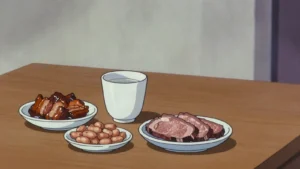
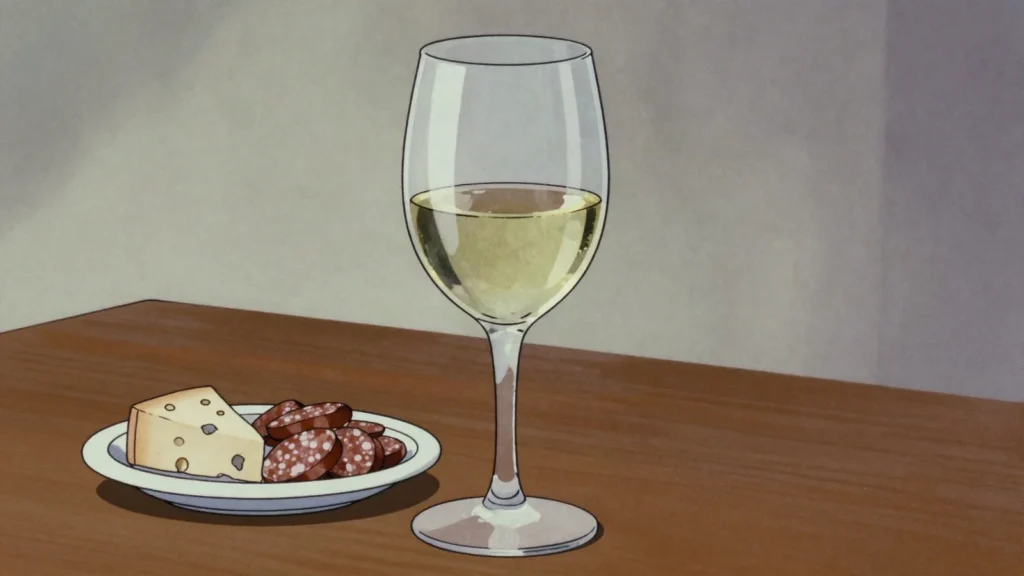
Cold, in the cellar rows of Petrov or Vrbice, with cheese and cured meat.
History
Charles IV ordered vineyard planting in the Czech lands in 1358; Moravia now holds almost all the country’s vines and its wine cellar villages.
Frequently asked questions
What is Moravian wine?
Moravian wine is a wine & spirit from Czechia: crisp whites such as Veltlínské zelené from the vineyards of south Moravia. Charles IV ordered vineyard planting in the Czech lands in 1358; Moravia now holds almost all the country’s vines and its wine cellar villages.
How is Moravian wine made?
The grapes are pressed and fermented cool in steel or in the old wooden casks of the cellar rows, then bottled young to keep their acidity and aroma. The region sits at a northern latitude for wine, which is what keeps the wines light and sharp. It takes one vintage a year.
Can I make Moravian wine at home?
No, and the atlas gives no method for it. Wine is grown, not cooked, and made in a licensed cellar; there is nothing in a kitchen that produces it.
What goes into Moravian wine?
Grüner Veltliner and other white grapes, yeast.
How is Moravian wine eaten?
Cold, in the cellar rows of Petrov or Vrbice, with cheese and cured meat.