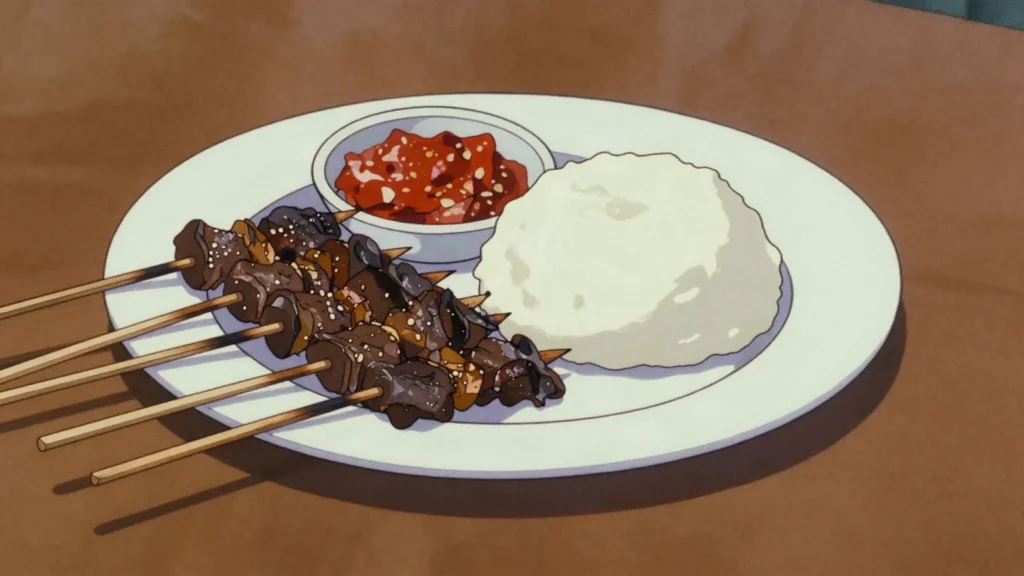

Ingredients
The mice
- 20field mice
- gutted and cleaned
- fur removed
- water, for boiling
- 2 tablespoonssalt
To finish
- thin skewers
- a wood or charcoal fire
- more salt
Sometimes served with
- nsima
- a hot chilli relish
- raw tomato and onion
To serve
- on the skewer
- eaten whole
- from a roadside stand
Directions
- Wash hands thoroughly and cover any cuts. Wash boards and knives afterwards as well. Do not shortcut either of them.
- Take it out completely and discard it. Or the mice are dipped in hot water. Wash the prepared mice thoroughly. Rinse them in several changes of water.
- Wash off all traces of singed fur. Wash out the body cavity as well. Rinse until the water runs clear. Put them in a large pot of water. Add plenty of salt to the water. Bring the pot up to a full boil. Boiling them takes about twenty minutes.
- Let them boil steadily throughout. Give them about twenty minutes. Drain them all very thoroughly. Discard all of the cooking water.
- Let them cool enough to handle. Thread the mice onto thin skewers. Put several of them on each skewer. Set the skewers over a wood or charcoal fire. Keep them a good distance above the heat. Turn them regularly as they cook. Give them about twenty minutes.
- Sprinkle more salt over them while hot. That sticks to the hot dry surface. Serve them alongside stiff maize nsima. Add a hot chilli relish to the plate.
- Add chopped raw tomato and onion. They keep several days once well dried. Keep them somewhere dry and airy. Discard any that smell at all wrong.
Technique
- These are field mice from maize fields and grassland, not urban rats — a distinction that genuinely matters, since field rodents live in cultivated ground rather than around waste. Rodents of any kind can carry disease including leptospirosis, but that risk falls mostly on handling: wash hands thoroughly, cover any cuts and wash boards and knives afterwards. Thorough cooking is what makes them safe to eat, and they are both boiled and roasted rather than one or the other.
- Boiling cooks them through, salts them all the way in and softens the small bones, which is what makes them edible whole; the bones crunch rather than needing to be picked out. Roasting afterwards dries them, crisps the skin and is what makes them keep.
- This is ordinary food in central Malawi and a genuine source of protein where meat is expensive; the atlas records it as the food it is rather than as a curiosity.
Substitutions
- The fur is singed off over a flame and scraped, which keeps more flavour, or the mice are skinned entirely; both are done.
- Nsima with a hot chilli relish and raw tomato and onion turns them from a snack into a meal.
Variations
- They are caught after the maize harvest when the fields are cleared, by digging out burrows.
- They are sold on sticks along the roadside, notably on the Lilongwe road.
- Keep them somewhere dry and airy once roasted, since damp brings mould very quickly.
History
Harvested from maize fields after the harvest in central Malawi, boiled, salted and dried; they are sold by children along the Lilongwe road.
Frequently asked questions
What is Mbewa?
Mbewa is a snack from Malawi: field mice roasted whole on skewers, eaten head, bones and all. Harvested from maize fields after the harvest in central Malawi, boiled, salted and dried; they are sold by children along the Lilongwe road.
How long does Mbewa take to make?
Mbewa takes 30 minutes of preparation and 40 minutes of cooking. The recipe makes serves 4 as a snack. It is rated medium to make.
What can I substitute in Mbewa?
Yes, within limits. The fur is singed off over a flame and scraped, which keeps more flavour, or the mice are skinned entirely; both are done. Nsima with a hot chilli relish and raw tomato and onion turns them from a snack into a meal.
What is the most important thing to get right in Mbewa?
Wash hands thoroughly and cover any cuts. Wash boards and knives afterwards as well. Do not shortcut either of them.