
Ingredients
What goes into the wine (winery scale, not home)
- Carignan, Cinsault, Grenache and Alicante Bouschet grapes from the Mascara highlands, 600 to 900 m altitude
- selected or indigenous yeast, for fermentation
- a little sulphur dioxide, as antioxidant and antimicrobial
- bentonite clay, for fining
- old oak foudres or stainless tanks, for maturing
To serve
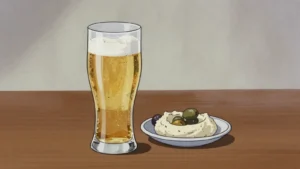
- 1 bottleCoteaux de Mascara red, 13 to 14 per cent abv
- large-bowled stemmed glasses
- a decanter
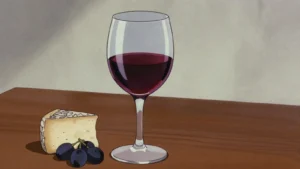
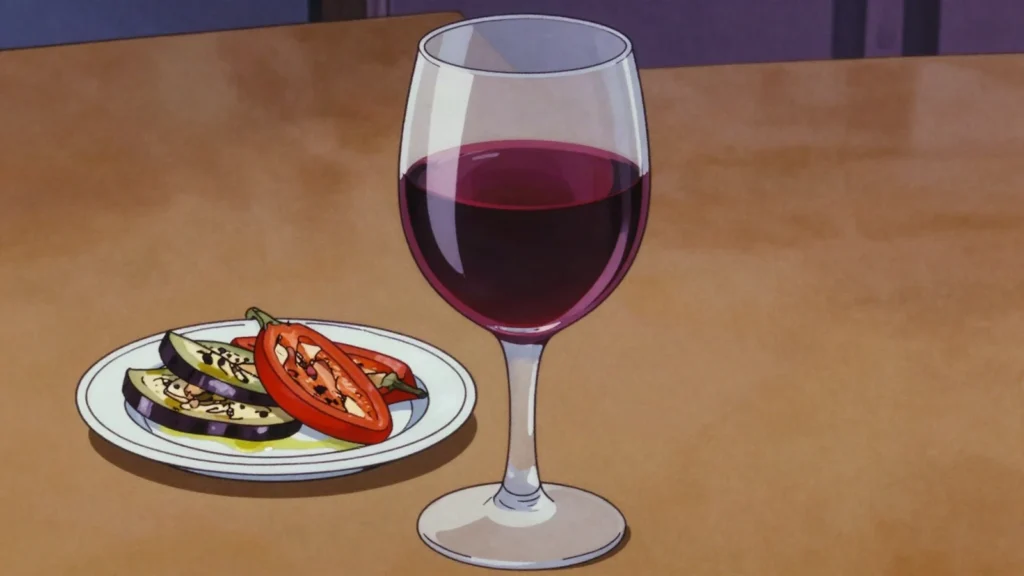
- grilled vegetables, a spiced tagine or aged hard cheese alongside
Directions
- Know the ground first: Mascara sits inland in western Algeria on limestone and clay slopes, and its altitude gives cool nights that keep acidity in grapes ripened by fierce daytime heat. It became one of Algeria’s original Vins d’Appellation d’Origine Garantie in 1970.
- Grapes are picked in late August and September, usually by hand, and brought in quickly because heat degrades fruit fast at these temperatures.
- The bunches are destemmed and lightly crushed into tank, and sulphur dioxide is added in small doses to protect the must from oxidation and wild spoilage organisms.
- Fermentation runs at 25°C (75°F) to 28°C (80°F) for around 7 to 10 days, with the cap of skins punched down or pumped over twice daily to extract colour and tannin; Alicante Bouschet is a rare red-fleshed grape and deepens the colour further.
- The wine is pressed off its skins, finishes malolactic fermentation to soften the sharp malic acid into rounder lactic acid, then settles.
- It is fined with bentonite clay and racked off its lees, then matured for 12 to 18 months, historically in large old oak foudres that add structure rather than obvious oak flavour.
- The wine is blended, lightly filtered and bottled at 13 to 14 per cent, and is built to drink from three to about ten years old.
- To serve it, stand the bottle upright for a day, open it an hour ahead and decant older bottles off any sediment.
- Pour at 16°C (60°F) to 18°C (65°F), cooler than a warm room, into large glasses; the wine shows dark plum, dried fig, black pepper and a dusty, sun-warmed herb note, with firm tannin that wants food.
Technique
- This is a commercial winemaking process. There is no honest home version, and the notes above describe how the wine is actually produced and served rather than pretending it can be made in a kitchen.
- Algeria was once among the world’s largest wine exporters, and much of its Carignan went into blending vats in France. Vineyard area collapsed after independence, but Mascara remains the best-known name.
- Serving temperature is the single thing most people get wrong. Above 20°C (70°F) the alcohol dominates and the fruit flattens; 30 minutes in the fridge before pouring fixes it.
- Wines are not always fined with plant or mineral agents; bentonite clay, used here, is a mineral fining agent, so check the label or ask the producer if that matters to you.
Substitutions
- If you cannot find a Mascara bottling, other Algerian appellations such as Coteaux de Tlemcen or Medea are close cousins, and a southern French Carignan-Cinsault blend from Languedoc is the nearest widely available match.
Variations
- Mascara also produces a rose, made by bleeding juice off the skins after a few hours, drunk very cold.
- A white from Ugni Blanc and Clairette is grown on the same hills.
- The Chateau Romain and Coteaux de Mascara labels are the ones most often exported.
History
Algeria was among the world’s largest wine exporters before independence in 1962, its dark Mascara and Medea reds shipped north to strengthen weaker French wines.
Frequently asked questions
What is Mascara wine?
Mascara wine is a wine & spirit from Algeria: deep, robust red from the Mascara highlands, Algeria’s best-known appellation. Algeria was among the world’s largest wine exporters before independence in 1962, its dark Mascara and Medea reds shipped north to strengthen weaker French wines.
How long does Mascara wine take to make?
Mascara wine takes 10 min to decant and serve of preparation and About 10 days fermenting, then 12 to 18 months ageing of cooking. The recipe makes 1 bottle serves 4 to 6 glasses; production notes describe a 100-hectolitre lot. It is rated hard to make.
What can I substitute in Mascara wine?
Yes, within limits. If you cannot find a Mascara bottling, other Algerian appellations such as Coteaux de Tlemcen or Medea are close cousins, and a southern French Carignan-Cinsault blend from Languedoc is the nearest widely available match.
What is the most important thing to get right in Mascara wine?
The bunches are destemmed and lightly crushed into tank, and sulphur dioxide is added in small doses to protect the must from oxidation and wild spoilage organisms.