
A hard, salty, straw-coloured cheese from Livno in western Bosnia, made from mixed sheep and cow milk and matured until a natural rind forms. It dates from the 1880s, when Austro-Hungarian administrators brought Alpine cheesemaking into Bosnia.
It is a pressed, rind-matured cheese that needs a cellar held at a steady low temperature and humidity for months, and it is a protected regional name made from the milk of specific highland flocks.
What goes into it
- sheep’s milk
- cow’s milk
- rennet
- salt
How it is made
The mixed milk is warmed, set with rennet, and the curd cut small and scalded before being pressed hard into wheels. The wheels are salted, then held in a cool cellar for months while they are turned and rubbed, developing a firm rind and a dry, granular, sharply salty paste.
How long it takes: at least two months, often six or more
How it is eaten
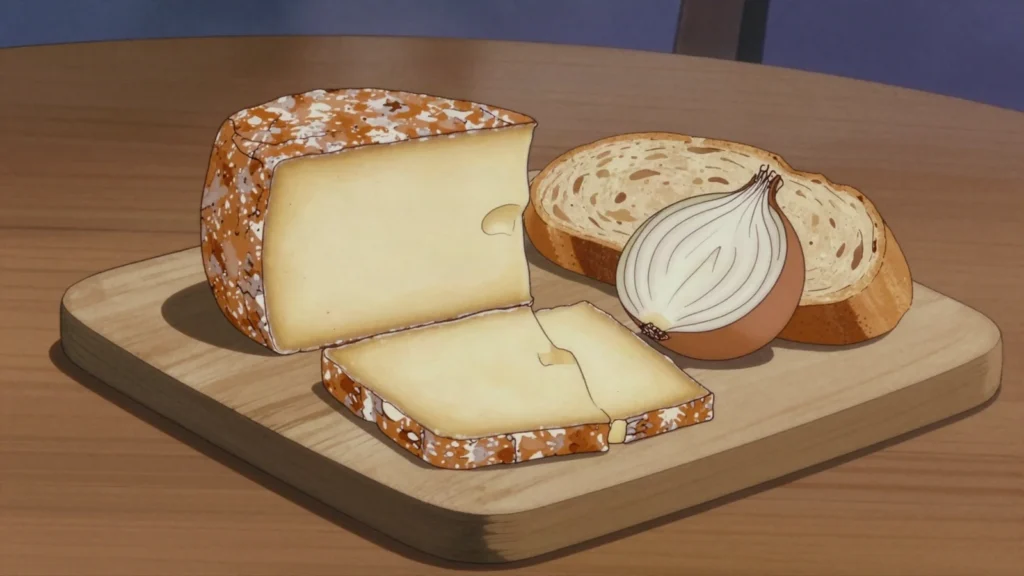
Sliced with bread and onion, grated over pasta and pies, or served on a meze board with pršut.
History
Developed at Livno in the 1880s, when Austro-Hungarian administrators brought Alpine cheesemaking methods to Bosnia; made from mixed sheep and cow milk.
Frequently asked questions
What is Livanjski sir?
Livanjski sir is a cheese & dairy from Bosnia and Herzegovina: hard, salty cheese from Livno, matured in its own rind. Developed at Livno in the 1880s, when Austro-Hungarian administrators brought Alpine cheesemaking methods to Bosnia; made from mixed sheep and cow milk.
How is Livanjski sir made?
The mixed milk is warmed, set with rennet, and the curd cut small and scalded before being pressed hard into wheels. The wheels are salted, then held in a cool cellar for months while they are turned and rubbed, developing a firm rind and a dry, granular, sharply salty paste. It takes at least two months, often six or more.
Can I make Livanjski sir at home?
No, and the atlas gives no method for it. It is a pressed, rind-matured cheese that needs a cellar held at a steady low temperature and humidity for months, and it is a protected regional name made from the milk of specific highland flocks.
What goes into Livanjski sir?
Sheep’s milk, cow’s milk, rennet, salt.
How is Livanjski sir eaten?
Sliced with bread and onion, grated over pasta and pies, or served on a meze board with pršut.