
Ingredients
Rice
- 500 gglutinous rice
- water, for soaking
Starter
- 2balls look pang khao mak (Thai rice-wine starter), about 8 g, crushed to powder
Equipment
- a steamer lined with cloth
- a wide glass or ceramic dish
- banana leaf or clingfilm, to cover
Directions
- Soak the glutinous rice for at least six hours or overnight, then drain.
- Steam it over boiling water for 30 to 40 minutes until each grain is translucent and tender but still separate.
- Tip the rice out and rinse it under cold running water, working it with your hands until the water runs clear and the grains no longer stick together.
- That rinse is essential and it surprises people. It washes off the loose surface starch and cools the rice, and without it the batch turns to a solid gluey block instead of loose grains in syrup.
- Drain it thoroughly and spread it out until it is completely cool and no longer wet. Warm rice kills the starter organisms; wet rice sours instead of sweetening.
- Crush the starter balls to a fine powder and dust roughly two-thirds of it through the rice, mixing with clean hands.
- Pack the rice loosely into the dish, level the top, and dust the rest of the starter over the surface.
- Cover with banana leaf or clingfilm and leave at warm room temperature, 28 to 32°C (82 to 90°F), for two to three days without disturbing it.
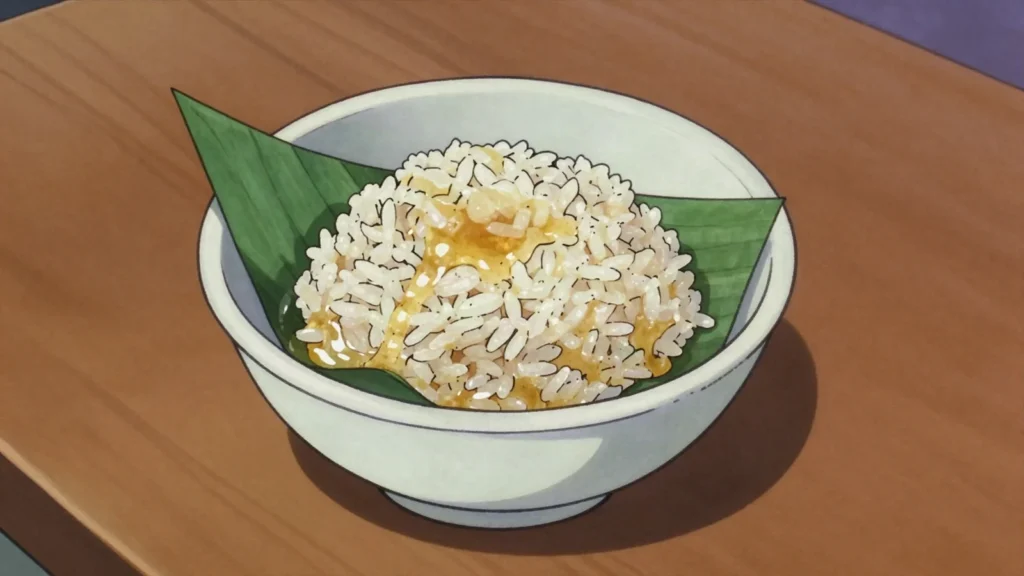
- Sweet liquid will collect in the bottom. It is ready when the rice is soft and sweet with a clear alcoholic smell and a good pool of syrup — taste from day two, because past three days it goes from sweet to sour and boozy.
- Refrigerate to stop it there. Eat cold by the spoon, syrup and all, or with coconut milk and ice.
Technique
- Rinse the steamed rice and cool it completely. The two commonest failures both start here.
- Clean hands and clean vessel throughout. This is an open ferment with no salt to protect it.
- Taste from day two and refrigerate the moment it is right.
Substitutions
- Chinese jiuqu starter, which behaves the same way.
- Black glutinous rice, which gives a purple khao mak.
- Spooned over ice with coconut milk as a dessert.
Variations
- The Chinese jiuniang, Indonesian tapai ketan and Filipino binubudan are the same ferment.
- Left longer and strained, the liquid is drunk as a young rice wine.
History
Made with a starter cake of yeast and mould; a Thai temple-fair sweet related to Chinese jiuniang.
Frequently asked questions
What is Khao Mak?
Khao Mak is a fermented & pickled from Thailand: sweet fermented glutinous rice, boozy and syrupy, eaten cold by the spoon. Made with a starter cake of yeast and mould; a Thai temple-fair sweet related to Chinese jiuniang.
How long does Khao Mak take to make?
Khao Mak takes 30 min plus 2 to 3 days fermenting of preparation and 40 min of cooking. The recipe makes serves 6. It is rated easy to make.
What can I substitute in Khao Mak?
Yes, within limits. Chinese jiuqu starter, which behaves the same way. Black glutinous rice, which gives a purple khao mak. Spooned over ice with coconut milk as a dessert.
What is the most important thing to get right in Khao Mak?
That rinse is essential and it surprises people. It washes off the loose surface starch and cools the rice, and without it the batch turns to a solid gluey block instead of loose grains in syrup.