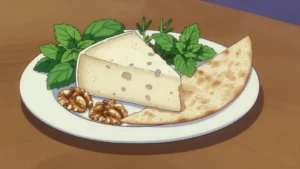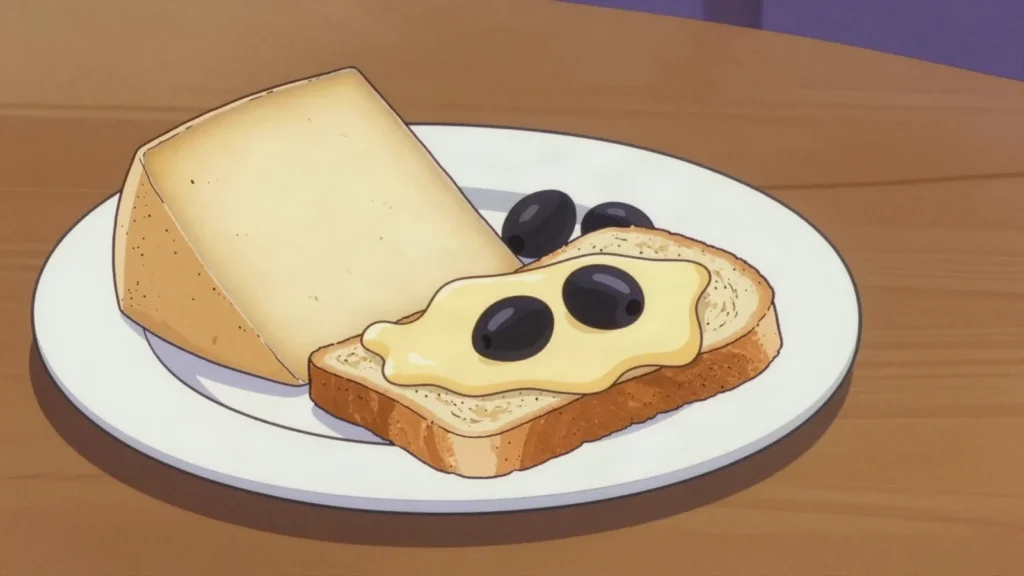

A firm yellow sheep or cow milk cheese, sliced for toast and pastries. It is a pasta filata cheese related to Balkan kashkaval, and the aged Kars version is protected by geographical indication.
The stretch depends on catching the curd inside a pH window of about a tenth of a point — measured, not judged — and the aged version ripens for months in a controlled store.
What goes into it
- sheep’s or cow’s milk
- rennet
- salt
How it is made
The curd is set with rennet and then left to acidify until it reaches the narrow window where it will stretch rather than crumble. It is scalded, kneaded in hot water until elastic, pressed into blocks and brined. Fresh kaşar is eaten within weeks; the aged version ripens for three months to a year.
How long it takes: weeks for fresh, three months to a year for aged
How it is eaten
Sliced on toast, melted over pide, or grated into pastries.
History
A pasta filata cheese related to Balkan kashkaval; the aged Kars version is protected by geographical indication.
Frequently asked questions
What is Kasar?
Kasar is a cheese & dairy from Turkey: firm yellow sheep or cow milk cheese, sliced for toast and pastries. A pasta filata cheese related to Balkan kashkaval; the aged Kars version is protected by geographical indication.
How is Kasar made?
The curd is set with rennet and then left to acidify until it reaches the narrow window where it will stretch rather than crumble. It is scalded, kneaded in hot water until elastic, pressed into blocks and brined. Fresh kaşar is eaten within weeks; the aged version ripens for three months to a year. It takes weeks for fresh, three months to a year for aged.
Can I make Kasar at home?
No, and the atlas gives no method for it. The stretch depends on catching the curd inside a pH window of about a tenth of a point — measured, not judged — and the aged version ripens for months in a controlled store.
What goes into Kasar?
Sheep’s or cow’s milk, rennet, salt.
How is Kasar eaten?
Sliced on toast, melted over pide, or grated into pastries.