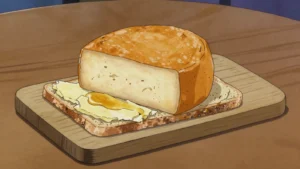

A sharp sheep’s cheese ripened inside a salted sheepskin bag, made by Tush shepherds in Tusheti and matured during the migration down to Kakheti. The bag gives the cheese its name and its character.
The vessel is a cured animal skin, which is the method — it regulates moisture and excludes air in a way no container reproduces — and the cheese ripens for months without refrigeration.
What goes into it
- sheep’s milk
- rennet
- salt
- a cured sheepskin bag
How it is made
Fresh curd is drained, salted and packed tight into a skin bag turned wool-side in, which is then sealed. The cheese ripens inside it for months, with almost no air, while the skin lets moisture out slowly. It comes out crumbly, oily and very sharp. Traditionally the bag travelled with the flock.
How long it takes: three to six months in the bag
How it is eaten
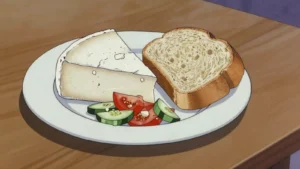
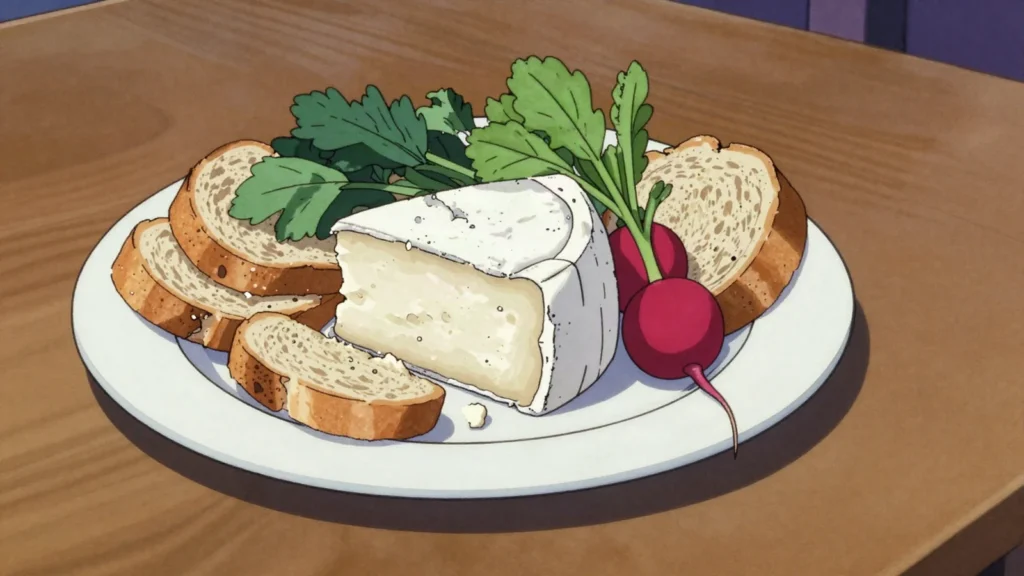
Crumbled with bread and herbs, melted into khinkali fillings, or with chacha.
History
Made by Tush shepherds in Tusheti and matured in a skin called guda during the migration down to Kakheti.
Frequently asked questions
What is Guda?
Guda is a cheese & dairy from Georgia: sharp sheep cheese ripened inside a salted sheepskin bag. Made by Tush shepherds in Tusheti and matured in a skin called guda during the migration down to Kakheti.
How is Guda made?
Fresh curd is drained, salted and packed tight into a skin bag turned wool-side in, which is then sealed. The cheese ripens inside it for months, with almost no air, while the skin lets moisture out slowly. It comes out crumbly, oily and very sharp. Traditionally the bag travelled with the flock. It takes three to six months in the bag.
Can I make Guda at home?
No, and the atlas gives no method for it. The vessel is a cured animal skin, which is the method — it regulates moisture and excludes air in a way no container reproduces — and the cheese ripens for months without refrigeration.
What goes into Guda?
Sheep’s milk, rennet, salt, a cured sheepskin bag.
How is Guda eaten?
Crumbled with bread and herbs, melted into khinkali fillings, or with chacha.